
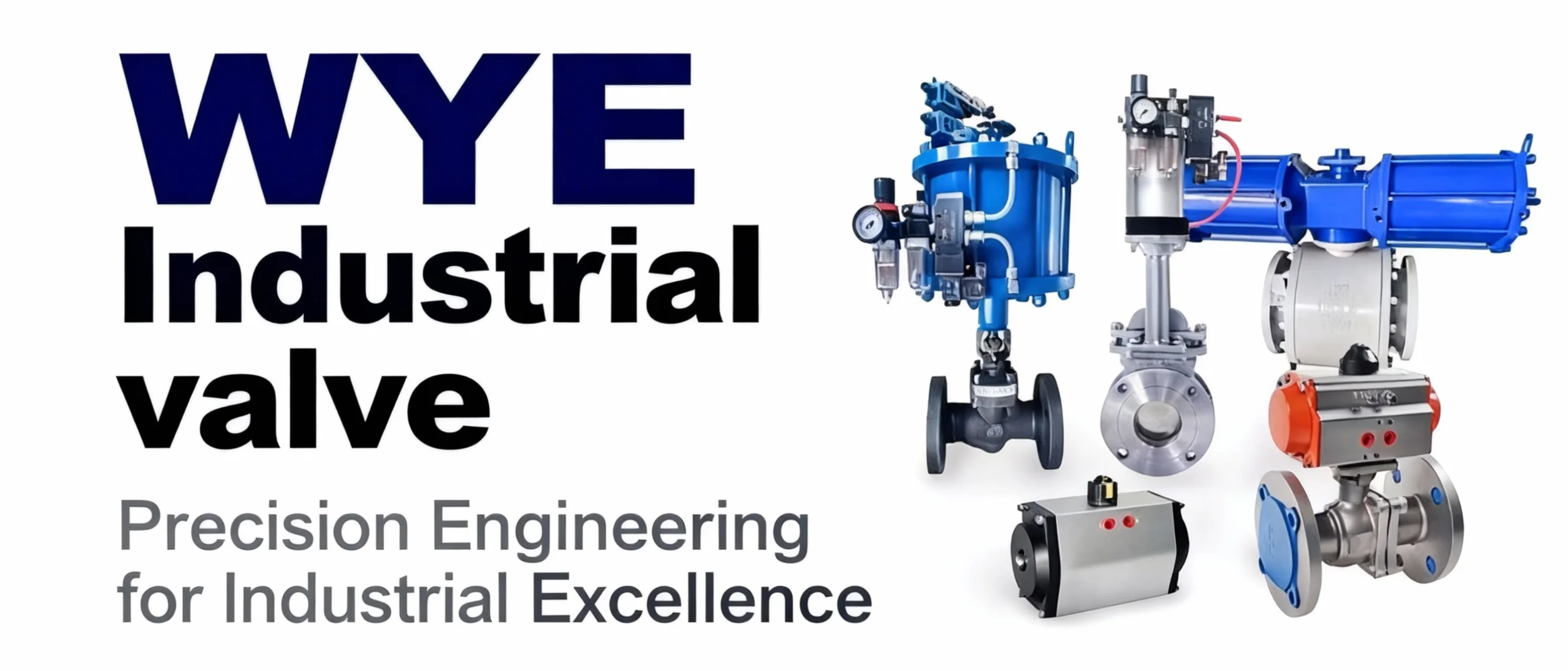
There are 2 distinct types of linear valves: rising stem (multi-turn) and axial. While both valve types rely on the linear motion of the flow obstructer, they are very different in construction and operation.
Multi-turn rising stem valves move the obstructer by the rotation of a threaded rod (stem) which is attached to the obstructer Examples of multi-turn valves are gate valves, globe valves, pinch valves, diaphragm valves, and needle valves. These valve types are commonly used for flow control applications.
Axial valves use pneumatic or electro-magnetic force to slide the obstructer along an axis. Some examples of these are coaxial valves, and angle seat valves. These valves are typically fast acting and only used for on/off process applications.
