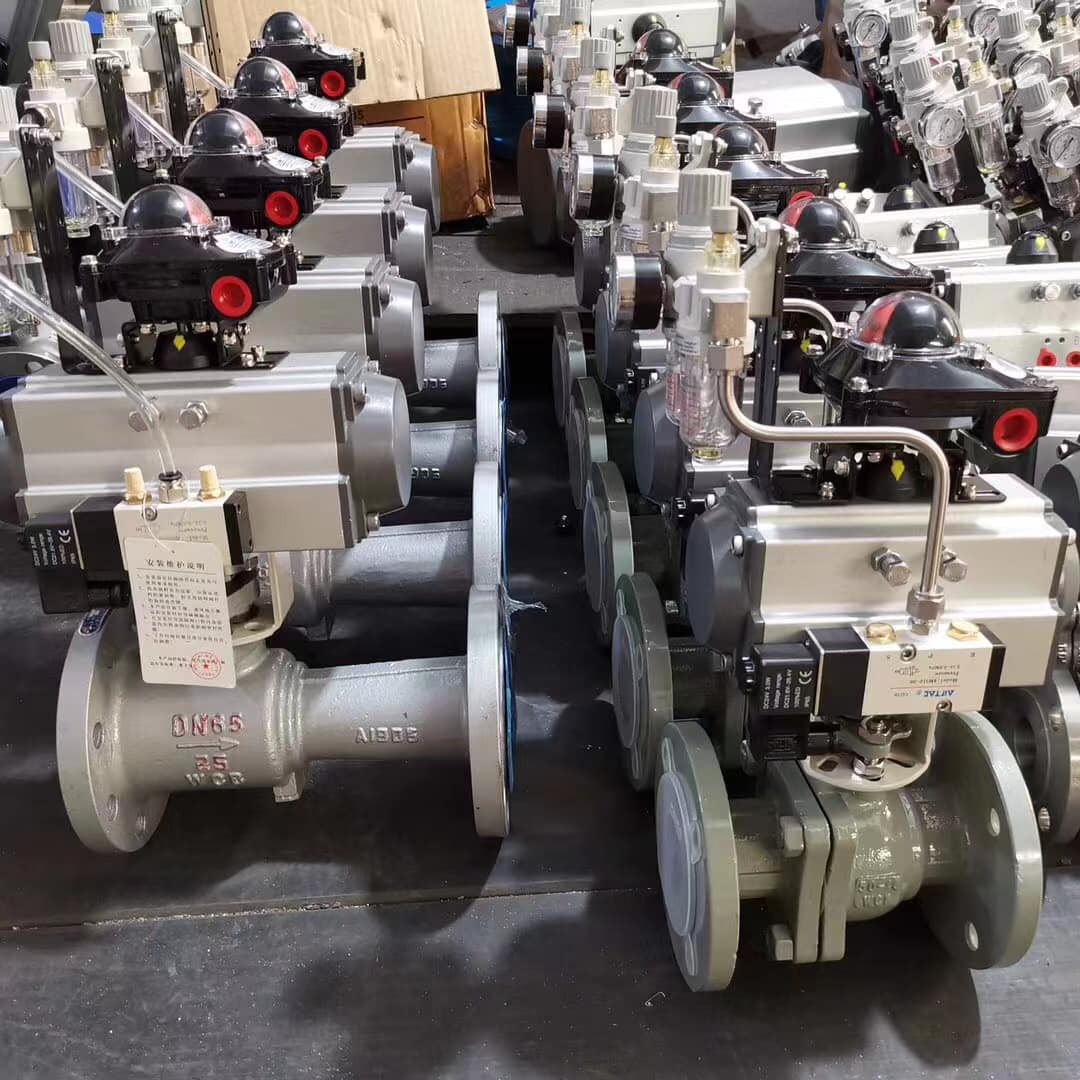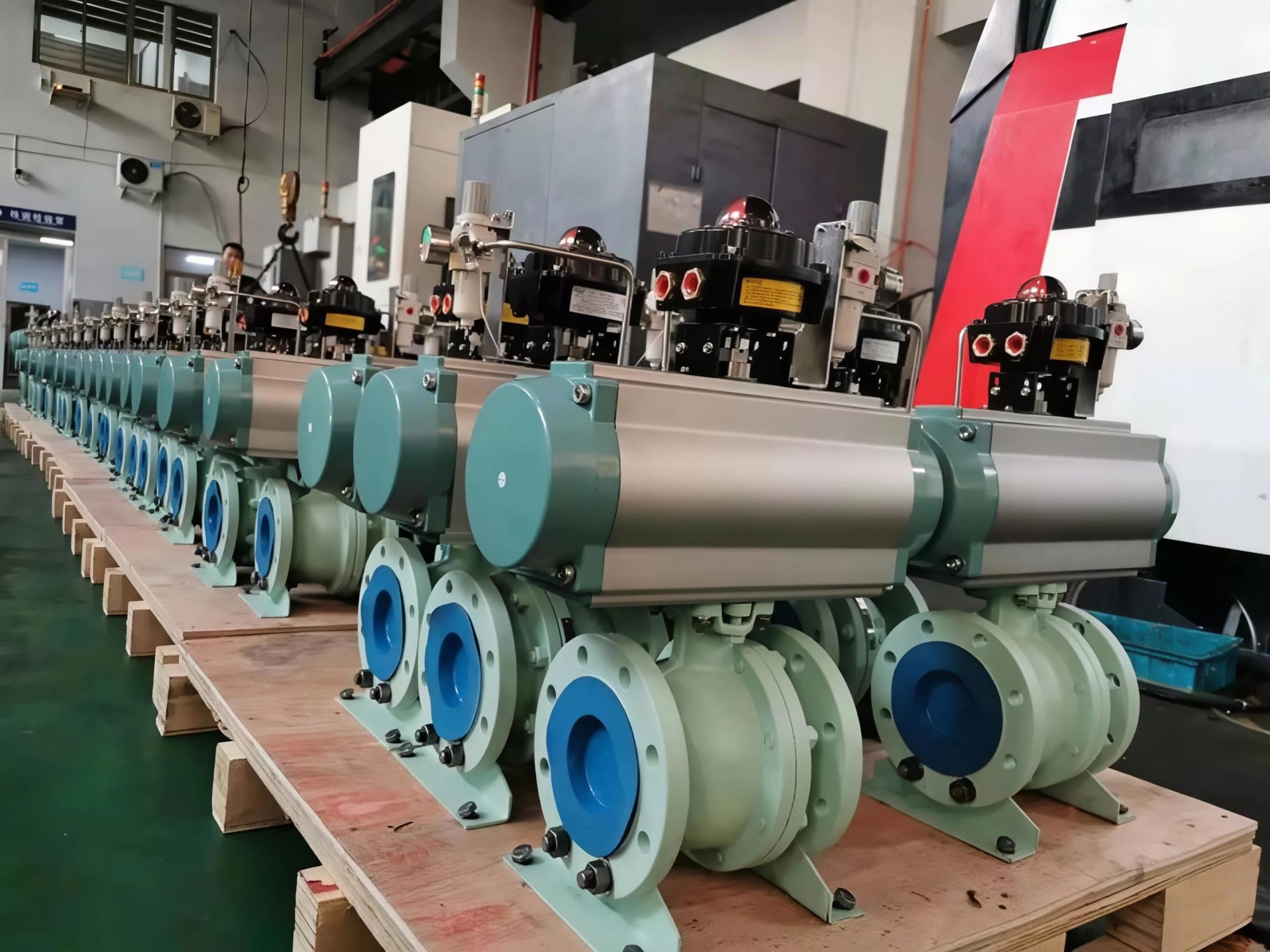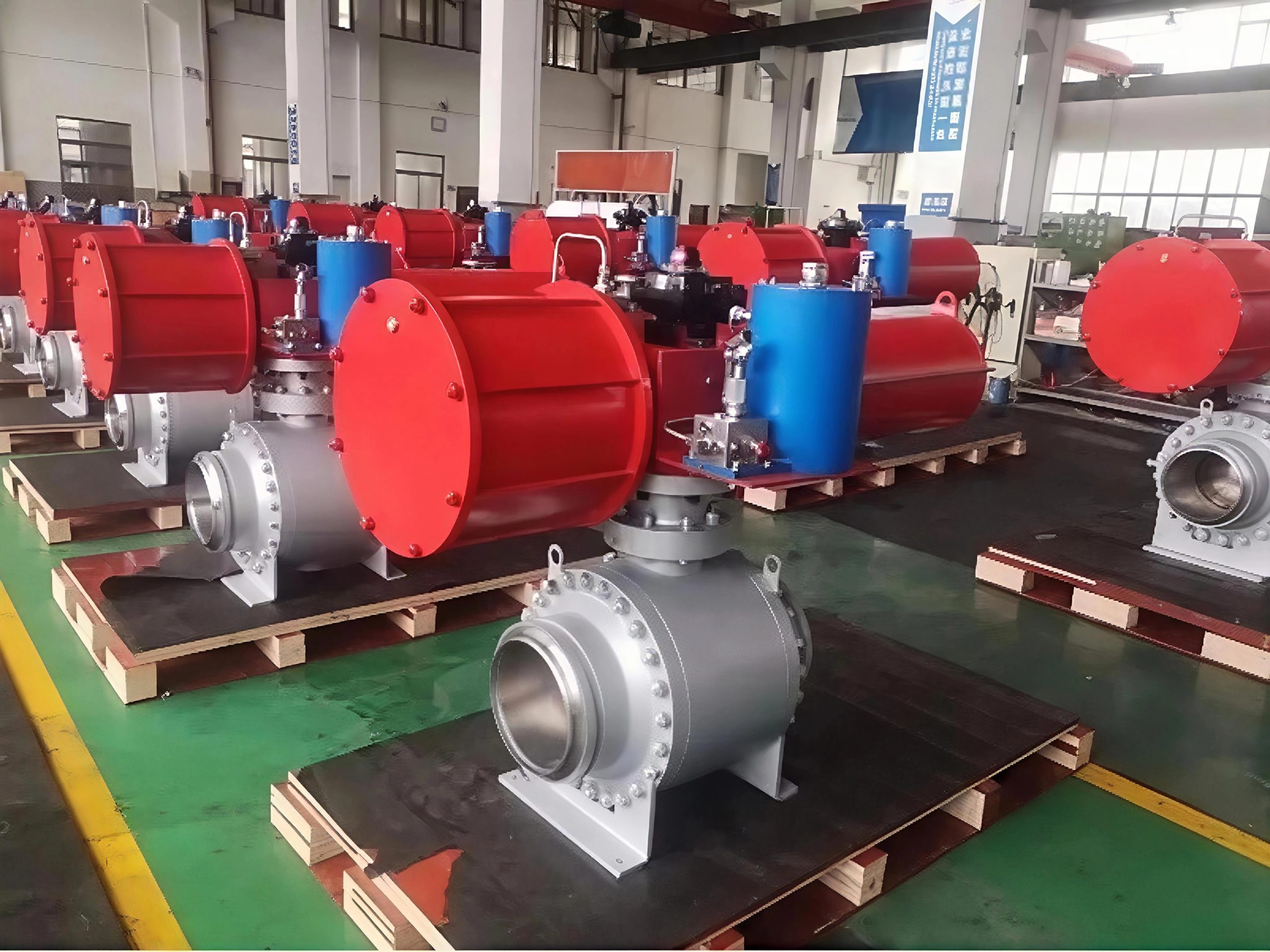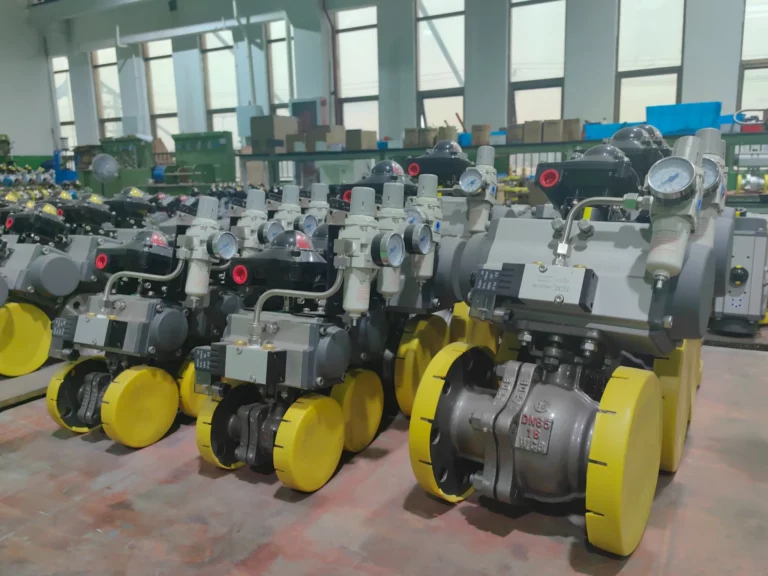
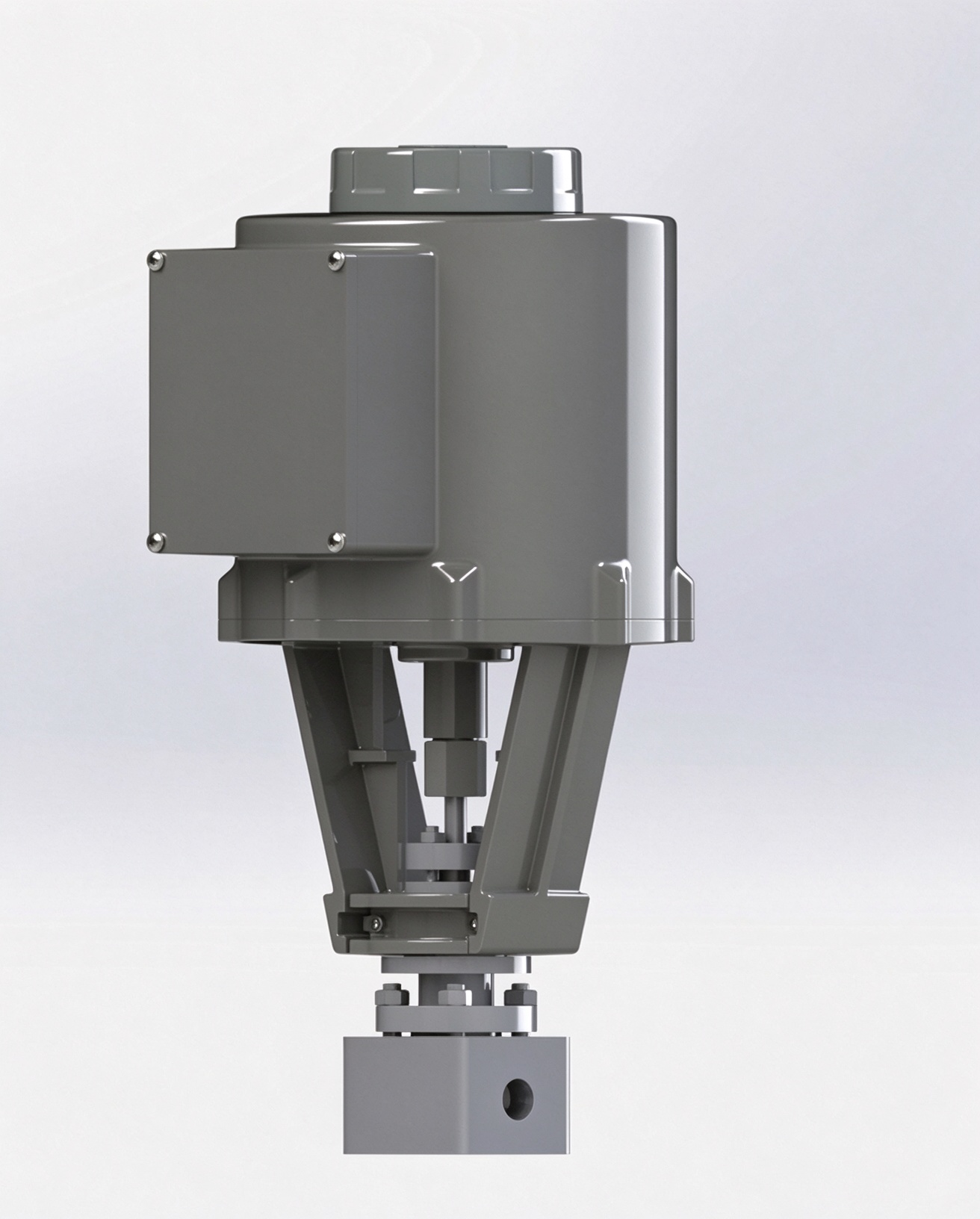
Introduction to Electric High-Pressure Micro-Flow Control Valve
The Electric High-Pressure Micro-Flow Control Valve is designed for various micro-flow, ultra-small-flow, and small-flow applications. It is a new type of flow control valve featuring compact size, lightweight construction, and high precision.
Various small-flow control valves and high-pressure micro-flow needle valves are available with pressure ratings ranging from 10 to 100 MPa. Connection options include ferrule fittings, internal threads, welding, and flanges. Available materials include stainless steel, alloy steel, and duplex stainless steel.
The Electric Micro-Flow Control Valve mainly consists of an intelligent electric actuator and a plunger needle valve. Available power supply options include DC24V, AC220V, AC380V, AC415V, or customized voltages.
Working Principle of Electric High-Pressure Micro-Flow Control Valve
The Electric High-Pressure Micro-Flow Control Valve uses a 4–20 mA control signal to adjust the valve opening, thereby changing the flow area and regulating the flow rate.
An intelligent electric actuator drives the valve stem up and down to control the flow of the medium. The actuator moves the valve plug to adjust the valve opening, enabling precise regulation of the process medium.
Depending on process requirements, the control valve is available in fail-closed and fail-open configurations.
Applications of Electric High-Pressure Micro-Flow Control Valve
The Electric Micro-Flow Control Valve is designed for precise control of small flow rates. This series can be used in laboratory installations, test benches, and specialized process control applications, including quantitative feeding, injection, and overflow control.
When equipped with an intelligent electro-pneumatic converter, the Electric Micro-Flow Control Valve can receive a DC 4–20 mA control signal from a flowmeter, DCS, or PLC. The signal is converted to a standard control pressure of 3–15 PSI (20–100 kPa) to achieve precise control of the medium flow rate and valve opening.
The Electric High-Pressure Micro-Flow Control Valve can also be used in SCR/SNCR flue gas denitrification systems. The typical operating media are 20% ammonia solution or urea solution.
Through control signals from the upper-level control system, the valve precisely regulates the injection volume of ammonia solution or urea solution, improving flue gas denitrification efficiency and meeting environmental protection requirements.
Installation and Maintenance of Electric Micro-Flow Control Valve
1. Operating Environment
(1) Temperature: -30°C to +60°C;
(2) Relative Humidity: 5%–100%;
(3) Dust-free environment (dust protection measures should be taken).
2. Air Supply Requirements
(1) The air supply must be free from obvious oil vapor and other liquids;
(2) The air supply must be free from obvious corrosive gases, steam, and solvents;
(3) For control valves equipped with positioners, the solid particle content in the air supply must be less than 0.1 g/m³, particle diameter must be less than 60 μm, and oil content must be less than 10 mg/m³.
3. The allowable leakage must meet process requirements.
4. When the valve is closed, the maximum pressure differential must be lower than the allowable pressure differential of the valve; otherwise, the valve may not close tightly.
5. Select the correct flow direction (generally flow-to-open).
6. To prevent damage caused by high-velocity flow at small valve openings, avoid operating the valve at small openings whenever possible.
7. The valve must not be used with contaminated media.
Ordering Information
When ordering an Electric Micro-Flow Control Valve, please provide the following information:
-
Control valve name and model;
-
Nominal diameter (mm);
-
Nominal pressure (MPa);
-
Rated flow coefficient (Kv);
-
Inherent flow characteristic;
-
Medium name, upstream and downstream pressure, temperature, flow rate, etc.;
-
Valve operating mode (electric-to-open, electric-to-close) and input signal;
-
Materials of the valve body, internal components, and packing;
-
Accessories (operator, servo amplifier, etc.).