Functions and Applications
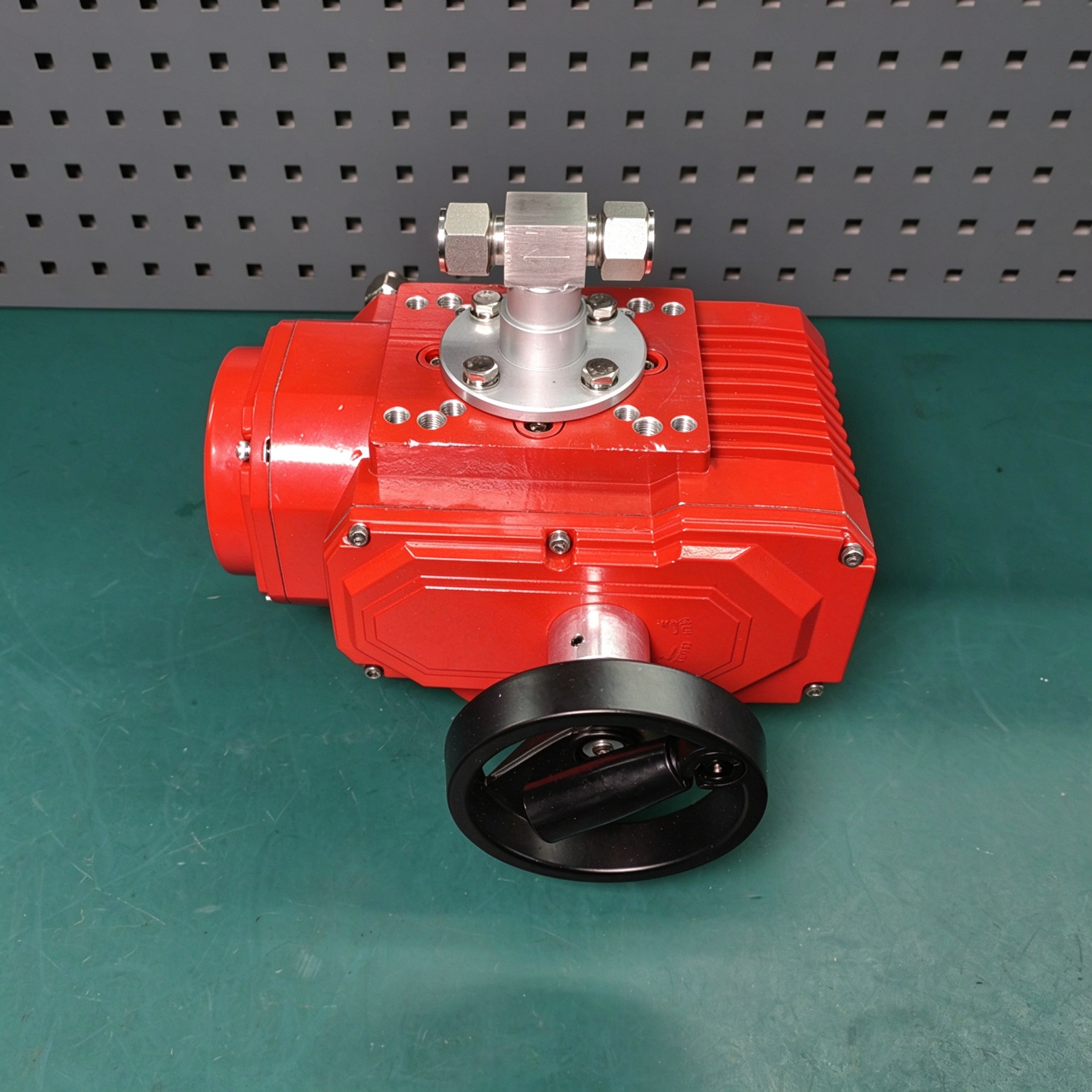
The electric high-pressure needle control valve plays an important role in high-pressure reverse osmosis (RO) membrane systems. It is primarily installed at the concentrate discharge outlet of high-pressure RO systems.
Its main functions include:
1. Pressure Regulation: By controlling the valve opening through an electric concentrate flow control valve, the pressure at the concentrate discharge outlet can be reduced to 0.1–0.3 MPa.
2. Flow Control: Regulates the concentrate discharge flow while maintaining stable inlet pressure, ensuring the operating pressure required for water separation through the RO membranes. This helps achieve a water recovery rate of 80–90% or higher.
3. Concentrate Management: Facilitates the collection and subsequent treatment of concentrated wastewater.
Technical Specifications
| Parameter | Specification |
|---|---|
| Model | TJ911F-100P |
| Nominal Size | DN10–DN50 (NPT 3/8″–2″) |
| Pressure Rating | PN100–PN320 (HG/T 20592-2009); ANSI Class |
| Control Type | Electric modulating type: 4–20 mA; Electric on/off type: AC 220V |
| Valve Body Material | SUS316L Stainless Steel |
| Connection Type | NPT or G Female Thread |
| Flow Characteristics | Equal Percentage, Linear |
| Inherent Rangeability | 50:1–100:1 |
| Power Supply | AC 220V, 50Hz |
| Signal Output | 4–20 mA; Open/Close Position Feedback via 2 × SPDT Dry Contacts |