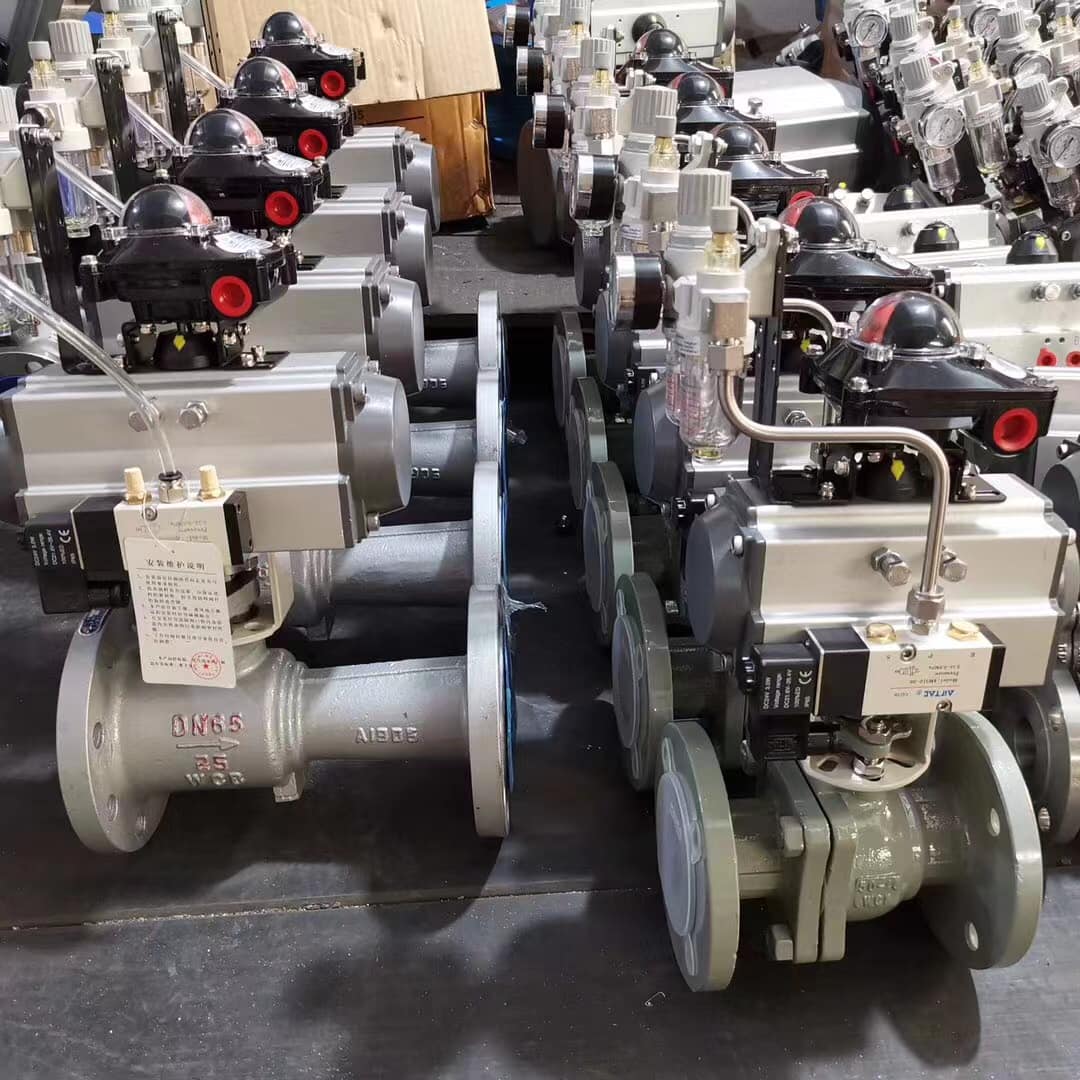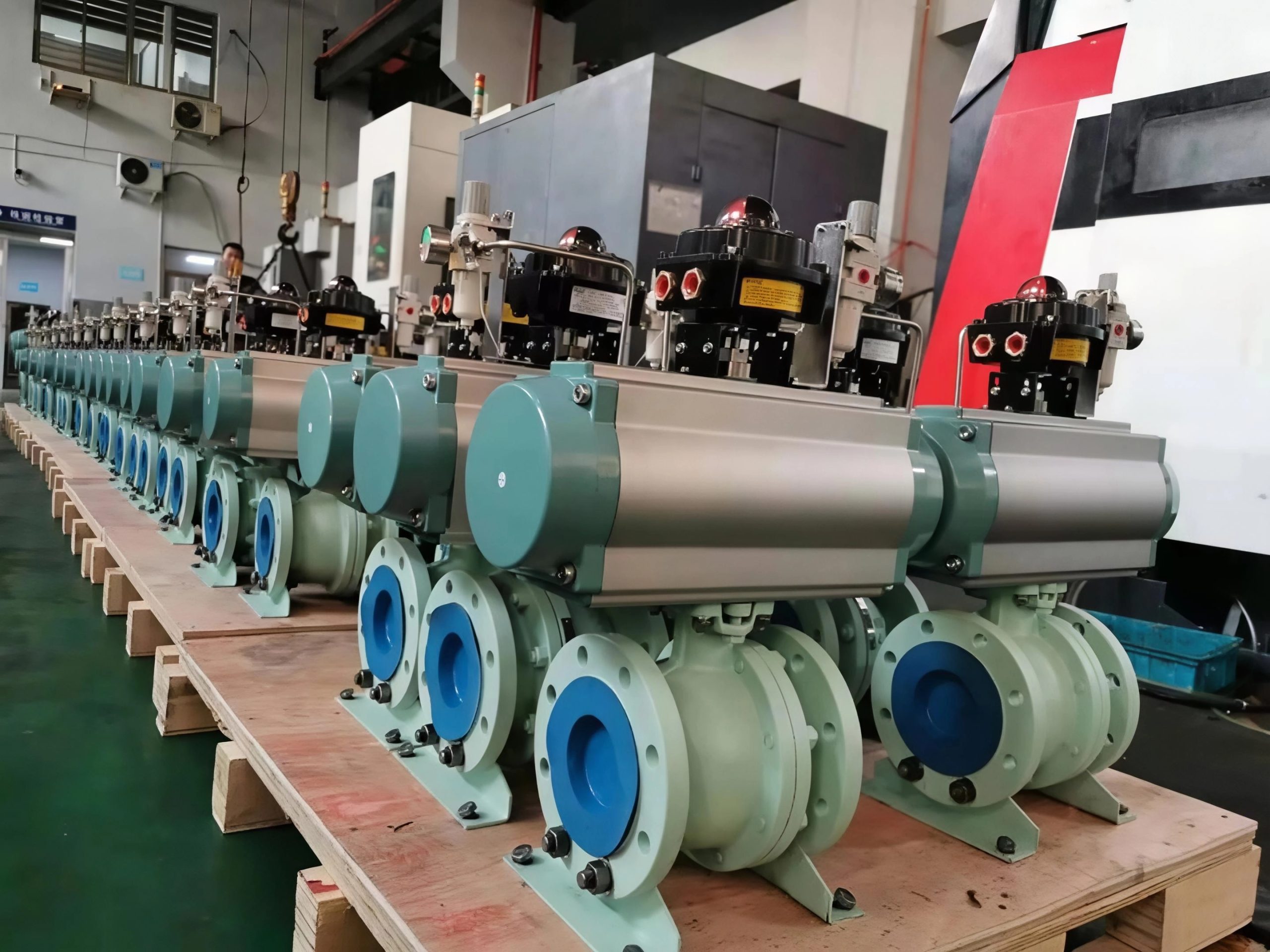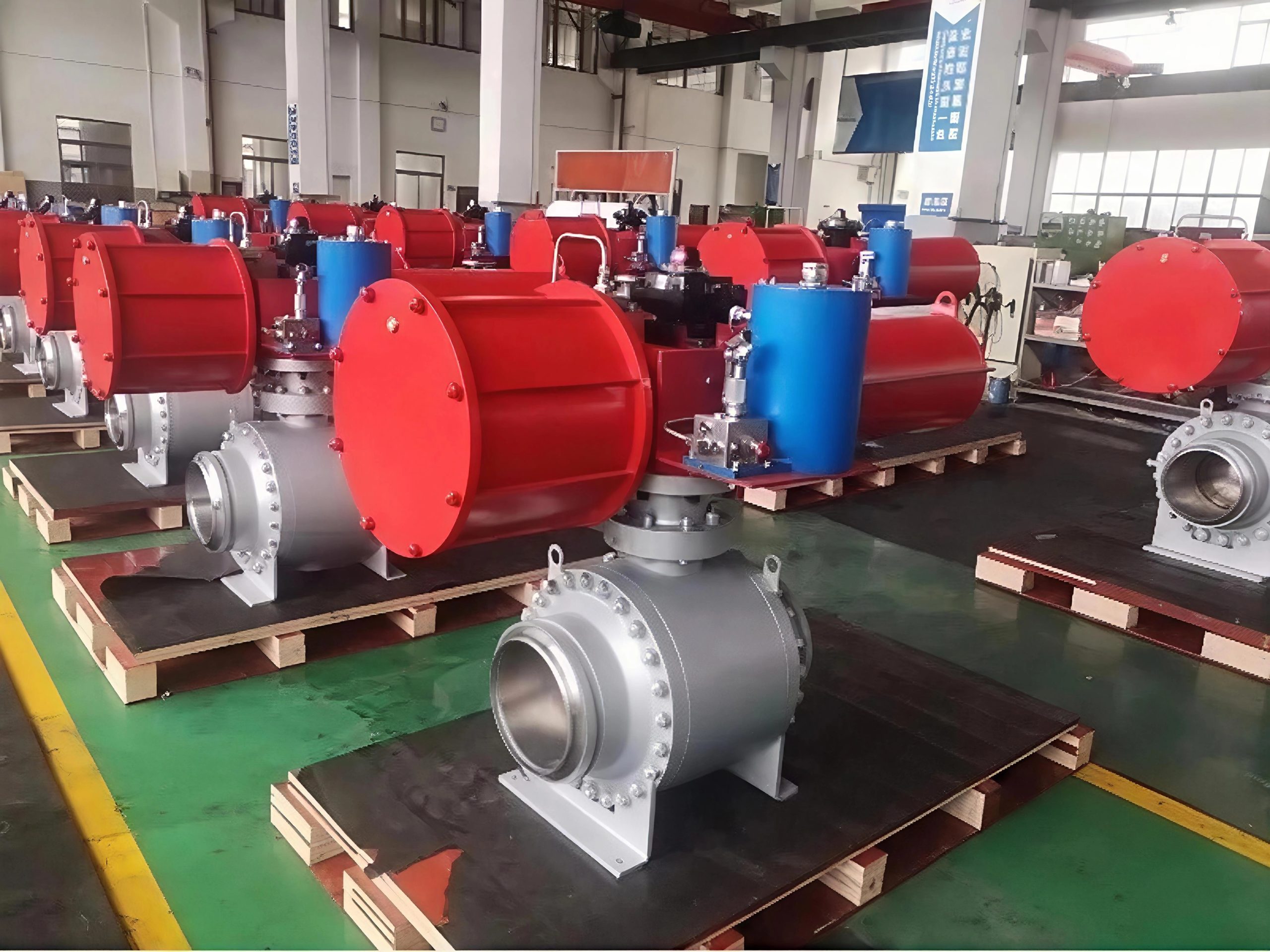
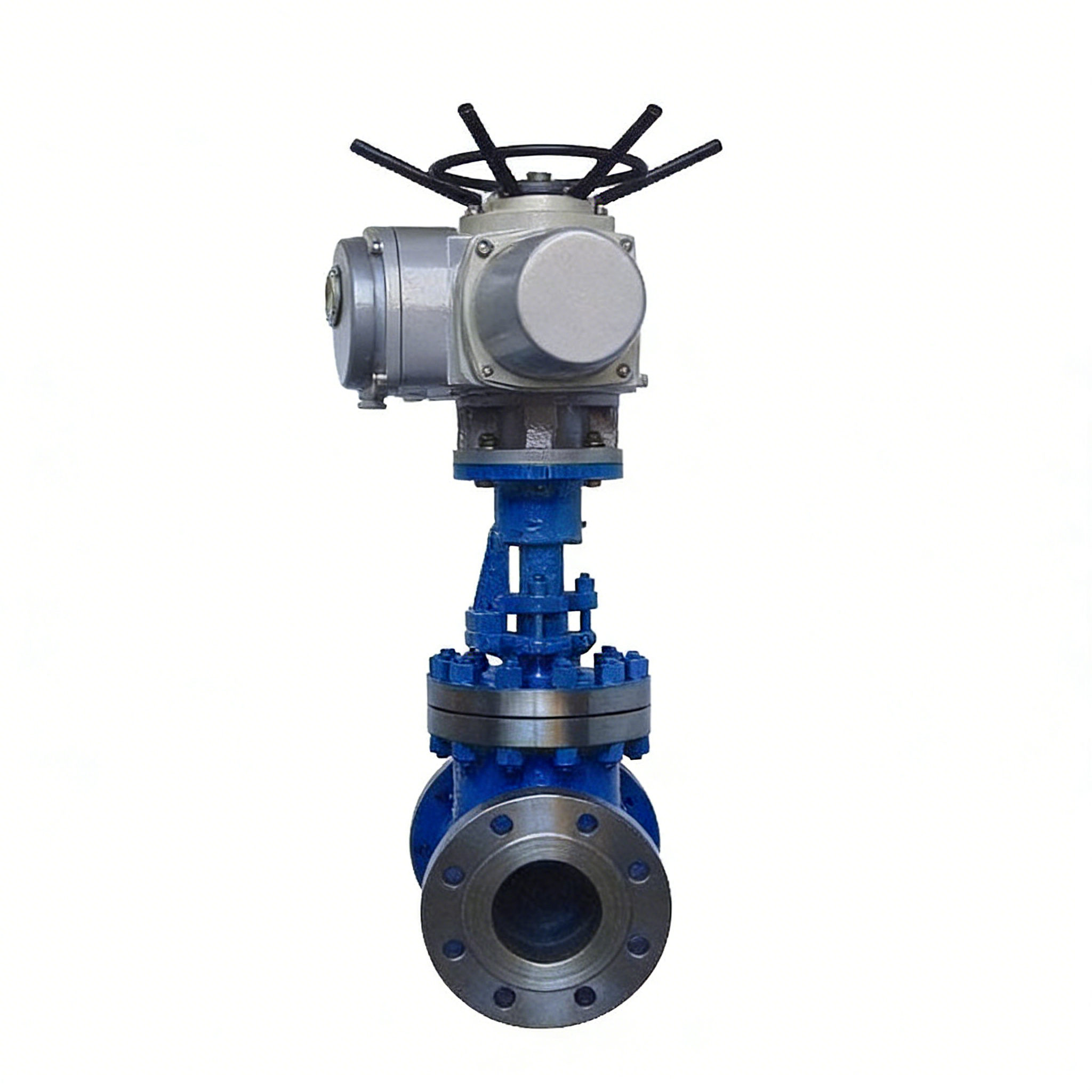

Ⅰ. Product Introduction
The closing element of a flange gate valve is a gate plate, whose movement direction is perpendicular to the fluid direction. A gate valve can only be fully open or fully closed and cannot be used for regulation or throttling. The gate plate has two sealing surfaces. For the most commonly used wedge gate valve, the two sealing surfaces form a wedge shape, and the wedge angle varies with valve parameters. The gate plate of a wedge gate valve can be made as a whole, which is called a rigid gate plate; it can also be made as a gate plate that can produce micro-deformation to improve its processability and compensate for the deviation of the sealing surface angle during processing, and this kind of gate plate is called an elastic gate plate. A flange gate valve is a gate valve with a flange connection method, which is the most common connection method. Flange gate valves are stable and reliable when used in pipelines, so they are often used in high-pressure pipelines.
The closing element of a flange gate valve is a gate plate, whose movement direction is perpendicular to the fluid direction. A gate valve can only be fully open or fully closed and cannot be used for regulation or throttling. The gate plate has two sealing surfaces. For the most commonly used wedge gate valve, the two sealing surfaces form a wedge shape, and the wedge angle varies with valve parameters. The gate plate of a wedge gate valve can be made as a whole, which is called a rigid gate plate; it can also be made as a gate plate that can produce micro-deformation to improve its processability and compensate for the deviation of the sealing surface angle during processing, and this kind of gate plate is called an elastic gate plate.
Types of gate valves can be divided into wedge gate valves and parallel gate valves according to the configuration of sealing surfaces. This type of valve should generally be installed horizontally in the pipeline.
When the gate valve is closed, the sealing surface can be sealed only by the medium pressure, that is, relying on the medium pressure to press the sealing surface of the gate plate against the valve seat on the other side to ensure the sealing of the sealing surface; this is self-sealing. Most gate valves adopt forced sealing, that is, when the valve is closed, external force is required to force the gate plate to press against the valve seat to ensure the sealing of the sealing surface.
The gate plate of the gate valve moves linearly together with the valve stem, which is called a rising stem gate valve (also known as an outside screw and yoke gate valve). Usually, there is a trapezoidal thread on the rising stem. Through the nut at the top of the valve and the guide groove on the valve body, the rotary motion is converted into linear motion, that is, the operating torque is converted into operating thrust.
Ⅱ. Product Features
-
Reliable Sealing Performance: Adopts wedge-shaped sealing structure (rigid or elastic gate plate optional), which can effectively compensate for processing deviations and ensure tight sealing even under high-pressure conditions.
-
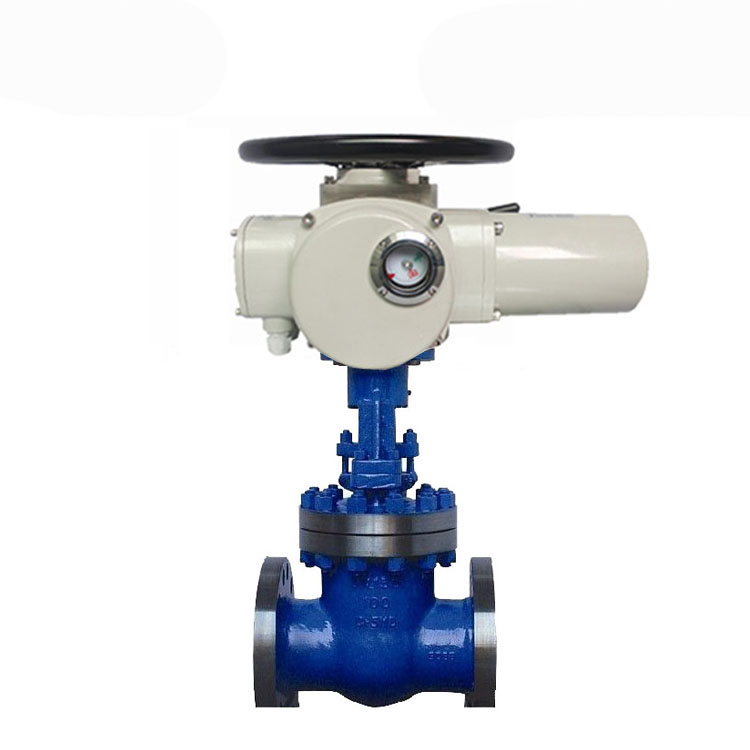
Stable Operation: The electric multi-turn actuator realizes precise control of the gate plate’s lifting, with smooth operation and low noise during opening and closing.
-
Durable Material: The valve body is made of high-quality cast iron, which has excellent corrosion resistance, wear resistance and pressure-bearing capacity, suitable for various harsh working conditions.
-
Simple Structure & Easy Maintenance: The overall structure is compact and reasonable, with fewer wearing parts; the flange connection method facilitates disassembly and maintenance, reducing maintenance costs and downtime.
-
Wide Application Range: Suitable for fully opening and closing operations in high-pressure pipelines, and can be used to transport various media such as water, oil, gas and other non-corrosive or weakly corrosive fluids.
-
Horizontal Installation Design: Conforms to the general installation requirements of pipelines, ensuring stable operation and extending the service life of the valve.
Ⅲ. Technical Data
|
Item
|
Specification
|
|---|---|
|
Valve Type
|
Electric Multi-Turn Cast Iron Flange Gate Valve
|
|
Material of Valve Body
|
Cast Iron (HT200, HT250, etc.)
|
|
Material of Gate Plate
|
Ductile Iron, Stainless Steel (optional)
|
|
Sealing Surface Material
|
PTFE, Rubber, Stainless Steel (optional)
|
|
Connection Method
|
Flange (GB, ANSI, DIN, JIS standard optional)
|
|
Nominal Pressure (PN)
|
PN10, PN16, PN25, PN40
|
|
Nominal Diameter (DN)
|
DN50 – DN600 (customizable according to requirements)
|
|
Operating Temperature Range
|
-20℃ – 120℃ (varies with sealing material)
|
|
Actuator Type
|
Electric Multi-Turn Actuator
|
|
Power Supply of Actuator
|
AC220V, AC380V (customizable)
|
|
Control Signal
|
4-20mA DC (optional)
|
|
Sealing Type
|
Self-sealing, Forced Sealing (optional)
|
|
Installation Method
|
Horizontal Installation
|
|
Applicable Medium
|
Water, Oil, Gas, and other non-corrosive or weakly corrosive fluids
|
Ⅳ.The main shape and connection size
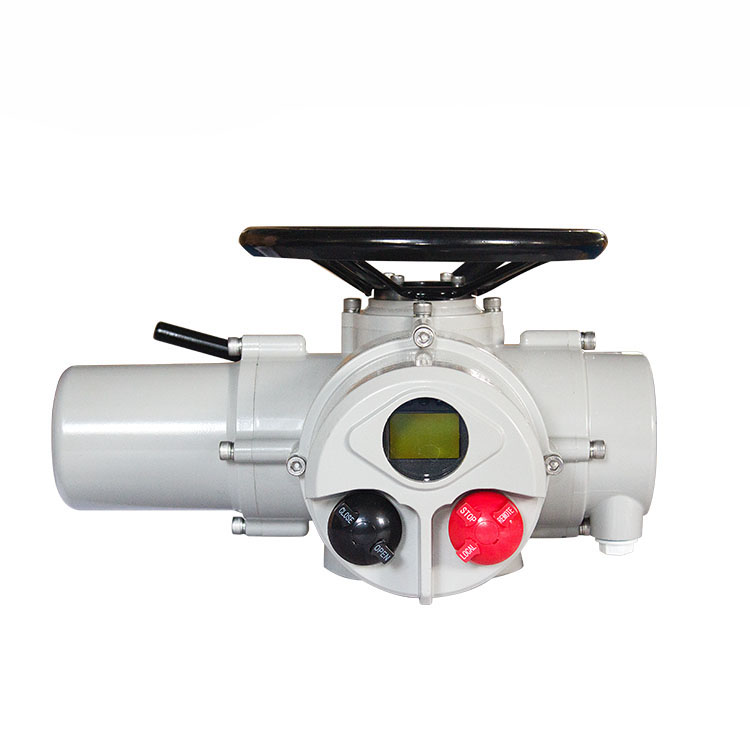
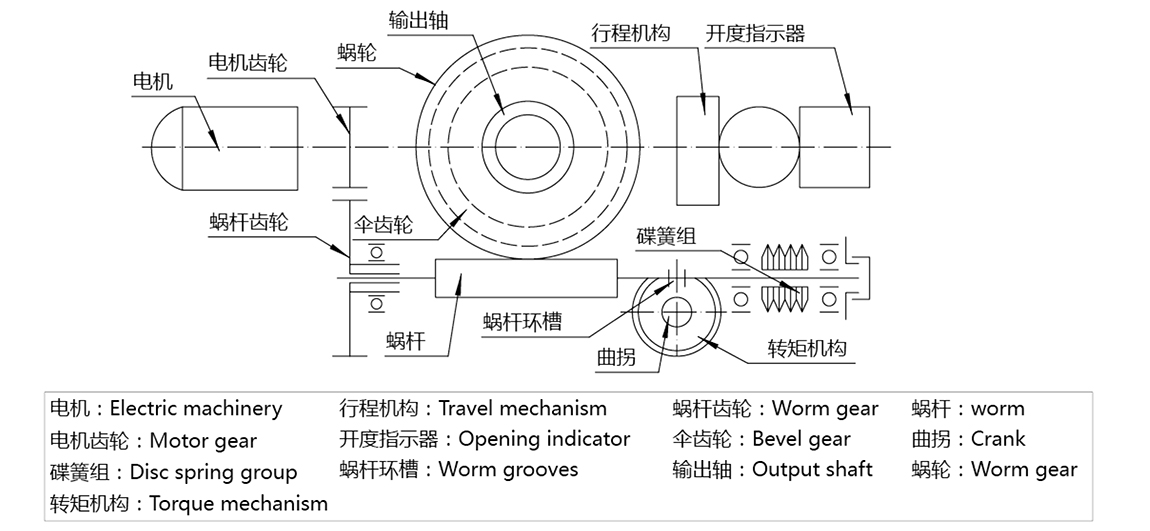
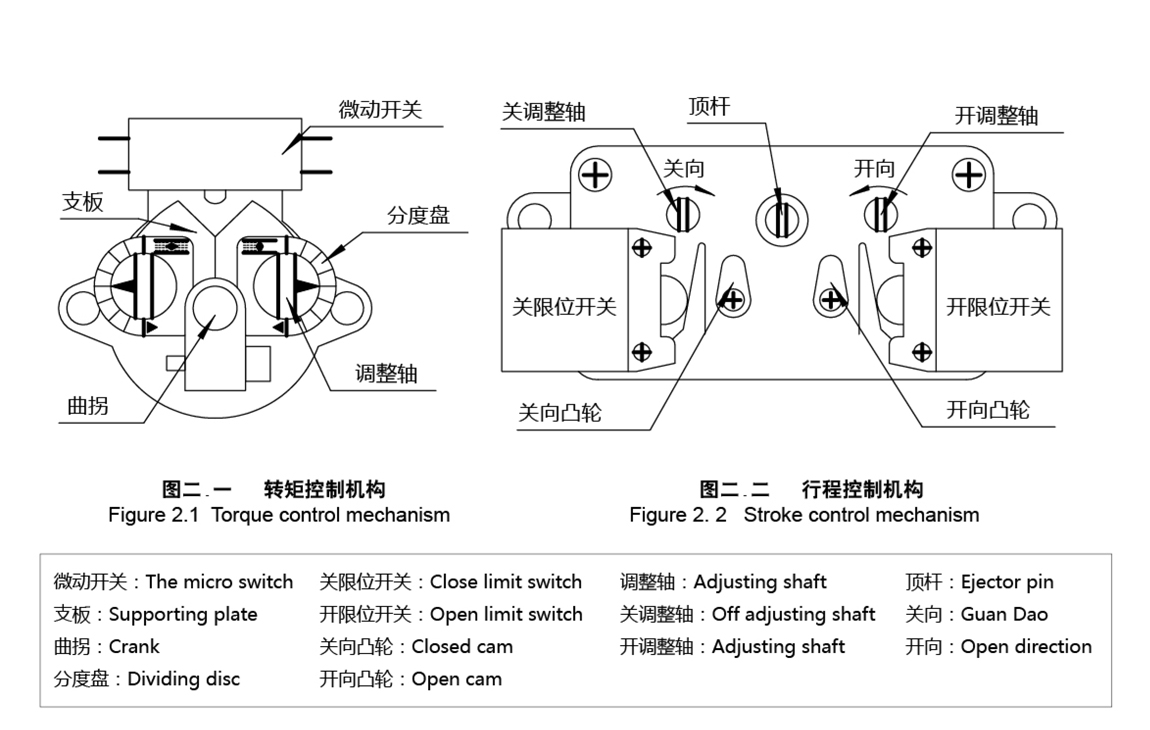
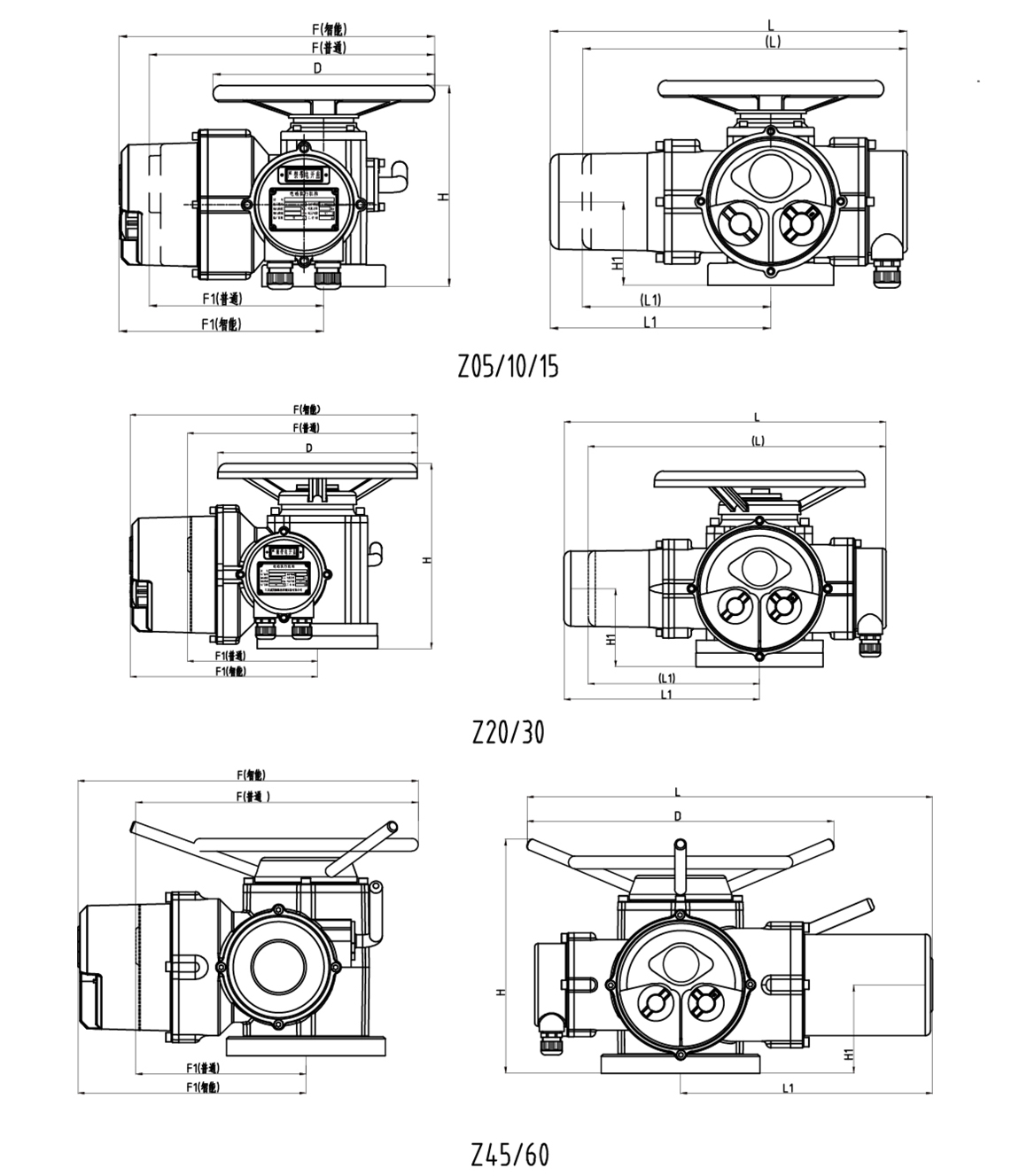
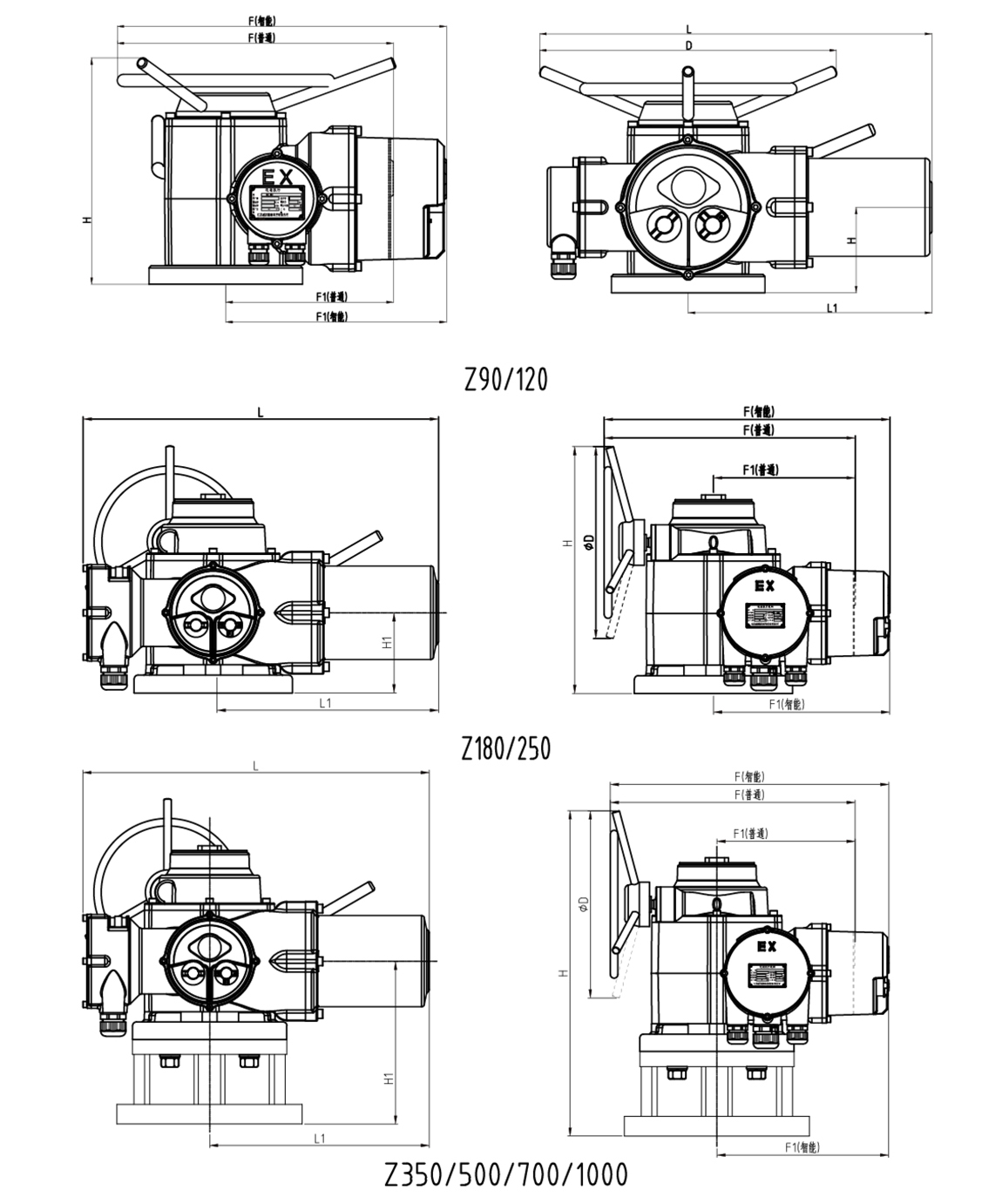
| Type | H | H1 | F | F1 | D | (L) | L | (L1) | L1 | ||
| Ordinary | Ordinary | Intelligen | Ordinary | ||||||||
| Z05/10/15 | 236 | 96 | 334 | 370 | 204 | 240 | 260 | 392 | 412 | 235 | 255 |
| Z20/30 | 285 | 115 | 372 | 442 | 218 | 288 | 300 | 449 | 499 | 265 | 315 |
| Z45/60 | 335 | 125 | 510 | 570 | 252 | 322 | 495 | 563 | 357 | ||
| Z90/120 | 352 | 141 | 517 | 587 | 252 | 322 | 508 | 577 | 637 | 360 | 420 |
| Z180/250 | 515 | 137 | 524 | 596 | 296 | 368 | 400 | 748 | 470 | ||
| Z350/500 | 684 | 348 | 524 | 596 | 296 | 368 | 400 | 748 | 470 | ||
| Z700/1000 | 747 | 411 | 524 | 596 | 296 | 368 | 400 | 748 | 470 | ||