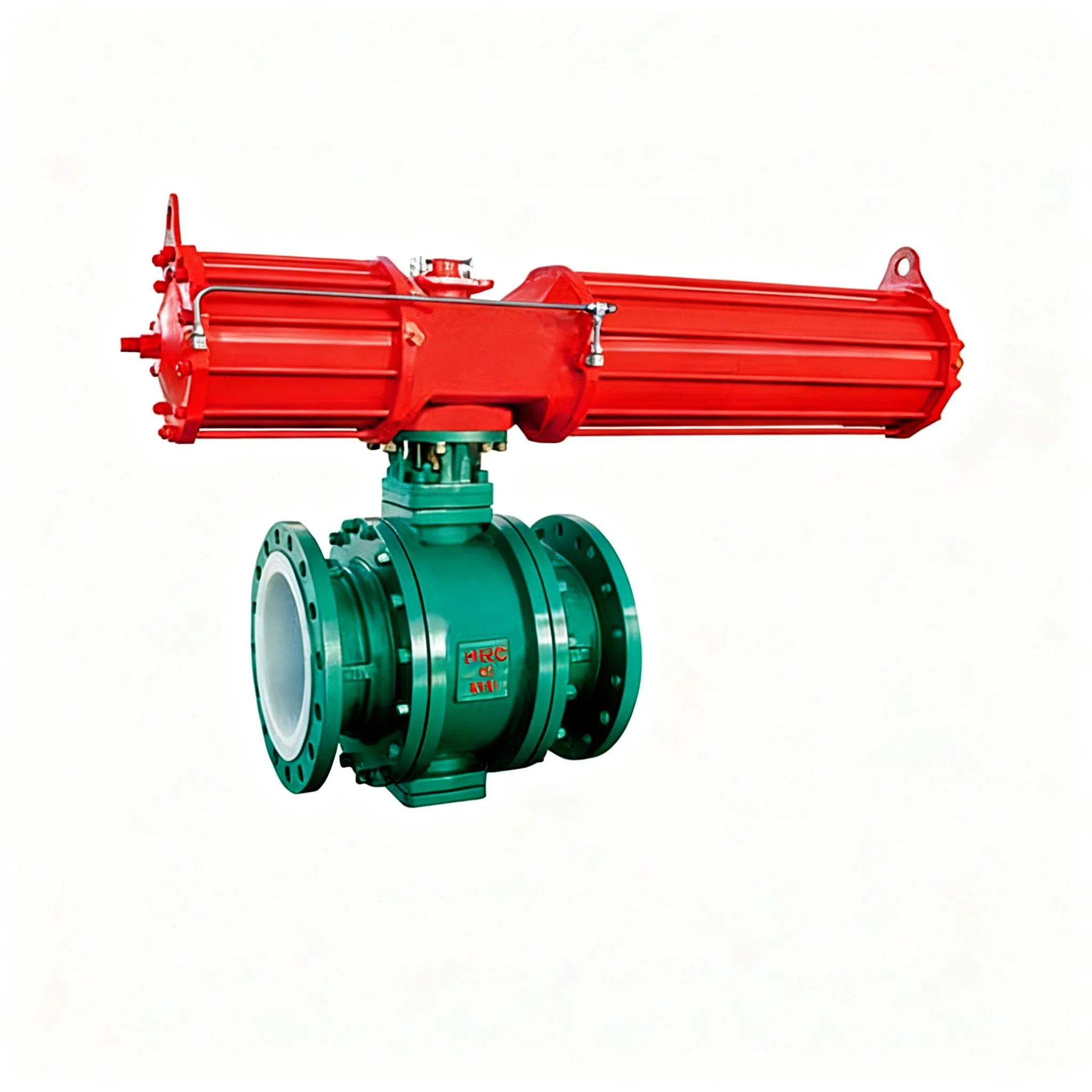
In the dynamic landscape of industrial automation, where precise motion control is the backbone of efficient production, the swivel actuator emerges as an indispensable component. From robotic arms in assembly lines to valve control in process plants, from packaging machinery to automotive manufacturing stations—everywhere rotational motion is required, you’ll find a swivel actuator delivering consistent, reliable performance. This compact yet powerful device is engineered to convert energy (pneumatic, hydraulic, or electric) into controlled rotational movement, enabling seamless operation of countless industrial systems. Today, we’ll delve deep into the world of the swivel actuator, exploring its working principles, key advantages, selection criteria, maintenance tips, and diverse applications—with a focus on why the swivel actuator is a game-changer for modern manufacturing.
I. The Working Principle of a Swivel Actuator: Converting Energy to Rotational Motion
At its core, a swivel actuator is designed to generate controlled rotational motion over a specific angle, typically ranging from 90 degrees to 360 degrees (and even beyond in some specialized models). The exact working mechanism varies slightly based on the energy source (pneumatic, hydraulic, or electric), but the core objective remains the same: to deliver smooth, precise rotational force via the swivel actuator.
For pneumatic swivel actuators—the most common type in industrial settings—the swivel actuator operates by using compressed air to drive a piston or vane within a closed chamber. As compressed air enters one side of the chamber, it pushes the piston or vane, causing the swivel actuator’s output shaft to rotate. A spring or opposing air pressure then returns the swivel actuator to its original position (in single-acting models), while double-acting swivel actuators use air pressure for both rotation directions, ensuring faster response and more consistent torque. Hydraulic swivel actuators follow a similar principle but use hydraulic fluid, offering higher torque output for heavy-duty applications. Electric swivel actuators, on the other hand, use a motor and gearbox to drive rotation, providing exceptional precision and programmability. Regardless of the type, every swivel actuator is engineered to deliver repeatable rotational motion—an essential feature for automated processes.
II. Key Advantages of a Swivel Actuator: Why It’s Indispensable in Automation
The swivel actuator has become a cornerstone of industrial automation due to its unique combination of advantages, each addressing critical needs of modern production lines. Here’s why the swivel actuator stands out from other motion control components:
First and foremost is compact design with high torque. A swivel actuator delivers impressive torque output relative to its size, making it ideal for space-constrained applications (e.g., small robotic arms, compact packaging machines). Unlike bulky rotational systems, the swivel actuator can fit into tight spaces without compromising performance. Second is precision and repeatability. Every swivel actuator is calibrated to maintain consistent rotation angles and torque, ensuring that each cycle is identical—critical for applications like precision assembly or automated dosing.
Another key advantage is versatility. The swivel actuator is available in pneumatic, hydraulic, and electric variants, allowing it to adapt to diverse industrial environments—from cleanrooms in pharmaceutical plants (where pneumatic swivel actuators are preferred for their low contamination risk) to heavy-duty mining equipment (where hydraulic swivel actuators excel at handling high loads). Additionally, the swivel actuator requires minimal maintenance compared to complex rotational systems, thanks to its simple structure with fewer moving parts. This reduces downtime and lowers long-term operational costs—another reason why the swivel actuator is a favorite among plant managers.
III. How to Select the Right Swivel Actuator: 6 Critical Factors
Choosing the correct swivel actuator is vital to ensuring system efficiency and reliability. A mismatched swivel actuator can lead to frequent failures, reduced productivity, and even safety hazards. Below are six key factors to consider when selecting a swivel actuator:
1. Energy Source: Determine whether a pneumatic, hydraulic, or electric swivel actuator is best for your application. Pneumatic swivel actuators are ideal for low- to medium-torque applications and clean environments; hydraulic swivel actuators are suited for heavy-duty, high-torque tasks; electric swivel actuators offer the highest precision and are perfect for applications requiring programmability.
2. Torque Requirement: Calculate the maximum torque needed to drive your load—this is the most critical parameter for swivel actuator selection. Choosing a swivel actuator with insufficient torque will result in failed operation, while an oversized swivel actuator will waste energy and space.
3. Rotation Angle: Most swivel actuators are designed for fixed angles (e.g., 90°, 180°, 360°), but some models offer adjustable angles. Ensure the swivel actuator’s rotation angle matches your application’s needs (e.g., a 90° swivel actuator for valve on/off control).
4. Environmental Conditions: Consider the operating environment. For corrosive environments (e.g., chemical plants), select a swivel actuator with a corrosion-resistant coating (e.g., stainless steel). For high-temperature environments, choose a swivel actuator rated for extreme temperatures. For cleanrooms, opt for a swivel actuator with smooth surfaces to prevent particle accumulation.
5. Response Time: For high-speed automation lines, select a swivel actuator with fast response time (pneumatic or hydraulic swivel actuators are typically faster than electric models). For applications with no speed urgency, electric swivel actuators are a better choice for precision.
6. Mounting and Integration: Ensure the swivel actuator’s mounting style (e.g., flange, foot, or threaded) is compatible with your equipment. Additionally, check if the swivel actuator can integrate with your existing control system (e.g., PLCs) for seamless automation.
IV. Maintenance Tips for Swivel Actuator: Extend Its Service Life
A well-maintained swivel actuator can last for years, delivering consistent performance and reducing downtime. Here are essential maintenance tips to keep your swivel actuator in top condition:
For pneumatic swivel actuators: Regularly check the air supply for cleanliness and dryness—moisture or debris in the air can damage the swivel actuator’s internal components. Lubricate the swivel actuator’s moving parts with a compatible lubricant (as recommended by the manufacturer) to reduce friction. Inspect seals and O-rings for wear or leaks, and replace them promptly to prevent air loss.
For hydraulic swivel actuators: Monitor the hydraulic fluid level and quality—contaminated fluid can cause abrasion and corrosion inside the swivel actuator. Check for fluid leaks around the swivel actuator’s connections and seals. Inspect the swivel actuator’s gearbox (if applicable) for proper lubrication.
For electric swivel actuators: Keep the swivel actuator’s motor and gearbox clean and free of dust. Check electrical connections for tightness and signs of corrosion. Lubricate the swivel actuator’s gears as per the manufacturer’s guidelines. Additionally, conduct regular performance tests to ensure the swivel actuator’s rotation angle and torque remain within specifications.
V. Typical Applications of Swivel Actuator: Powering Diverse Industries
The swivel actuator’s versatility makes it a vital component across a wide range of industries, powering everything from small-scale machinery to large industrial systems. Here are some of the most common applications of the swivel actuator:
In the automotive industry, swivel actuators are used in robotic arms for welding, painting, and assembly tasks—delivering precise rotational motion to position car parts accurately. In the process industry (chemical, oil & gas), swivel actuators control the rotation of valves (e.g., ball valves, butterfly valves), ensuring precise flow regulation of fluids and gases. In packaging machinery, swivel actuators drive the rotation of conveyor belts, sealing heads, and labeling arms—enabling fast and efficient packaging of products.
In the food and beverage industry, stainless steel swivel actuators are used in filling machines and capping equipment, as they meet strict hygiene standards. In medical device manufacturing, small, precise swivel actuators are used in robotic systems for assembling delicate medical components. Even in aerospace applications, swivel actuators play a role in controlling the rotation of aircraft components (e.g., landing gear mechanisms). No matter the industry, the swivel actuator is a reliable workhorse that ensures smooth, efficient rotational motion.
Conclusion: The Swivel Actuator—A Cornerstone of Modern Automation
As industrial automation continues to evolve, the swivel actuator remains a critical component, driving the rotational motion that powers countless processes. Its compact design, high precision, versatility, and low maintenance requirements make the swivel actuator an indispensable tool for manufacturers looking to improve efficiency, reduce downtime, and enhance product quality. Whether you’re selecting a swivel actuator for a small packaging machine or a large-scale industrial system, understanding its working principles, advantages, and selection criteria is key to making the right choice.
Have you used a swivel actuator in your applications? Or do you have questions about selecting the right swivel actuator for your needs? Feel free to share your experiences and questions in the comments below—let’s discuss the power of the swivel actuator together!