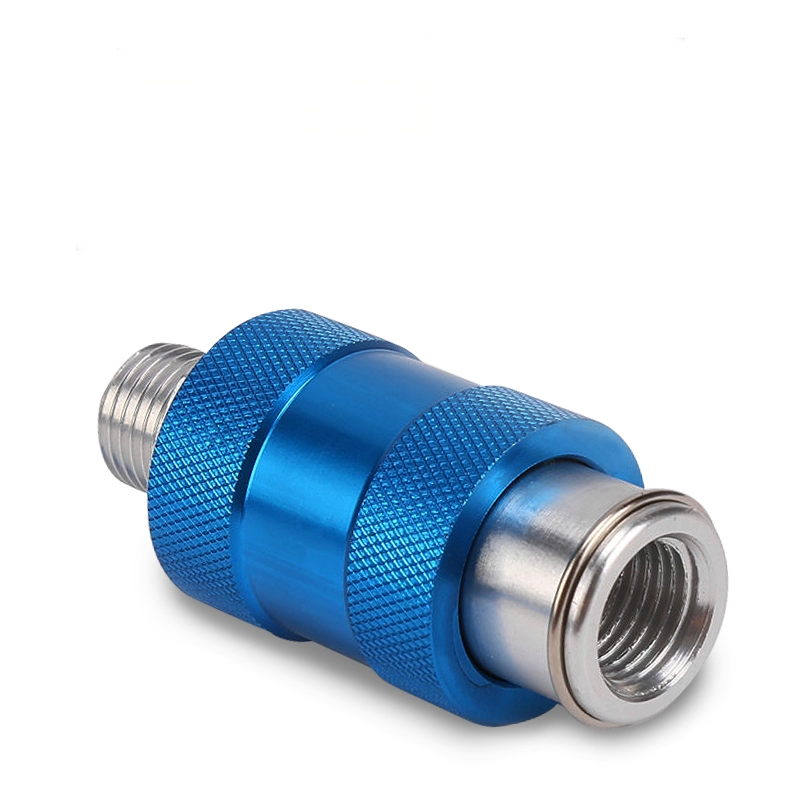
In the dynamic landscape of industrial automation, where precise fluid regulation is the backbone of efficient production, the sliding valve pneumatic emerges as an indispensable component. From chemical processing lines to food and beverage packaging systems, from wastewater treatment plants to pharmaceutical manufacturing setups—everywhere precise flow control is required, you’ll find a sliding valve pneumatic delivering consistent, reliable performance. This robust yet agile device is engineered to convert pneumatic energy into linear sliding motion, enabling seamless modulation of fluid flow in countless industrial systems. Today, we’ll delve deep into the world of the sliding valve pneumatic, exploring its working principles, key advantages, selection criteria, maintenance tips, and diverse applications—with a focus on why the sliding valve pneumatic is a game-changer for modern process control.
I. The Working Principle of a Sliding Valve Pneumatic: Converting Air Pressure to Linear Flow Control
At its core, a sliding valve pneumatic is designed to regulate fluid flow by using compressed air to drive a sliding spool (or gate) within a valve body. Unlike rotational valves (e.g., butterfly valves), the sliding valve pneumatic relies on linear motion to open, close, or throttle the fluid path—making it ideal for applications that demand precise flow adjustment.
The sliding valve pneumatic operates by directing compressed air to one side of a pneumatic actuator (typically a cylinder), which pushes the connected spool to slide horizontally. This sliding motion either uncovers (to increase flow) or covers (to reduce flow) the valve’s internal ports, controlling the volume of fluid passing through. In single-acting sliding valve pneumatic models, a spring returns the spool to its default position when air pressure is released; double-acting sliding valve pneumatic models use air pressure for both extending and retracting the spool, ensuring faster response and more precise positioning. Regardless of the design, every sliding valve pneumatic is calibrated to deliver repeatable linear motion—an essential feature for processes that require consistent flow rates (e.g., chemical dosing, beverage filling).
II. Key Advantages of a Sliding Valve Pneumatic: Why It’s Indispensable in Flow Control
The sliding valve pneumatic has become a cornerstone of industrial process control due to its unique combination of advantages, each addressing critical needs of modern production lines. Here’s why the sliding valve pneumatic stands out from other flow control components:
First and foremost is precision flow modulation. A sliding valve pneumatic offers fine-grained control over flow rates, thanks to its linear sliding spool design—unlike on/off valves, it can throttle fluid from 0% to 100% capacity with high accuracy. This makes the sliding valve pneumatic ideal for applications like automated chemical mixing or pharmaceutical dosage control.
Second is leak-tight performance. The spool of a sliding valve pneumatic forms a tight seal against the valve body’s internal ports (often enhanced by PTFE or rubber seals), minimizing fluid leakage—a critical benefit for handling expensive, toxic, or hazardous media.
Another key advantage is versatility. The sliding valve pneumatic can handle a wide range of media (liquids, gases, slurries) and operating conditions (high pressure, moderate temperatures), with body materials (cast iron, stainless steel, PVC) tailored to specific applications. Additionally, the sliding valve pneumatic requires minimal maintenance compared to complex rotational valves, thanks to its simple linear structure with fewer moving parts—reducing downtime and long-term operational costs.
III. How to Select the Right Sliding Valve Pneumatic: 6 Critical Factors
Choosing the correct sliding valve pneumatic is vital to ensuring system efficiency and reliability. A mismatched sliding valve pneumatic can lead to inconsistent flow, frequent leaks, and even safety hazards. Below are six key factors to consider when selecting a sliding valve pneumatic:
- Media Characteristics: Match the sliding valve pneumatic’s material (body, spool, seals) to the fluid being controlled. For corrosive acids, select a sliding valve pneumatic with stainless steel body and PTFE seals; for food-grade applications, opt for a sliding valve pneumatic with 316L stainless steel and FDA-approved seals.
- Flow Capacity: Calculate the required Cv value (flow coefficient) to ensure the sliding valve pneumatic can handle your system’s maximum flow rate—an undersized sliding valve pneumatic will cause pressure loss, while an oversized one will sacrifice control precision.
- Pressure Rating: Ensure the sliding valve pneumatic’s maximum operating pressure matches (or exceeds) your system’s pressure—exceeding this limit can damage the valve’s seals or body.
- Actuator Type: Choose between single-acting (spring-return) or double-acting sliding valve pneumatic models. Single-acting is ideal for fail-safe applications (e.g., emergency shutoff), while double-acting offers faster, more consistent motion for continuous process control.
- Environmental Conditions: For high-temperature environments, select a sliding valve pneumatic with heat-resistant seals; for dusty or wet areas, opt for a sliding valve pneumatic with an IP65-rated actuator enclosure.
- Control Compatibility: Ensure the sliding valve pneumatic can integrate with your existing pneumatic control system (e.g., solenoid valves, regulators) for seamless automation.
IV. Maintenance Tips for Sliding Valve Pneumatic: Extend Its Service Life
A well-maintained sliding valve pneumatic can last for years, delivering consistent performance. Here are essential tips to keep your sliding valve pneumatic in top condition:
- For the pneumatic actuator: Regularly check the air supply for cleanliness/dryness—moisture or debris can damage the sliding valve pneumatic’s cylinder seals. Lubricate the actuator’s piston rod with a compatible oil (if recommended by the manufacturer).
- For the valve body: Inspect the spool and seals for wear or corrosion every 3–6 months; replace worn components promptly to prevent leaks. Flush the sliding valve pneumatic periodically if handling particulate-laden media (e.g., slurries) to avoid spool jamming.
- For controls: Test the sliding valve pneumatic’s response to air pressure adjustments monthly to ensure consistent flow modulation.
V. Typical Applications of Sliding Valve Pneumatic: Powering Diverse Industries
The sliding valve pneumatic’s versatility makes it a vital component across industries:
- In chemical processing: Sliding valve pneumatic units control the flow of corrosive reagents in batch mixing systems.
- In food and beverage: Sanitary sliding valve pneumatic models regulate the flow of juices, dairy, and syrups in filling lines.
- In wastewater treatment: Sliding valve pneumatic valves throttle the flow of sludge and chemical treatments in filtration systems.
- In pharmaceuticals: Precision sliding valve pneumatic units dose active ingredients in tablet manufacturing.
Conclusion: The Sliding Valve Pneumatic—A Cornerstone of Modern Flow Control
As industrial automation evolves, the sliding valve pneumatic remains a critical component, delivering the precise flow control that powers countless processes. Its precision, reliability, and versatility make the sliding valve pneumatic an indispensable tool for manufacturers looking to improve efficiency and product quality.
Have you used a sliding valve pneumatic in your applications? Or do you have questions about selecting the right sliding valve pneumatic for your needs? Feel free to share your experiences in the comments below!