
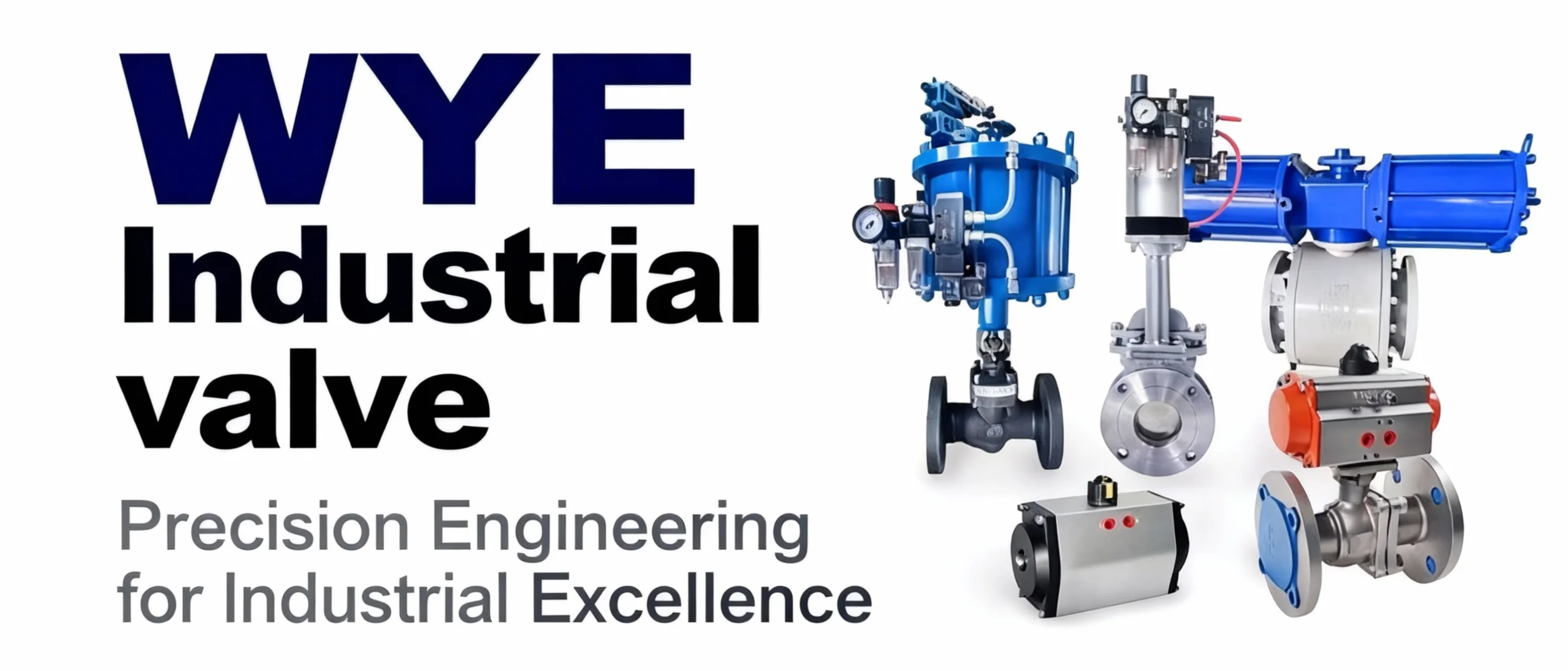
If you work in an industry that relies on steam—whether it’s power generation, manufacturing, HVAC, or food processing—you know how critical it is to have reliable control over steam flow, pressure, and temperature. Among the various valves used in steam systems, the globe valve stands out as a workhorse, offering precision, durability, and versatility that few other valves can match. In this blog, we’ll dive deep into everything you need to know about globe valves for steam applications: how they work, their key advantages, selection tips, maintenance best practices, and common use cases.
What Is a Globe Valve, and How Does It Work with Steam?
First, let’s start with the basics. A globe valve is a linear motion valve designed to regulate, throttle, or shut off fluid (or in this case, steam) flow. Its name comes from the spherical-shaped body (or “globe”) that houses the valve’s internal components: a movable disc (or plug) and a stationary seat. Unlike quarter-turn valves (like ball or butterfly valves), which use rotational motion to open/close, globe valves operate by raising or lowering the disc relative to the seat via a stem connected to a handwheel, actuator, or gearbox.
When used with steam, this linear motion is particularly advantageous. Steam is a high-temperature, high-pressure fluid that requires precise control to prevent issues like water hammer, overheating, or pressure spikes. Globe valves excel here because the disc’s gradual movement allows for fine-tuning of flow rates—you can adjust the opening slightly for minimal flow or fully open it for maximum throughput. The tight seal between the disc and seat also ensures reliable shut-off, preventing steam leakage that can waste energy and pose safety hazards.
Key Advantages of Globe Valves for Steam Applications
Why choose a globe valve over other valve types for steam systems? Here are the top benefits that make it a go-to choice for engineers and plant managers:
-
Precise Throttling & Flow Control: As mentioned, the linear motion of the disc allows for exact regulation of steam flow. This is crucial in applications where flow rates need to be adjusted frequently (e.g., in HVAC systems to maintain building temperature or in manufacturing to control process heat).
-
Reliable Shut-Off: The tight contact between the disc and seat (often made from hard-wearing materials like stainless steel or chrome-plated brass) creates a leak-tight seal. This is essential for steam systems, where even small leaks can lead to significant energy loss and increased operational costs.
-
Durability in High-Temperature/Pressure Environments: Globe valves are built to withstand the harsh conditions of steam service. High-quality globe valves use materials that resist corrosion, erosion, and thermal fatigue—critical for long-term performance in systems where steam temperatures can exceed 500°F (260°C) and pressures top 1,000 PSI.
-
Versatility: They can be used in a wide range of steam applications, from low-pressure residential boilers to high-pressure industrial steam lines. They also work well with both saturated and superheated steam.
-
Easy Maintenance: Most globe valves have a straightforward design with removable internal components (disc, seat, stem). This makes it easy to inspect, repair, or replace parts without removing the entire valve from the pipeline—saving time and reducing downtime.
How to Select the Right Globe Valve for Your Steam System
Not all globe valves are created equal. To ensure optimal performance and longevity, you need to select a valve that’s tailored to your specific steam application. Here are the key factors to consider:
1. Material Selection
The valve’s body and internal components must be compatible with the steam’s temperature, pressure, and any contaminants (e.g., minerals, chemicals) present. Common materials include:
-
Cast Iron: Suitable for low-pressure steam systems (up to 150 PSI) with temperatures below 350°F (177°C) (e.g., residential boilers, small HVAC systems).
-
Carbon Steel: Ideal for medium to high-pressure systems (up to 1,000 PSI) and temperatures up to 800°F (427°C) (e.g., industrial manufacturing, power plants).
-
Stainless Steel: Best for corrosive steam environments (e.g., steam with high mineral content or in chemical processing) or high-temperature applications (up to 1,200°F (649°C)).
2. Pressure & Temperature Ratings
Always check the valve’s ANSI class (e.g., Class 150, 300, 600) to ensure it can handle your system’s maximum pressure and temperature. For example, a Class 300 globe valve is rated for higher pressure than a Class 150 valve—using a valve with a lower rating than needed can lead to failure and safety risks.
3. Valve Size
The valve size (measured in inches or millimeters) should match the diameter of your pipeline. A valve that’s too small will restrict flow and cause pressure drops, while a valve that’s too large will be unnecessarily expensive and harder to control.
4. Actuation Type
Globe valves can be manually operated (via a handwheel) or automated (via electric, pneumatic, or hydraulic actuators). Choose manual valves for applications where flow adjustments are infrequent. For continuous or remote control (e.g., in large industrial plants or automated HVAC systems), automated actuators are the better choice—they improve efficiency and reduce the risk of human error.
5. Trim Design
The “trim” (disc, seat, stem) is the heart of the globe valve. For steam applications, look for trims made from wear-resistant materials (e.g., Stellite, a cobalt-chromium alloy) to withstand the erosive effects of high-velocity steam. You can also choose between different disc types (e.g., plug discs for general service, needle discs for precise throttling) based on your control needs.
Maintenance Best Practices for Globe Valves in Steam Systems
Proper maintenance is key to extending the life of your globe valve and ensuring reliable performance. Here are some tips to keep your valves in top shape:
-
Regular Inspection: Check for leaks around the stem, bonnet, and body connections. Look for signs of corrosion, erosion, or damage to the handwheel/actuator. For automated valves, test the actuator’s response time and ensure it’s calibrated correctly.
-
Lubrication: Lubricate the stem and packing glands regularly to prevent friction and leaks. Use a lubricant that’s compatible with high temperatures (steam can break down ordinary lubricants).
-
Packing Replacement: The packing (which seals the stem to prevent steam leakage) will wear out over time. Replace it with high-temperature packing (e.g., graphite or PTFE) when you notice leaks or increased friction when turning the handwheel.
-
Cleaning: Periodically remove and clean the valve’s internal components to remove mineral deposits, scale, or debris that can affect flow control. This is especially important in hard water areas where scale buildup is common.
-
Pressure Testing: Conduct regular pressure tests to ensure the valve can still handle the system’s operating pressure without leaking. This is critical for safety, especially in high-pressure steam systems.
Common Use Cases for Globe Valves in Steam Systems
Globe valves are used in nearly every industry that relies on steam. Here are some of the most common applications:
-
Power Generation: Controlling steam flow in boilers, turbines, and feedwater systems.
-
Manufacturing: Regulating steam for process heating in industries like paper, textile, and plastic production.
-
HVAC: Adjusting steam flow in radiators, heat exchangers, and air handlers to maintain indoor temperature.
-
Food & Beverage: Controlling steam for sterilization, pasteurization, and cooking processes (stainless steel globe valves are preferred here for hygiene).
-
Oil & Gas: Managing steam flow in refineries and petrochemical plants for processes like distillation and cracking.
Final Thoughts
When it comes to steam system control, globe valves are a reliable, versatile solution that offers precision and durability. By understanding how they work, selecting the right valve for your application, and following proper maintenance practices, you can ensure optimal performance, reduce energy waste, and extend the life of your steam system.
Whether you’re upgrading an existing system or designing a new one, don’t overlook the importance of choosing a high-quality globe valve. It’s a small component that plays a big role in the efficiency and safety of your operations.
Have questions about globe valves for your steam system? Drop a comment below, and we’ll help you find the right solution!
