
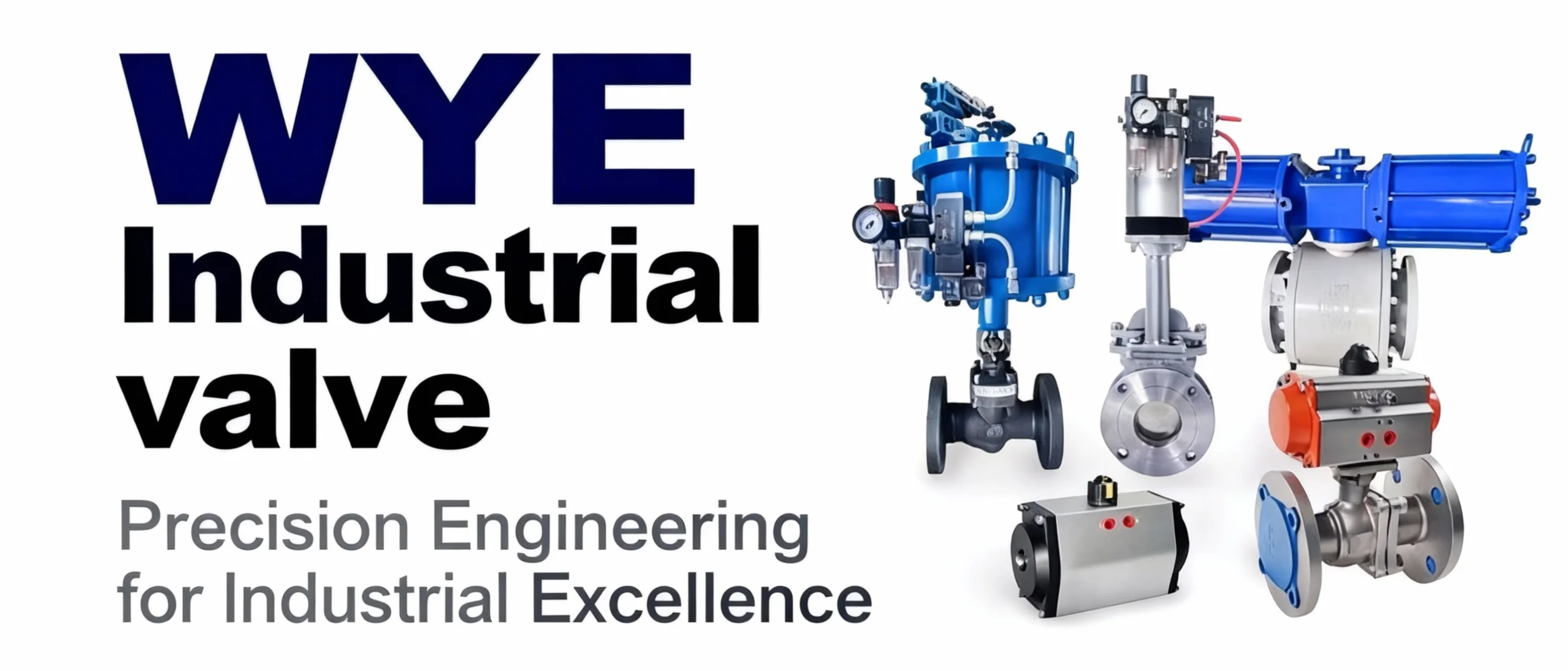
If you work with pneumatic systems—whether in manufacturing, automotive, or even industrial automation—you’ve likely encountered a pneumatic relief valve. But do you truly understand just how critical this small yet powerful component is? Today, we’re diving deep into the world of the pneumatic relief valve, exploring its functions, applications, key features, and why choosing the right pneumatic relief valve can make or break your entire pneumatic setup.
First, let’s start with the basics: What exactly is a pneumatic relief valve? At its core, a pneumatic relief valve is a safety device designed to control and release excess pressure within a pneumatic system. When the pressure inside the system rises above a pre-set limit, the pneumatic relief valve automatically opens to bleed off the extra air, preventing damage to hoses, cylinders, valves, and other vital components. Without a reliable pneumatic relief valve, your system could suffer from catastrophic failures, costly repairs, and even safety hazards for operators.
One of the most notable traits of a high-quality pneumatic relief valve is its responsiveness. A top-tier pneumatic relief valve doesn’t hesitate when pressure spikes—its precision-engineered design ensures it opens exactly when needed and closes just as quickly once pressure returns to a safe level. This responsiveness is what sets a premium pneumatic relief valve apart from cheaper, low-quality alternatives. Imagine a scenario where your pneumatic system is running at full capacity, and a sudden blockage causes pressure to surge. A faulty pneumatic relief valve might fail to open in time, leading to burst hoses or damaged machinery. But a reliable pneumatic relief valve? It handles the spike seamlessly, keeping your system running smoothly and safely.
Now, let’s talk about the wide range of applications where a pneumatic relief valve shines. From small-scale workshops to large industrial plants, the pneumatic relief valve is a staple in countless setups. In manufacturing, for example, assembly lines rely on pneumatic systems to power robotic arms, conveyor belts, and clamping tools—and each of these systems needs a pneumatic relief valve to maintain stability. In the automotive industry, pneumatic relief valves are used in braking systems, suspension setups, and even paint booths to ensure consistent pressure and prevent malfunctions. Even in more specialized fields like aerospace or medical equipment, the pneumatic relief valve plays a crucial role in maintaining the precision and safety of pneumatic components.
When it comes to selecting a pneumatic relief valve, there are several key factors to consider. First, you need to match the pneumatic relief valve’s pressure rating to your system’s maximum operating pressure. Choosing a pneumatic relief valve with a rating too low will cause it to open prematurely, wasting air and reducing efficiency. On the other hand, a pneumatic relief valve with a rating too high won’t provide the necessary protection. Second, consider the flow rate of the pneumatic relief valve—this determines how much excess air it can release in a given time, which is critical for high-volume systems. Additionally, the material of the pneumatic relief valve matters: for harsh environments with moisture, chemicals, or extreme temperatures, a corrosion-resistant pneumatic relief valve (made from materials like stainless steel) is a must.
Maintenance is another aspect where the pneumatic relief valve demands attention. Like any mechanical component, a pneumatic relief valve needs regular checks to ensure it’s functioning properly. Over time, dirt, debris, or wear and tear can compromise the pneumatic relief valve’s performance—so regular cleaning, lubrication, and pressure testing are essential. A well-maintained pneumatic relief valve will last longer, perform more reliably, and save you from unexpected downtime. Pro tip: Keep a spare pneumatic relief valve on hand for quick replacements, especially if your system is critical to daily operations.
Let’s address a common misconception: Some people think any pneumatic relief valve will do, but that’s far from the truth. A generic, one-size-fits-all pneumatic relief valve might work in a pinch, but it won’t provide the same level of protection or efficiency as a valve tailored to your specific system. For example, if you’re working with a high-precision pneumatic system (like those used in medical devices), you need a pneumatic relief valve with ultra-tight pressure tolerance. For industrial systems that handle heavy loads, a rugged, heavy-duty pneumatic relief valve is necessary to withstand constant use.
Another key point to note is that the pneumatic relief valve isn’t just a safety device—it also contributes to the overall efficiency of your pneumatic system. By releasing only the excess pressure, a well-calibrated pneumatic relief valve ensures that your compressor doesn’t work harder than necessary, reducing energy consumption and lowering operational costs. Over time, these savings add up, making the investment in a high-quality pneumatic relief valve well worth it.
In conclusion, the pneumatic relief valve is an unsung hero in the world of pneumatic systems. It’s the first line of defense against pressure spikes, the guardian of your equipment, and a key contributor to efficiency and safety. Whether you’re building a new pneumatic setup, replacing an old valve, or simply maintaining your existing system, never underestimate the importance of choosing the right pneumatic relief valve. Invest in a high-quality, properly sized pneumatic relief valve, keep up with regular maintenance, and your pneumatic system will reward you with reliable performance for years to come.
Have you ever had a positive or negative experience with a pneumatic relief valve? Share your stories in the comments below—we’d love to hear from you!
