What Is a Cast Iron Swing Non Return Valve?
Key Benefits of Choosing Cast Iron
-
Exceptional Durability
Cast iron is known for its strength and resistance to mechanical stress. Unlike plastic or lighter metals, it can handle the high pressure and temperature fluctuations common in industrial and municipal systems, giving it a long service life.
-
Corrosion Resistance
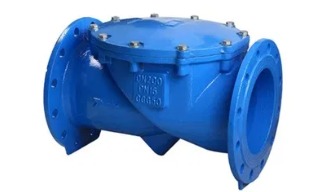
When coated with protective finishes like epoxy (as seen in the blue valve above), cast iron becomes highly resistant to rust and corrosion. This is a game-changer for systems handling water, sewage, or chemicals, as it prevents degradation and extends the valve’s lifespan.
-
Low Maintenance
The swing design is simple and reliable, with fewer moving parts than other valve types. This means less chance of failure and minimal maintenance. The valve’s disc swings freely, and the cast iron body resists buildup, keeping your system running with little intervention.
-
Cost-Effective
While cast iron valves may have a higher upfront cost than alternatives, their durability and low maintenance make them a more economical choice over time. You won’t need frequent replacements or repairs, saving you both time and money.
Ideal Applications
- Municipal Water Supply: Prevents contamination by stopping water from flowing back into the main supply line.
- Sewage and Wastewater Systems: Ensures waste moves in one direction, avoiding blockages and system backups.
- Industrial Processes: Protects pumps and other equipment from damage caused by reverse flow.
- Irrigation Networks: Maintains consistent water pressure and prevents water from draining back into the source.
Final Thoughts