
Introduction
In industrial piping systems, butterfly valves are widely used due to their simple structure, fast operation, and excellent flow capacity. With just a 90-degree rotation, they can efficiently control or shut off fluid flow, making them a preferred choice across industries such as water treatment, chemical processing, and power generation.
However, one critical factor is often overlooked: the butterfly valve connection type.
The connection method directly affects compatibility with pipelines, installation efficiency, sealing reliability, and maintenance cost. Choosing the right connection type is essential for ensuring long-term system performance.

Why Butterfly Valve Connection Type Matters
Different connection types are designed for different operating conditions. A mismatch can lead to leakage risks, installation difficulties, increased downtime, and higher lifecycle costs.
Understanding each connection type helps engineers and buyers make informed decisions based on pressure, temperature, pipeline size, and maintenance needs.
Wafer Type Butterfly Valve
Structure and Design
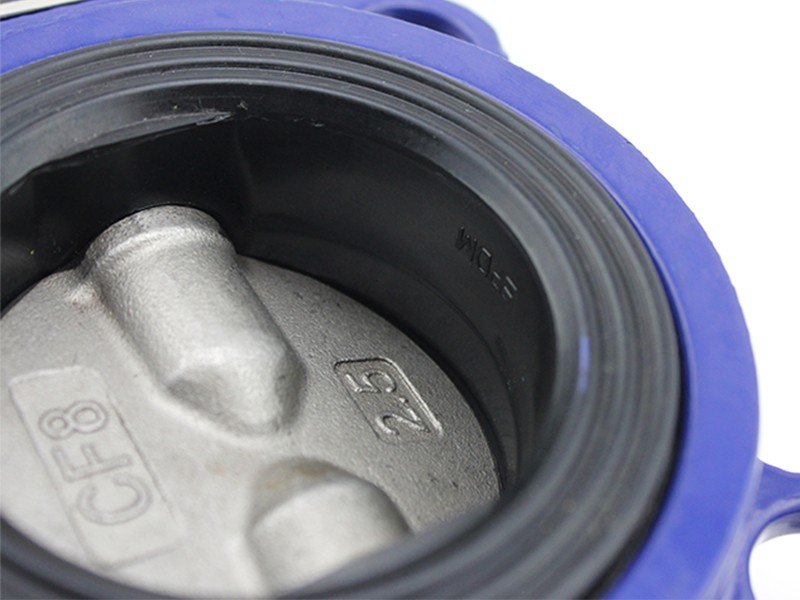
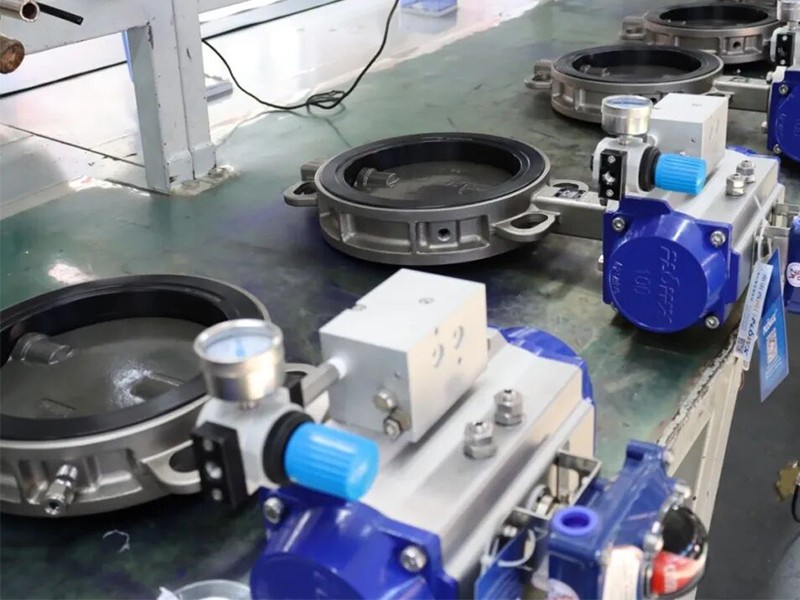
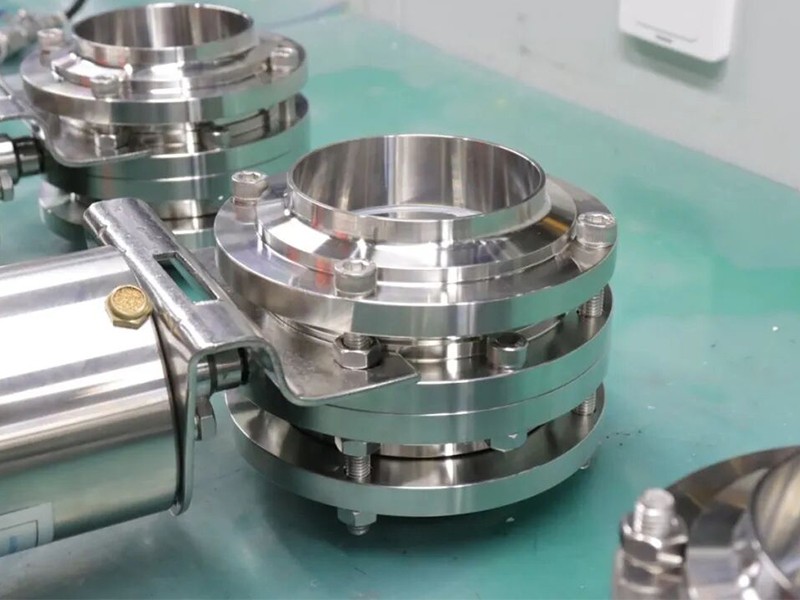
The wafer butterfly valve is installed between two pipe flanges and secured using long bolts that pass through the entire assembly.
Key Advantages
- Compact and lightweight
- Cost-effective
- Quick installation
Limitations
- Suitable for low-pressure systems (≤1.6 MPa)
- Not ideal for large diameters
Best Applications
- DN50–DN600 pipelines
- Low-pressure systems
- Space-limited installations
Flanged Butterfly Valve
Structure and Design
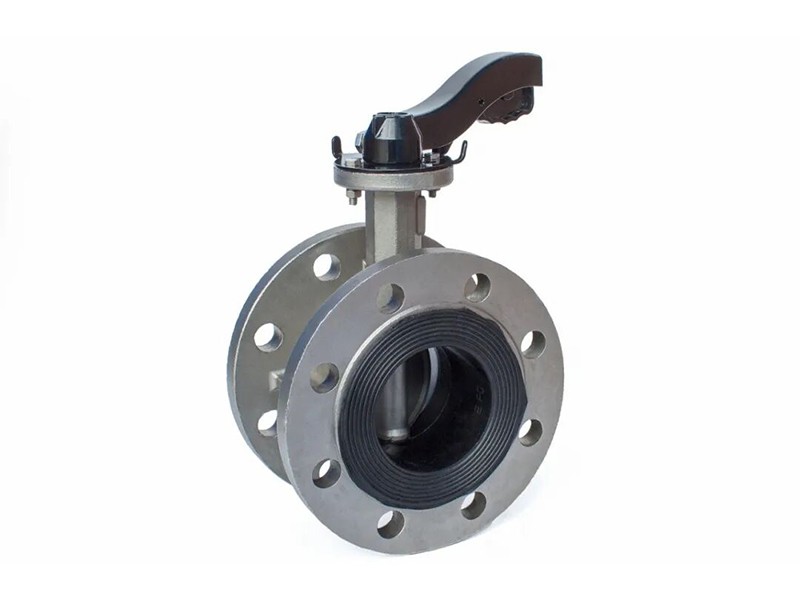
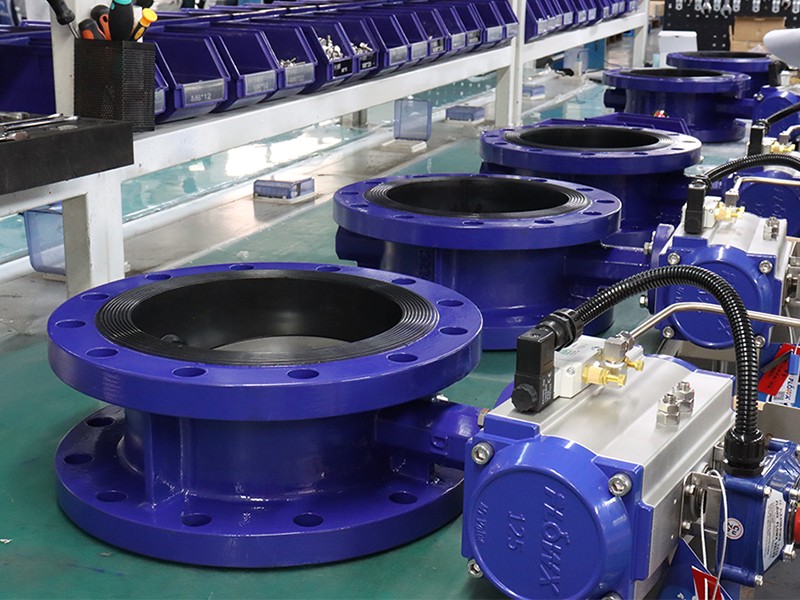
Flanged butterfly valves have integrated flanges on both ends, allowing direct connection to pipe flanges.
Key Advantages
- Strong compatibility
- Easy maintenance
- Reliable sealing
Limitations
- Requires more space
- Higher cost
Best Applications
- General industrial systems
- Large pipelines
- Systems requiring maintenance
Lug Type Butterfly Valve
Structure and Design
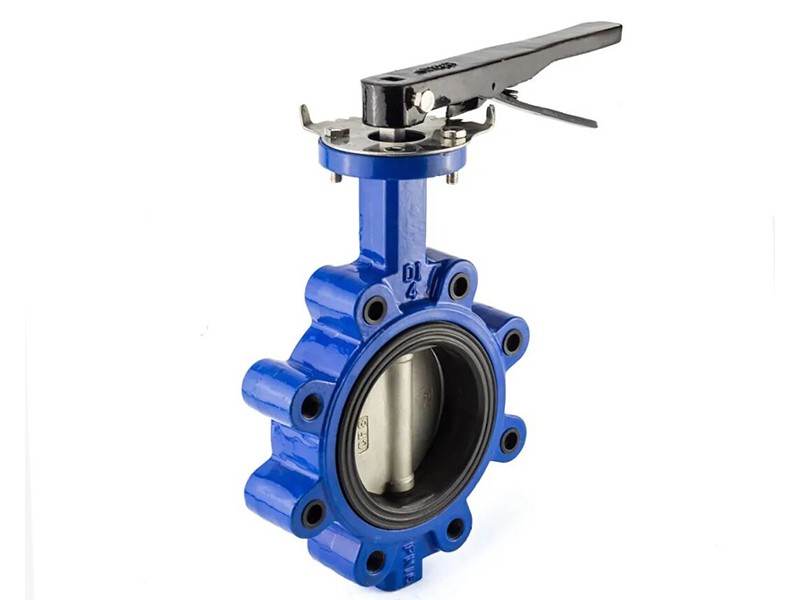
Lug type butterfly valves feature threaded inserts that allow direct bolting to the pipeline.
Key Advantages
- Precise installation
- Strong structural support
- Handles vibration well
Limitations
- Requires stable installation base
- More complex installation
Best Applications
- DN300+ pipelines
- Municipal systems
- Power plants
Grooved (Clamp) Butterfly Valve
Structure and Design
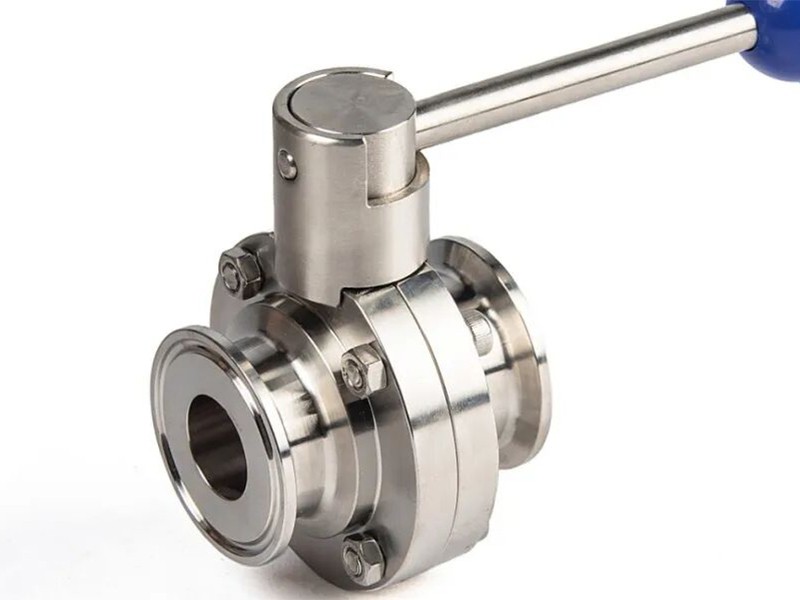
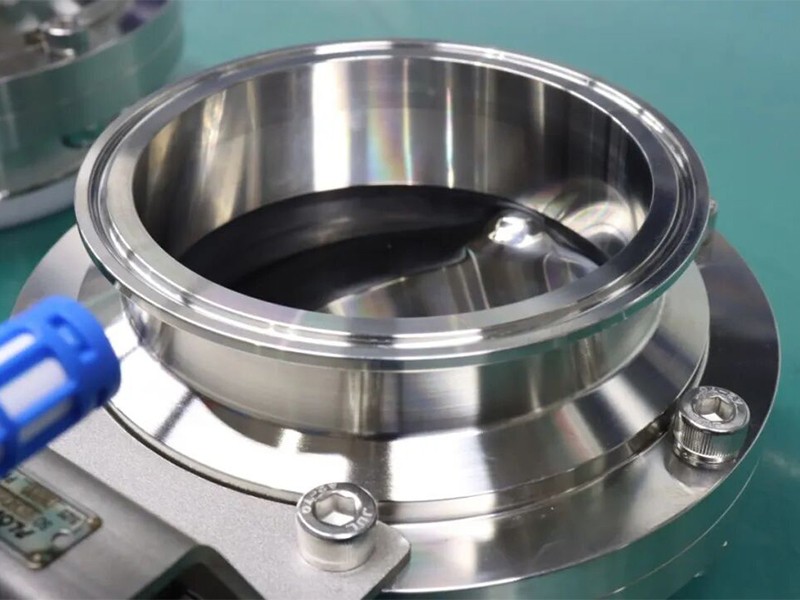
Grooved butterfly valves use clamps and bolts for quick connection.
Key Advantages
- Fast installation
- Easy maintenance
- No pipe damage during removal
Limitations
- Pressure limit ≤2.5 MPa
- Temperature limit ≤120°C
Best Applications
- Water systems
- Low-pressure pipelines
- Frequent maintenance scenarios
Welded Butterfly Valve
Structure and Design
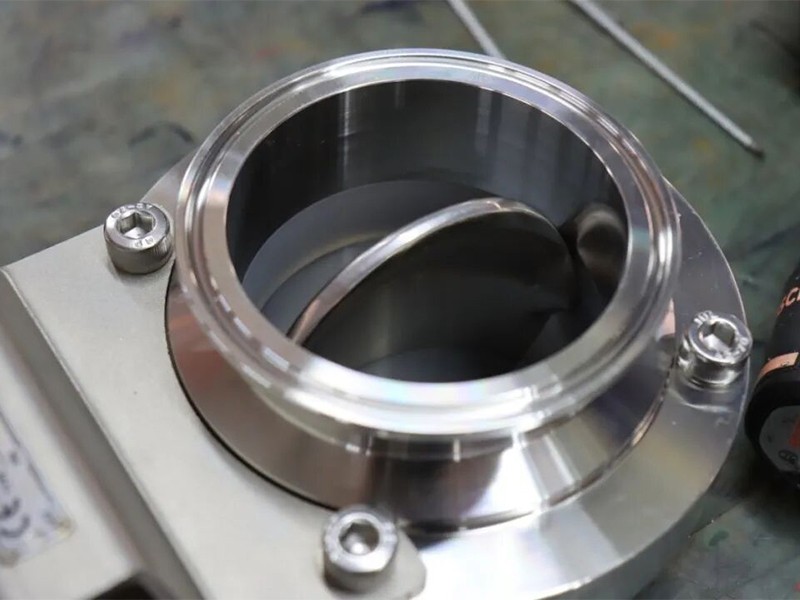
Welded butterfly valves are directly welded into the pipeline, forming a permanent connection.
Key Advantages
- Zero leakage
- High strength
- Suitable for hazardous media
Limitations
- Not removable
- High maintenance cost
- Requires professional installation
Best Applications
- High-temperature systems
- Oil & gas pipelines
- Chemical industry
- Nuclear applications
Comparison of Butterfly Valve Connection Types
How to Choose the Right Butterfly Valve Connection
Step 1: Evaluate Working Conditions
- High temperature or hazardous media → Welded
- Large flow and vibration → Lug type
Step 2: Check Pipeline Parameters
- DN300+ → Lug
- DN50–600 → Wafer / Flanged / Grooved
Step 3: Consider Budget and Maintenance
- Low cost → Wafer
- Easy maintenance → Grooved / Flanged
- Long-term reliability → Welded
Common Mistakes in Selection
- Choosing based only on price
- Ignoring pressure and temperature limits
- Mismatch between valve and pipeline
Conclusion
There is no “best” butterfly valve connection type—only the one that best fits your application.
Selecting the right connection ensures better performance, lower maintenance, and longer service life.
