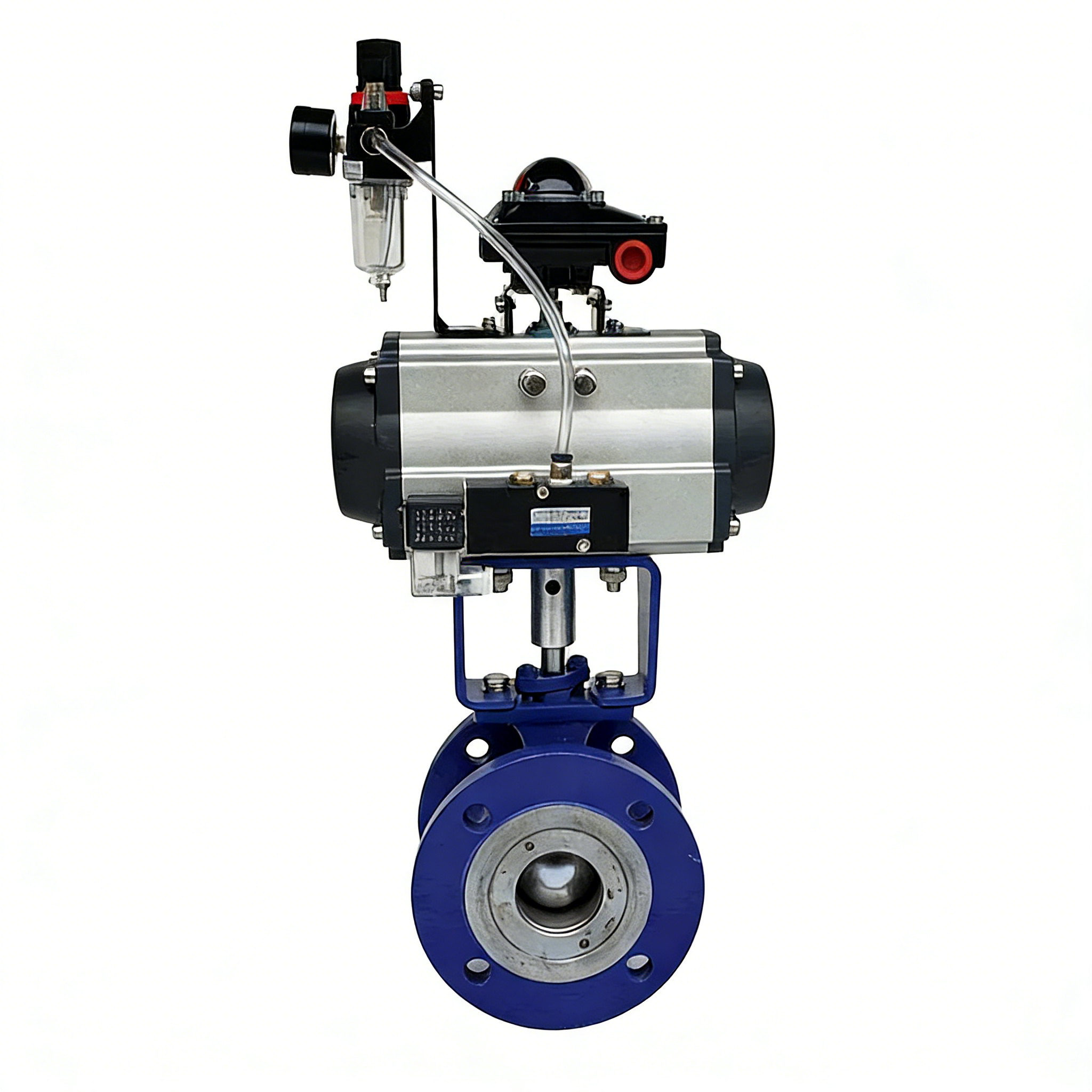
To determine whether a pneumatic ball valve is qualified, we can conduct the evaluation from the following aspects:
-
Compliance with Specifications and ParametersFirst and foremost, we need to verify whether the specifications and parameters of the pneumatic ball valve meet the project or design requirements. These parameters include the nominal size, pressure rating, and valve body material of the pneumatic ball valve. It is critical to confirm that these parameters can fully satisfy the corresponding working condition requirements. Such information can be obtained from the product’s technical documents or through the professional valve sizing services provided by suppliers.
-
Inspection of Appearance and Manufacturing ProcessSecondly, we need to carefully examine the appearance and manufacturing process of the pneumatic ball valve, as well as check whether the raw material is adulterated with other substances. A qualified pneumatic ball valve should be free from obvious defects such as welding spatter, oxidation spots, and cracks. Defects in appearance and manufacturing process may exert an adverse impact on the sealing performance and operational reliability of the pneumatic ball valve.
-
Reliability and Performance TestingIn addition, we can judge the quality of the pneumatic ball valve through reliability and performance tests. These tests include verifying whether the opening and closing actions of the pneumatic ball valve are flexible under corresponding working conditions, whether the sealing performance meets the specified requirements, whether there is any leakage, and what the pressure-bearing capacity is. The results of these tests can be obtained from the test reports provided by the manufacturer or confirmed through on-site verification tests.
-
Compliance with Quality Management Systems and Certification StandardsFinally, we can check whether the pneumatic ball valve has obtained relevant quality management system certifications, such as ISO 9001 (Quality Management System) and ISO 14001 (Environmental Management System). Enterprises with valid certification credentials usually indicate that their products comply with certain quality standards, and they implement strict quality control systems throughout the production process.
In summary, the qualification criteria for pneumatic ball valves mainly cover compliance with specifications and parameters, inspection of appearance and manufacturing process, reliability and performance testing, as well as recognition of quality management systems and certification standards. Through the above evaluation and assessment, we can determine whether the quality of the pneumatic ball valve is qualified, thereby providing a guarantee for the smooth progress of engineering projects.
Different projects and industries may have distinct working condition requirements and certification standards. Therefore, the evaluation must be conducted in combination with specific actual situations. Meanwhile, it is recommended to select reputable and experienced suppliers when purchasing pneumatic ball valves, to ensure that the selected products have undergone strict quality control and possess certified reliable performance.
Safety is of paramount importance and responsibility weighs more than anything else. When selecting pneumatic ball valves, do not seek petty gains at the expense of overall quality, otherwise, it will lead to greater losses.