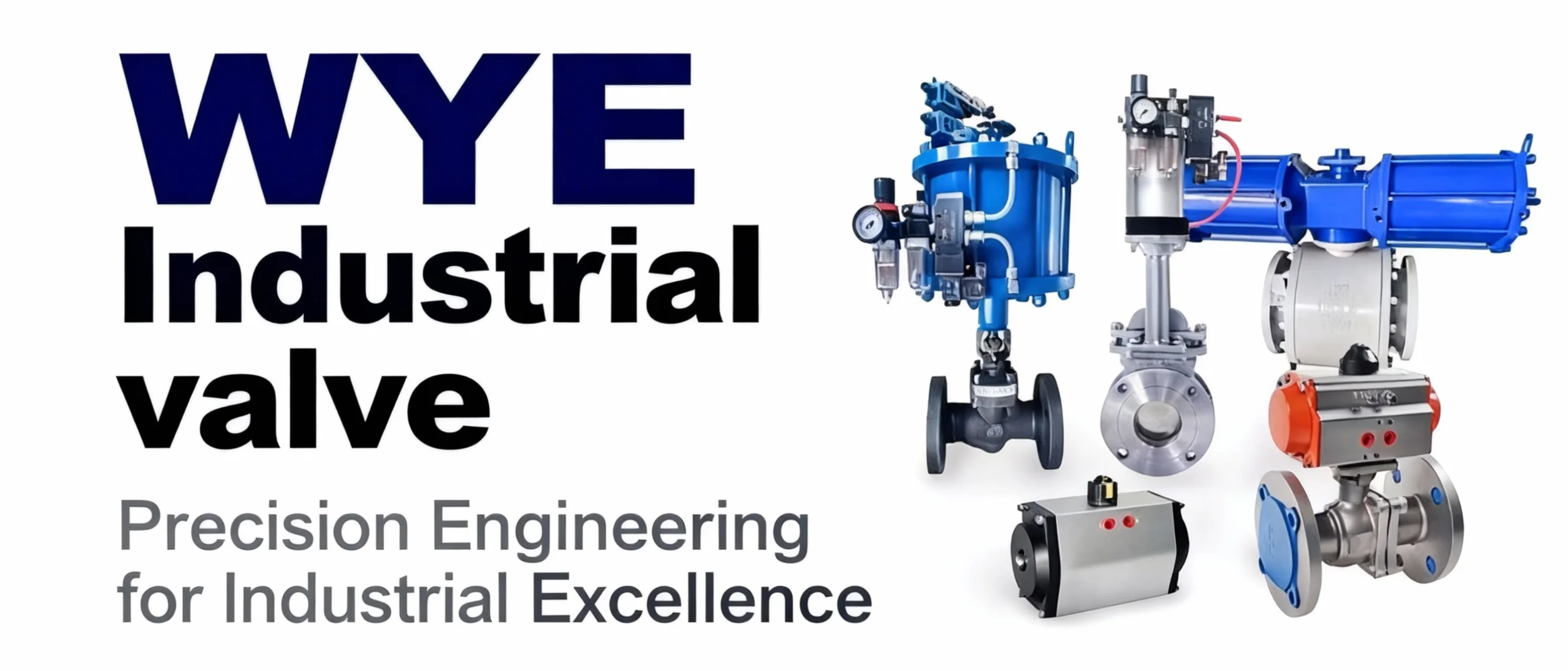
Electric steam control valves are mainly divided into electric steam temperature control valves, electric pressure control valves, and electric flow control valves. Due to the high temperature and high pressure of the medium they use, great care must be taken during selection. Improper selection will lead to frequent failures during use, seriously affecting the normal operation of equipment and systems. Below, we will discuss the selection of electric steam control valves and some issues that need attention during use through a practical case.
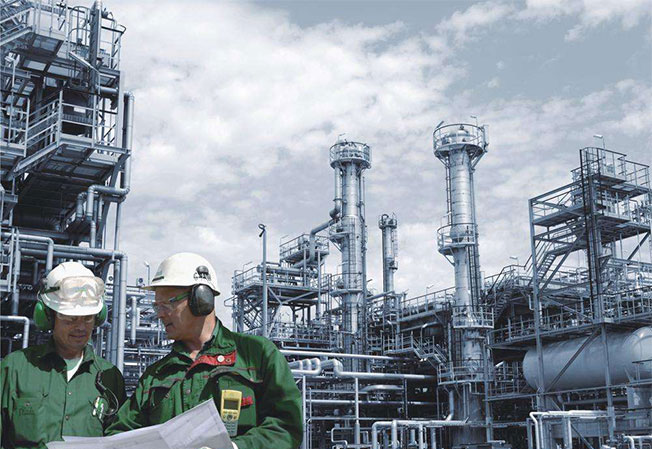
There was a large chemical enterprise that needed to use steam to control the temperature of reaction tanks. The steam was waste heat from a thermal power plant, with a temperature of about 200°C and a pressure of about 1.2MPa. It was required to use an electric steam control valve to maintain a constant steam pressure, with the valve pressure ranging from 0.8 to 1.0MPa and the outlet pressure from 0.4 to 0.5MPa. During the initial selection, due to unclear on-site parameters, an electric single-seat control valve was chosen. Shortly after use, failures occurred frequently, including burnout of the actuator motor, damage to the control module, and damage to the reduction gear.
Later, personnel were sent to the site for observation and analysis, and the cause of the failure was finally identified. It turned out that the pressure difference between the inlet and outlet of the electric steam control valve was relatively large, resulting in excessive load or overload on the actuator during operation. This was why the reduction gear was overwhelmed and damaged several times, and the motor and module were also damaged. Moreover, the user had improperly selected the pressure tapping point during system design (choosing a location where pressure changes extremely rapidly), and there were problems with the PID parameter settings of the pressure control module in the control system. This made the entire system too sensitive—even a slight pressure change would cause the regulator to output a control signal to drive the control valve, resulting in frequent movement and even oscillation of the control valve, which in turn caused oscillation of the entire system. Not only could the controlled variable not be stabilized, but the control valve was also overwhelmed and unable to complete the regulation task.
After consulting with the user, it was decided to replace the single-seat control valve with an electric sleeve control valve. The balanced spool structure of the sleeve valve can greatly offset the unbalanced force generated when steam passes through, reducing the load on the electric actuator and facilitating the long-term stable operation of the control valve. The reason for not choosing a balanced single-seat control valve was that the guide seal ring of the single-seat valve is not resistant to long-term wear under steam conditions, and the system had low requirements for the leakage rate of the control valve— the sleeve valve was fully capable of meeting such working conditions. At the same time, the pressure tapping point was reconfirmed. After the sleeve control valve was installed, during system commissioning, the PID parameters were reset: increasing the proportional band and extending the integral time, that is, adjusting the system response time slightly on the premise that the steam pressure fluctuation could meet the usage requirements. After such adjustments, the problem was basically solved.
In fact, from the perspective of an ideal solution, a pneumatic double-seat control valve would be more suitable according to the on-site working conditions and requirements here. However, the user found it inconvenient to lay air source pipelines, so this option was not adopted.
In summary, for electric steam control valves, while selection is important, installation, commissioning, and maintenance are even more critical. Many failures are caused by users’ lack of familiarity with the performance and maintenance characteristics of control valves. You cannot isolate the control valve from the control system; instead, you need to consider and adjust it together with the entire system. Furthermore, the control valve is a dynamic executive component that is prone to various failures, which is incomparable to manual valves. With the increasing popularity of fieldbus control valves, tasks originally completed by the system have been transferred to the control valves themselves, which puts forward higher requirements for the use and maintenance of steam control valves.