I. Product Overview
1.1 Product Description
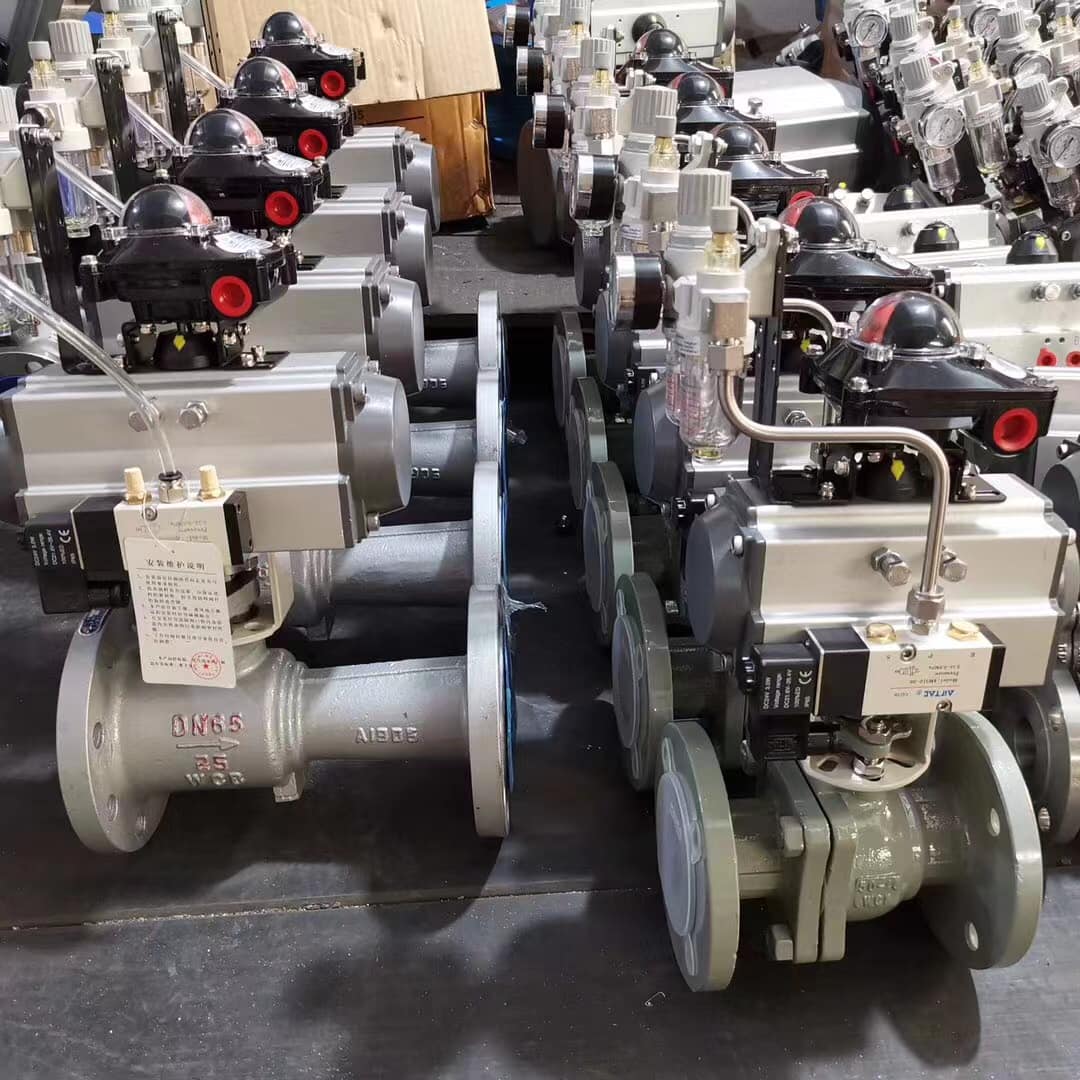
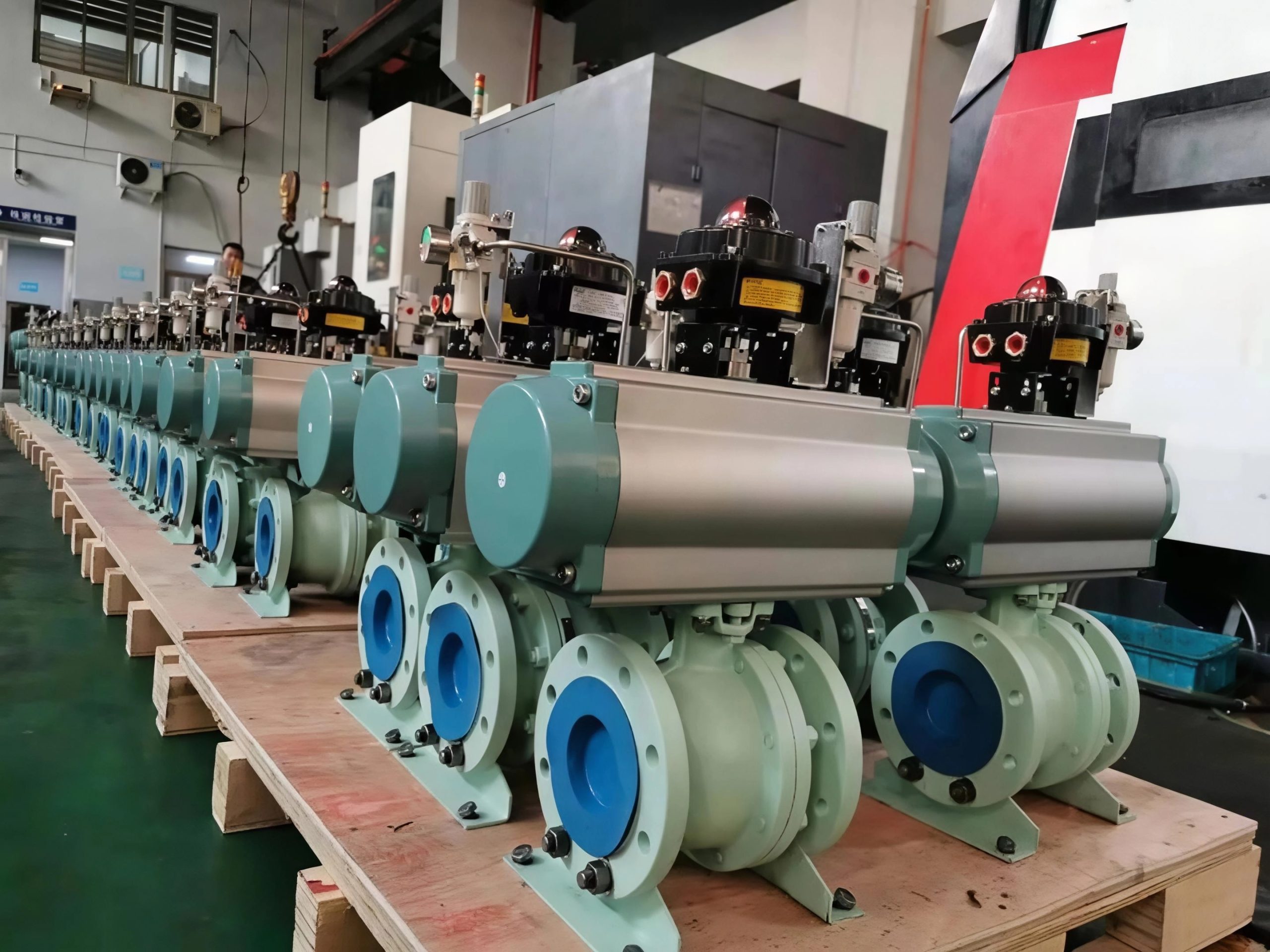
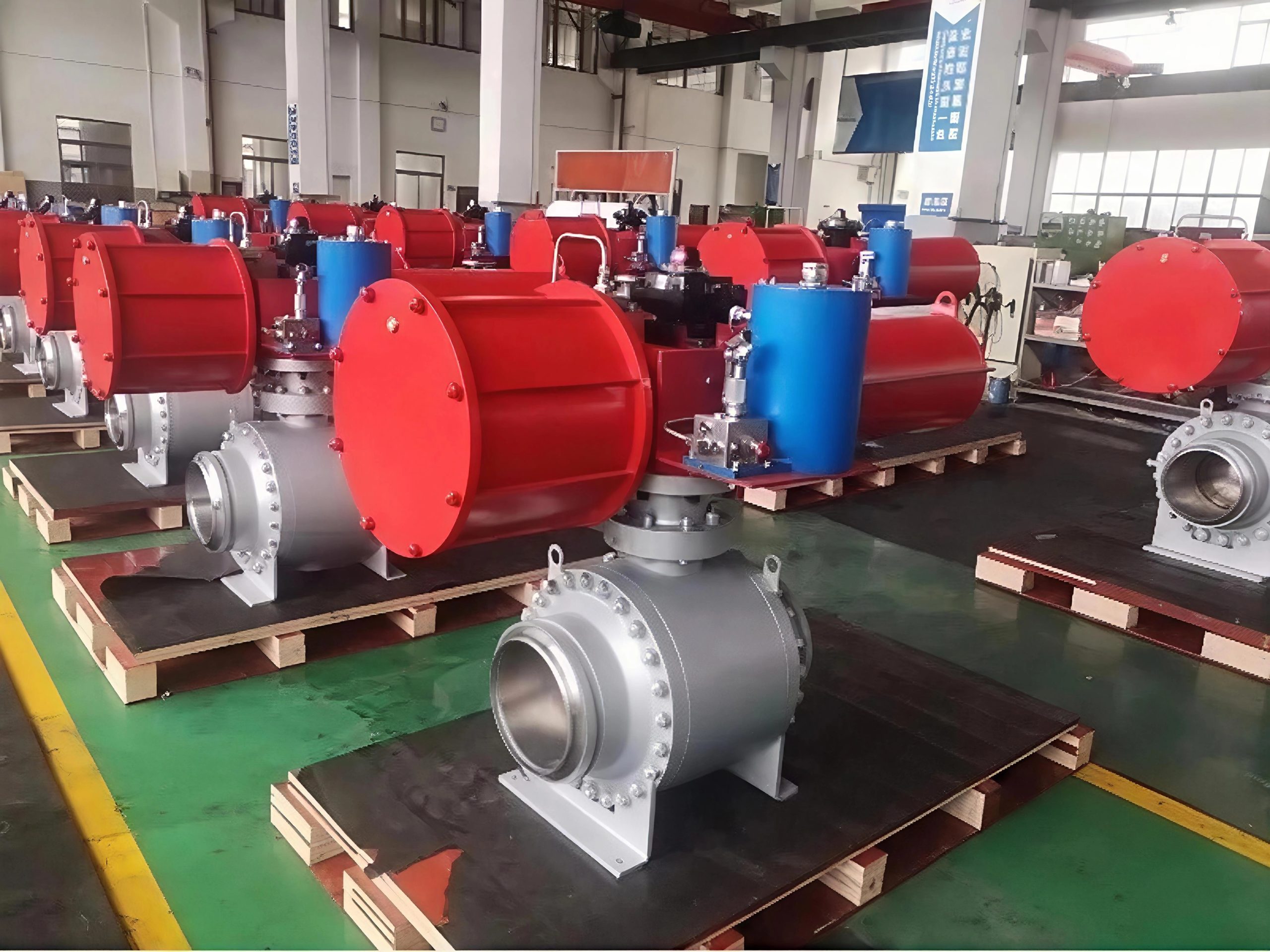
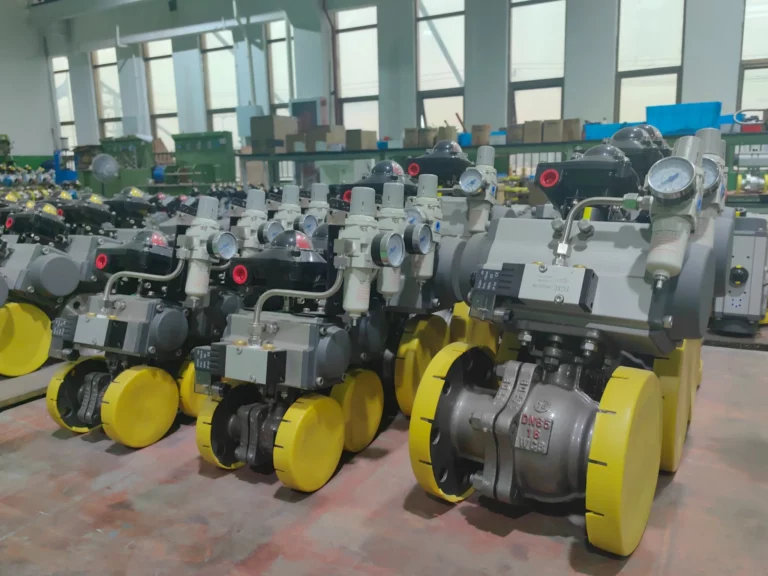
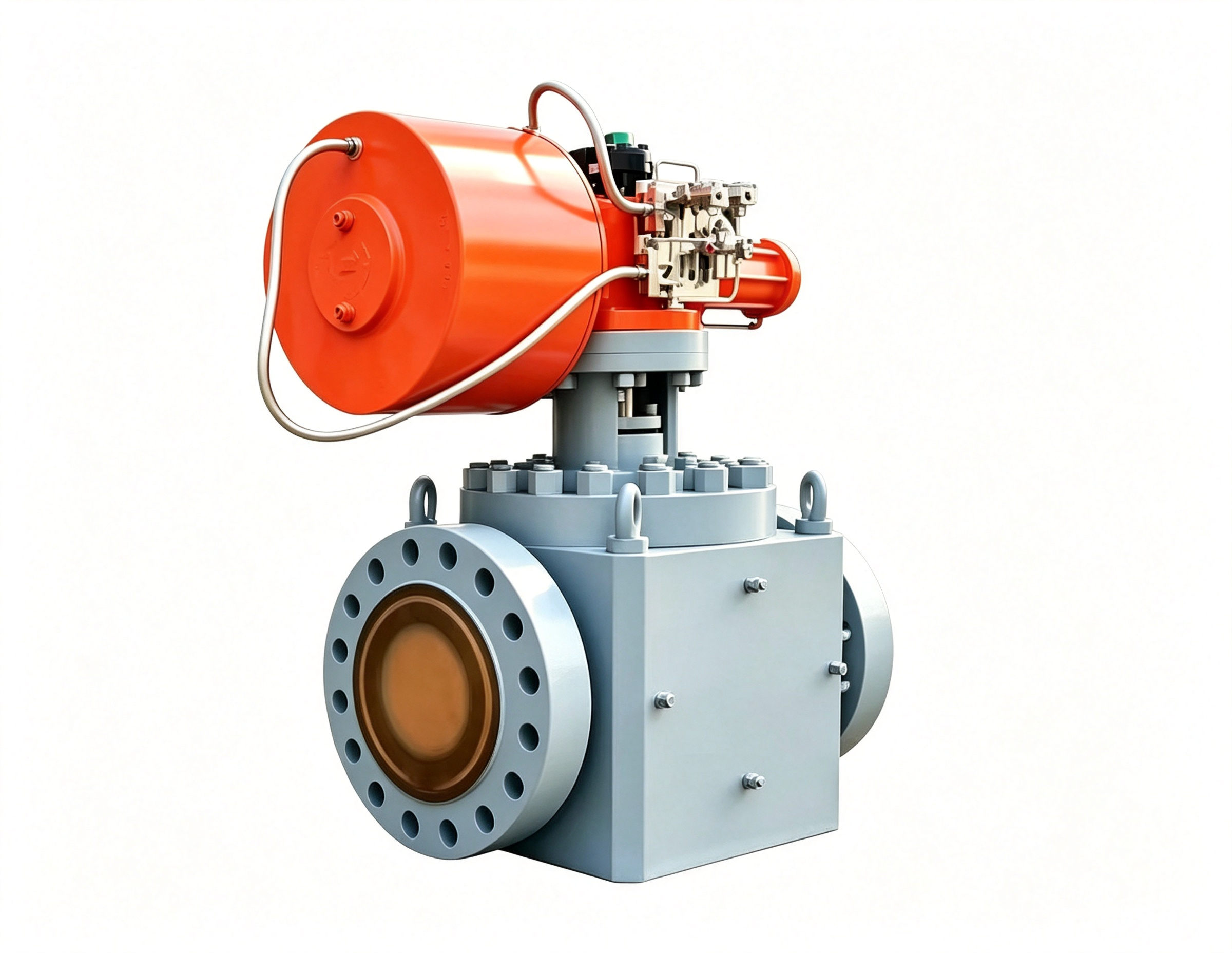
The Gas-Over-Oil High Pressure Ball Valve is a high-pressure pipeline shut-off valve equipped with a gas-over-oil actuator. It is designed for applications where reliable valve isolation, high operating torque, remote operation, and stable performance are required.
The valve package combines a high-pressure ball valve, gas-over-oil actuator, hydraulic transmission system, and control components into an integrated solution for high-pressure gas pipeline service.
It is especially suitable for natural gas transmission pipelines, pipeline stations, compressor stations, block valve stations, and other applications where conventional electric or compressed-air power may not always be available.
1.2 Gas-Over-Oil Operating Principle
The gas-over-oil actuator typically uses pipeline gas or an external gas source as the driving energy.
Gas pressure acts on hydraulic oil inside the system, and the hydraulic oil then transmits the pressure to the actuator mechanism. The actuator converts this hydraulic force into rotary torque, driving the ball valve through approximately 90 degrees from the fully open position to the fully closed position, or vice versa.
This operating principle combines the availability of gas power with the smooth and stable characteristics of hydraulic transmission.
1.3 Designed for High-Pressure Pipeline Service
High-pressure gas pipelines often require valves with dependable shut-off performance and sufficient actuator torque under demanding operating conditions.
The gas-over-oil high pressure ball valve is designed to meet these requirements by matching the valve, actuator output, hydraulic system, gas supply conditions, and control configuration according to the actual pipeline service conditions.
For remote pipeline installations, the ability to use pipeline gas as the energy source can also reduce dependence on external utility systems.
II. Product Features
2.1 Reliable High-Torque Operation
The gas-over-oil actuator provides the torque required to operate high-pressure quarter-turn ball valves.
The actuator can be selected according to the actual opening and closing torque of the valve, helping ensure stable operation throughout the full stroke.
This makes the system suitable for high-pressure pipelines, large-diameter valves, and applications where reliable valve movement is essential.
2.2 Smooth Hydraulic Transmission
Hydraulic oil is used as the transmission medium between the gas supply and the actuator mechanism.
Compared with direct gas actuation, hydraulic transmission provides smoother movement and allows the actuator force to be controlled more effectively.
It also helps separate the main actuator mechanism from direct exposure to pipeline gas and the contaminants that may be present in the medium.
2.3 Suitable for Remote Pipeline Locations
Where pipeline gas is used as the driving source, the actuator does not require a continuously available external compressed-air supply for normal valve operation.
This makes the system particularly suitable for long-distance transmission pipelines, remote block valve stations, and unattended or semi-unattended installations.
2.4 Local and Remote Operation
Depending on the selected control configuration, the valve package can support local opening and closing, remote operation, valve position feedback, and interlock control.
The system can also be configured to interface with the customer’s pipeline control system according to project requirements.
2.5 Emergency Shut-Off Configuration Available
For pipeline safety applications, the control system can be configured with emergency shut-off functions according to the project design.
Optional functions may include ESD control, automatic shut-off logic, line-break protection, or other pipeline safety functions.
These functions are selected according to the customer’s operating philosophy, pipeline safety requirements, and control system design.
2.6 Manual Emergency Operation Available
A manual hydraulic operating device can be provided according to the actuator configuration.
This allows the valve to be operated manually when the normal gas-powered control system is unavailable or when manual intervention is required during commissioning, maintenance, or emergency conditions.
III. Typical Applications
3.1 Long-Distance Natural Gas Pipelines
Gas-over-oil high pressure ball valves are widely suitable for shut-off and sectional isolation duties in long-distance natural gas transmission systems.
They can be installed at important pipeline isolation points to support normal operation, inspection, maintenance, and emergency isolation.
3.2 Block Valve Stations
The valve is suitable for block valve stations where reliable pipeline sectional isolation is required.
By combining the ball valve with a properly sized gas-over-oil actuator, the system can provide dependable operation under high-pressure gas service conditions.
3.3 Compressor Stations
In compressor station applications, the valve can be used for inlet and outlet isolation, process pipeline shut-off, and other positions where high-pressure gas flow needs to be reliably controlled.
3.4 Pigging Stations
The valve can be applied in pig launcher and receiver stations where reliable pipeline isolation is required during pigging operations, maintenance, inspection, and system preparation.
3.5 Gas Storage and Distribution Systems
The product can also be used in gas storage facilities, gas transmission and distribution stations, and other high-pressure gas handling systems where secure shut-off and automated valve operation are required.
3.6 Remote and Unattended Installations
Because the actuator can be designed to use pipeline gas as its energy source, the valve package is suitable for remote locations where external power or centralized compressed air may be limited.
IV. Valve and Actuator Configuration
4.1 High-Pressure Ball Valve
The high-pressure ball valve provides the primary pipeline shut-off and isolation function.
The valve body, ball, seat, stem, sealing system, and end connections are selected according to the project requirements and actual operating conditions.
Valve size, pressure class, material, connection type, and sealing materials should be confirmed according to the pipeline medium, pressure, temperature, applicable standards, and customer specifications.
4.2 Gas-Over-Oil Actuator
The gas-over-oil actuator converts gas pressure into hydraulic power and then converts hydraulic force into mechanical torque.
The actuator is matched with the valve based on the required opening torque, closing torque, available gas pressure, operating time, and required safety factor.
4.3 Hydraulic System
The hydraulic system transfers energy from the gas supply to the actuator.
Its configuration can include hydraulic oil reservoirs, tubing, control valves, pressure-regulating components, and other hydraulic elements according to the actuator design.
The hydraulic circuit is designed to provide stable and controlled valve operation.
4.4 Gas Control System
The gas control section manages the gas supply used to operate the actuator.
Depending on the project requirements, the control system can include filtration, pressure control, directional control, isolation components, and other necessary accessories.
4.5 Position Indication and Feedback
Valve position indication can be provided to show whether the valve is fully open, fully closed, or in another operating condition depending on the system design.
Electrical position feedback can also be configured where remote monitoring is required.
4.6 Control Interface
The complete valve package can be configured for connection with the customer’s control system.
Depending on project requirements, local control, remote control, interlock signals, open/close feedback, and emergency shutdown signals can be incorporated.
V. Product Advantages
5.1 Reduced Dependence on External Power
For installations using pipeline gas as the driving source, the system can operate without relying entirely on an external electric motor or a centralized compressed-air network.
This is particularly useful for remote pipeline locations.
5.2 Strong Adaptability to Pipeline Conditions
The complete valve package can be designed according to the actual pipeline pressure, valve size, operating torque, gas source pressure, installation environment, and control requirements.
This allows the product to be adapted to different gas transmission projects rather than using a single fixed configuration.
5.3 Integrated Valve Automation Solution
The ball valve, actuator, hydraulic system, gas control system, and control interface can be engineered as a complete package.
This helps reduce compatibility problems between individually selected components and improves the overall reliability of the valve automation system.
5.4 Suitable for New Projects and Retrofit Projects
The valve package can be supplied for both new pipeline construction and existing pipeline upgrades.
For retrofit projects, the actuator arrangement, connection dimensions, control interface, and installation layout can be adapted according to the available site conditions.
5.5 Support for Pipeline Safety Functions
Where required by the project, additional safety functions such as ESD or automatic shut-off can be incorporated into the control system.
This allows the valve package to support the overall pipeline safety and isolation strategy.
VI. Technical Parameters
6.1 General Specifications
| Item | Specification |
|---|---|
| Product Name | Gas-Over-Oil High Pressure Ball Valve |
| Valve Type | High Pressure Ball Valve |
| Actuation | Gas-Over-Oil |
| Valve Motion | Quarter-Turn |
| Main Function | On/Off and Pipeline Isolation |
| Driving Source | Pipeline Gas / External Gas Source, as specified |
| Transmission Medium | Hydraulic Oil |
| Nominal Size | According to project requirements |
| Pressure Rating | According to project requirements |
| Operating Temperature | According to project requirements |
| Valve Body Material | Selected according to service conditions |
| Ball and Seat Material | Selected according to service conditions |
| End Connection | Flanged / Butt-Welded / As specified |
| Control Mode | Local / Remote / Interlock, according to configuration |
| Position Feedback | Available |
| Manual Override | Available according to configuration |
| ESD Function | Optional |
| Automatic Shut-Off | Optional |
| Line-Break Protection | Optional |
| Custom Design | Available |
6.2 Actuator Selection Parameters
The gas-over-oil actuator should be selected according to:
- Valve opening torque
- Valve closing torque
- Maximum operating torque
- Available gas supply pressure
- Pipeline operating pressure
- Required operating time
- Valve size
- Pressure class
- Required safety factor
- Ambient conditions
- Control and shutdown requirements
VII. Selection and Project Support
7.1 Information Required for Valve Selection
For accurate valve selection, customers are recommended to provide:
- Nominal valve size
- Pressure class
- Pipeline medium
- Normal operating pressure
- Maximum operating pressure
- Design pressure
- Operating temperature
- Design temperature
- End connection type
- Applicable valve standard
- Required valve body material
- Required seat and sealing materials
7.2 Information Required for Actuator Sizing
For actuator sizing, the following information is important:
- Valve torque requirements
- Minimum available gas pressure
- Maximum available gas pressure
- Required opening time
- Required closing time
- Required safety factor
- Manual override requirements
- Installation orientation
- Ambient temperature
7.3 Control Requirements
Customers can also provide the required control philosophy, including:
- Local operation
- Remote operation
- Open/close feedback
- Interlock control
- ESD requirement
- Automatic shut-off requirement
- Line-break protection requirement
- Remote monitoring requirement
- Control signal type
- Power supply for electrical accessories, if required
7.4 Customized for Actual Pipeline Conditions
Different pipeline projects can have significantly different requirements in pressure, diameter, control philosophy, installation environment, and actuator torque.
The gas-over-oil high pressure ball valve can therefore be configured according to the customer’s actual project conditions.
By matching the ball valve, actuator torque, gas source, hydraulic system, control components, and safety functions, the complete valve package can better meet the requirements of installation, operation, maintenance, and pipeline isolation.
7.5 Complete Valve Automation Support
For new pipeline projects, station construction, equipment replacement, and automation upgrades, we can provide support from valve selection and actuator sizing through control configuration and complete package matching.