I. Product Overview
1.1 Product Description
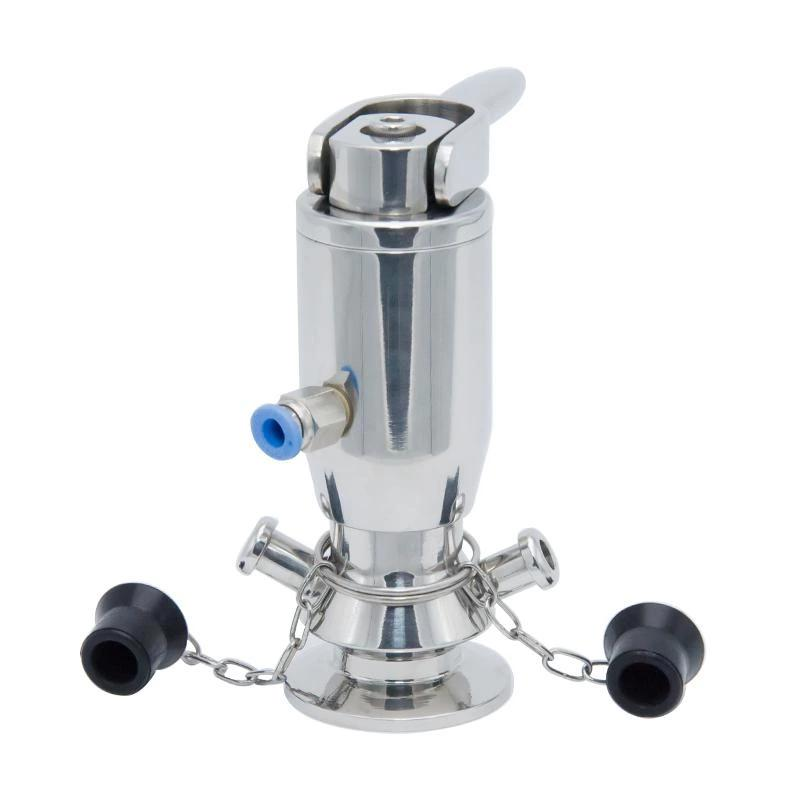
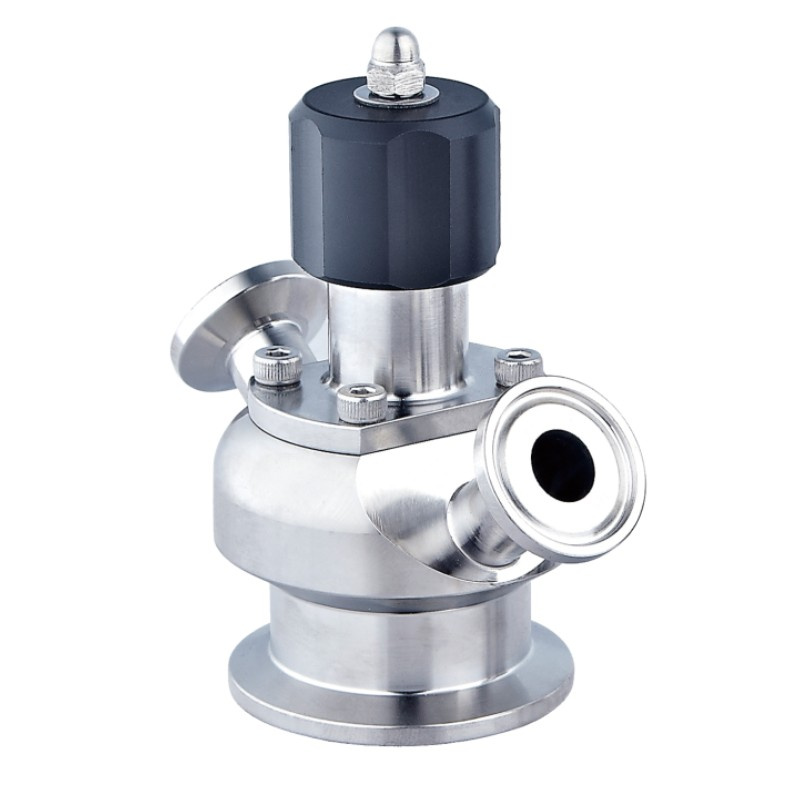
The Aseptic Sampling Valve is designed for representative sampling from tanks, vessels, and process pipelines under hygienic or aseptic conditions. It allows operators to collect process samples for quality control and laboratory analysis while minimizing the risk of contamination to both the sample and the process medium.
Aseptic sampling valves are widely used in pharmaceutical, biotechnology, food, beverage, dairy, brewery, and other hygienic processing applications where product purity and sampling reliability are important.
The valve can be configured for different installation and operating requirements, including manual or pneumatic operation and various process connection options.
1.2 Aseptic Sampling Principle
During normal production, the valve remains closed to isolate the process medium from the external environment.
When a sample is required, the valve is opened and a controlled quantity of product flows through the sampling outlet into the sampling container. After sampling, the valve is closed again to isolate the process line.
Depending on the valve design, the sampling chamber and outlet can be cleaned or sterilized before and/or after sampling, helping reduce the possibility of secondary contamination and improving the reliability of subsequent samples.
1.3 Designed for Hygienic Processing
The product-contact area is designed to support hygienic operation and effective cleaning. Suitable sealing and isolation structures help separate the process medium from the external environment.
Different aseptic sampling valve designs may use diaphragms, membranes, PTFE bellows, stainless steel bellows, or other hygienic sealing concepts depending on the process requirements.
II. Product Features
2.1 Representative and Reliable Sampling
The valve enables a controlled portion of the process medium to be withdrawn directly from the pipeline or vessel.
This allows customers to obtain representative samples for product testing, microbiological analysis, quality control, and process monitoring without opening the main process system.
2.2 Reduced Risk of Sample Contamination
A key purpose of an aseptic sampling valve is to protect the sampling process from external contamination.
By isolating the product from the surrounding atmosphere when the valve is closed and allowing the sampling path to be cleaned or sterilized where required, the valve helps maintain sample integrity and improve the reliability of analytical results.
2.3 Cleaning and Sterilization Capability
Depending on the selected configuration, the sampling path can be designed for cleaning and sterilization before and after sampling.
Certain aseptic sampling valve designs support sterilization using steam or suitable sterilizing fluids. The exact cleaning and sterilization procedure should be selected according to the valve construction, sealing materials, and process requirements.
2.4 Manual or Pneumatic Operation
The valve can be configured with manual or pneumatic operation according to the level of process automation required.
Manual operation provides a simple solution for routine sampling points, while pneumatic actuation can be used where automated operation or integration with the process control system is required.
2.5 Hygienic Process Connections
Different connection arrangements can be provided to suit tanks, vessels, and process pipelines.
Depending on project requirements, connection options may include welded, clamp-type, threaded, or other hygienic process connections.
2.6 Compact Installation
The compact valve arrangement makes it suitable for installation directly on process pipelines, tanks, and vessels where frequent or periodic sampling is required.
For new installations or existing process upgrades, the connection and operating arrangement can be selected according to the available installation space.
III. Typical Applications
3.1 Pharmaceutical and Biotechnology
Aseptic sampling valves can be used in pharmaceutical and biotechnology processing systems where maintaining hygienic or aseptic conditions during sampling is critical.
Typical applications include process vessels, preparation systems, fermentation processes, and other high-purity liquid processing systems.
3.2 Food and Beverage
The valve is suitable for hygienic sampling in food and beverage production lines, allowing product samples to be collected for quality evaluation without unnecessarily exposing the process medium to the surrounding environment.
3.3 Dairy Processing
In dairy applications, aseptic sampling can be used for process monitoring and quality control of milk and other liquid dairy products.
Hygienic valve construction also facilitates integration with sanitary processing equipment.
3.4 Brewery and Fermentation
The valve can be installed on tanks and pipelines for sampling during brewing and fermentation processes.
Membrane-type aseptic sampling valves are also used for products with relatively high viscosity, including applications such as yeast sampling.
3.5 High-Purity Process Systems
Aseptic sampling valves can also be applied to other hygienic or high-purity process systems where representative sampling and contamination control are required.
IV. Valve Configuration
4.1 Valve Body
The valve body provides the connection between the process system and the sampling outlet.
Material, internal surface requirements, connection type, and dimensions can be selected according to the process medium and hygienic requirements.
4.2 Sealing Element
The sealing element isolates the process medium when the valve is closed.
Depending on the design, membrane, diaphragm, bellows, or other hygienic sealing arrangements may be used to provide effective process isolation.
4.3 Sampling Outlet
The sampling outlet directs the process sample into the customer’s sampling container.
Outlet configuration can be selected according to the required sampling procedure, cleaning method, and installation arrangement.
4.4 Operating Mechanism
Manual operation is suitable for conventional sampling points where samples are collected directly by an operator.
Pneumatic operation can be selected for automated systems or applications requiring remote valve actuation.
V. Product Advantages
5.1 Helps Maintain Sample Integrity
By providing a dedicated sampling point, the valve helps reduce unnecessary exposure of the process medium to the external environment and supports more reliable sample collection.
5.2 Supports Hygienic Production
The valve can be integrated directly into hygienic process pipelines and vessels, allowing sampling to become part of the production system rather than requiring the process equipment to be opened.
5.3 Helps Reduce Cross-Contamination Risk
Appropriate hygienic design, cleaning, and sterilization procedures can help reduce residual product and external contamination in the sampling path, improving repeatability between samples.
5.4 Flexible Operation
Manual and pneumatic configurations allow the valve to be adapted to different levels of process automation.
Connection, sealing, and sampling arrangements can also be selected according to the customer’s actual process conditions.
5.5 Suitable for New and Existing Systems
The valve can be selected for new hygienic process installations or existing production line upgrades.
Different installation connections and operating configurations make it possible to match the sampling point to the customer’s tank or pipeline arrangement.
VI. Technical Parameters
6.1 General Specifications
| Item | Specification |
|---|---|
| Product Name | Aseptic Sampling Valve |
| Valve Type | Hygienic / Aseptic Sampling Valve |
| Function | Process Sampling |
| Operation | Manual / Pneumatic |
| Installation | Pipeline / Tank / Vessel |
| Body Material | According to process requirements |
| Sealing Material | According to medium and sterilization conditions |
| Process Connection | Welded / Clamp / Threaded / Customized |
| Sampling Outlet | According to sampling requirements |
| Working Pressure | According to valve configuration |
| Working Temperature | According to valve and sealing materials |
| Cleaning | According to process requirements |
| Sterilization | Available according to configuration |
| Custom Design | Available |
6.2 Optional Configurations
Depending on the application, the valve can be configured with different:
- Actuation methods
- Process connections
- Sampling outlets
- Sealing materials
- Valve body materials
- Cleaning and sterilization arrangements
- Position feedback or automation components
VII. Selection and Project Support
7.1 Information Required for Selection
For proper valve selection, customers are recommended to provide the process medium, operating pressure, operating temperature, pipeline or tank connection, sampling method, cleaning procedure, sterilization requirements, and preferred operating method.
For pharmaceutical, biotechnology, food, and other hygienic applications, any required material documentation, surface finish, or industry-specific requirements should also be specified during the selection stage.
7.2 Manual and Pneumatic Configuration
For routine sampling where an operator is present, a manual valve provides a simple and practical solution.
For automated production lines, pneumatic operation can be selected and combined with the appropriate control and feedback components according to the customer’s process requirements.
7.3 Matching the Valve to the Sampling Process
Different products and processes require different sampling methods. The valve configuration should therefore be selected according to the characteristics of the medium, required sample volume, sampling frequency, cleaning method, and required level of sterility.
By matching the valve body, sealing system, connection, actuator, and sampling outlet to the actual process, customers can obtain a sampling solution better suited to their production and quality-control requirements.
7.4 Customized Sampling Solutions
For new production lines and existing system upgrades, the aseptic sampling valve can be configured according to the customer’s pipeline, tank, operating method, and hygienic requirements.