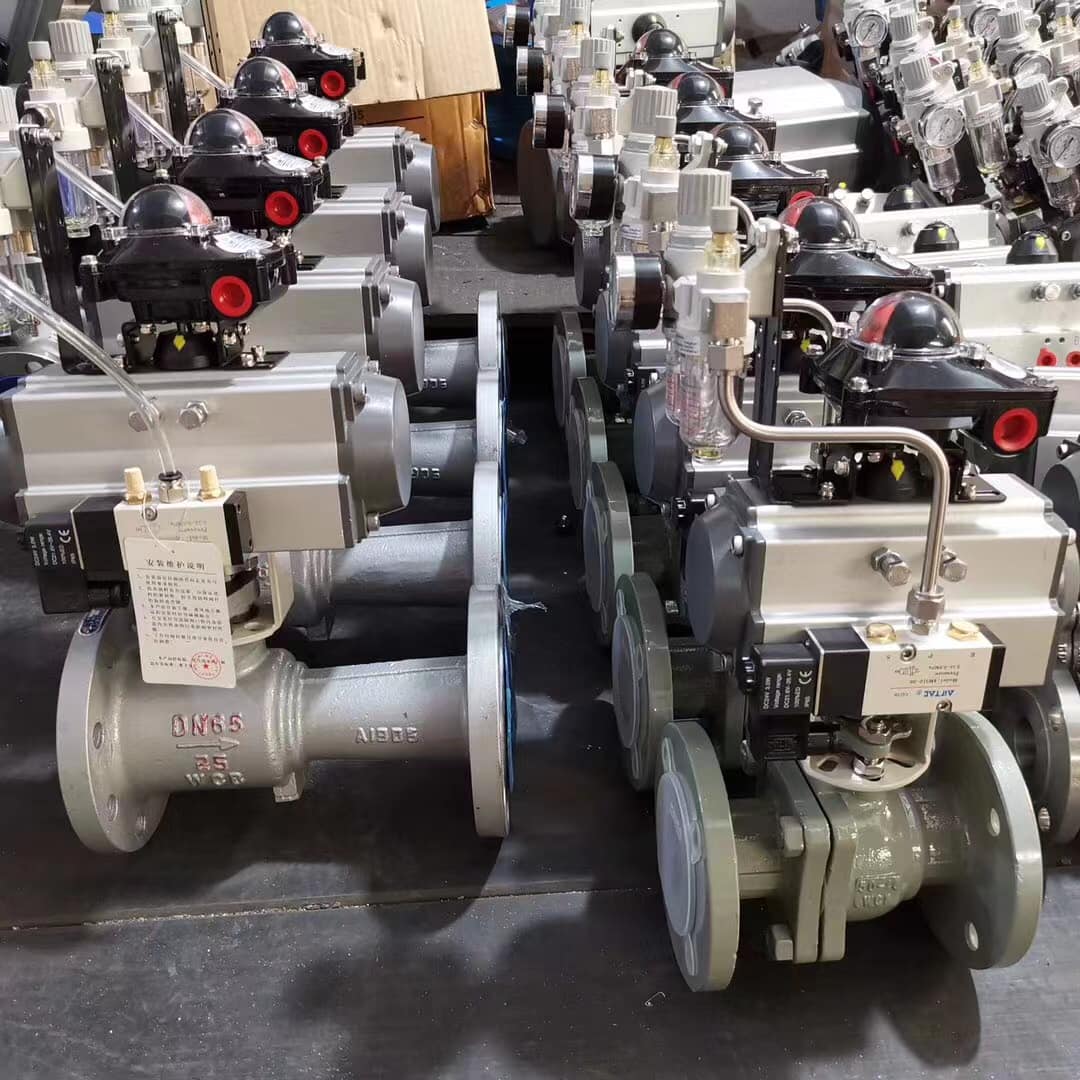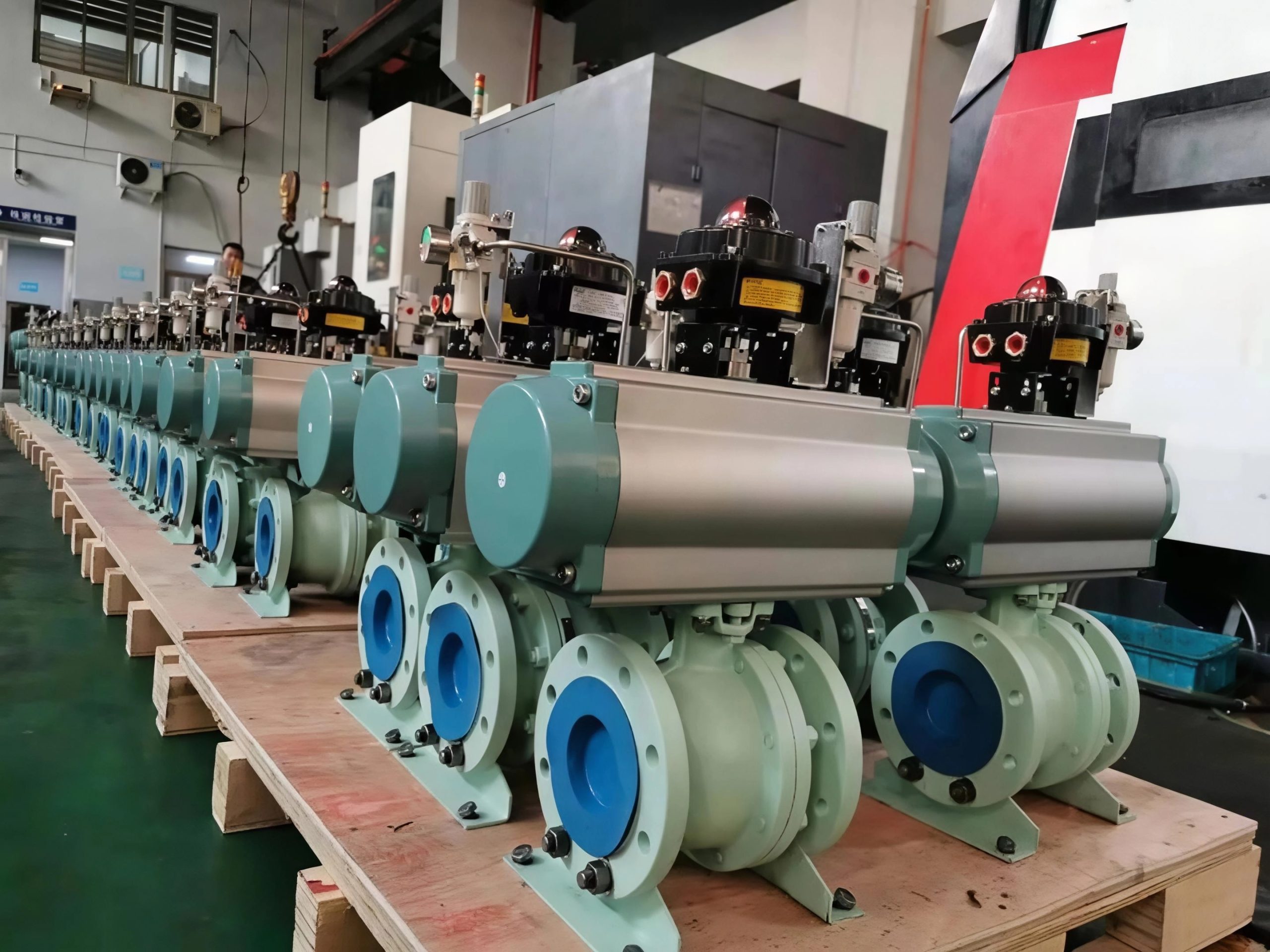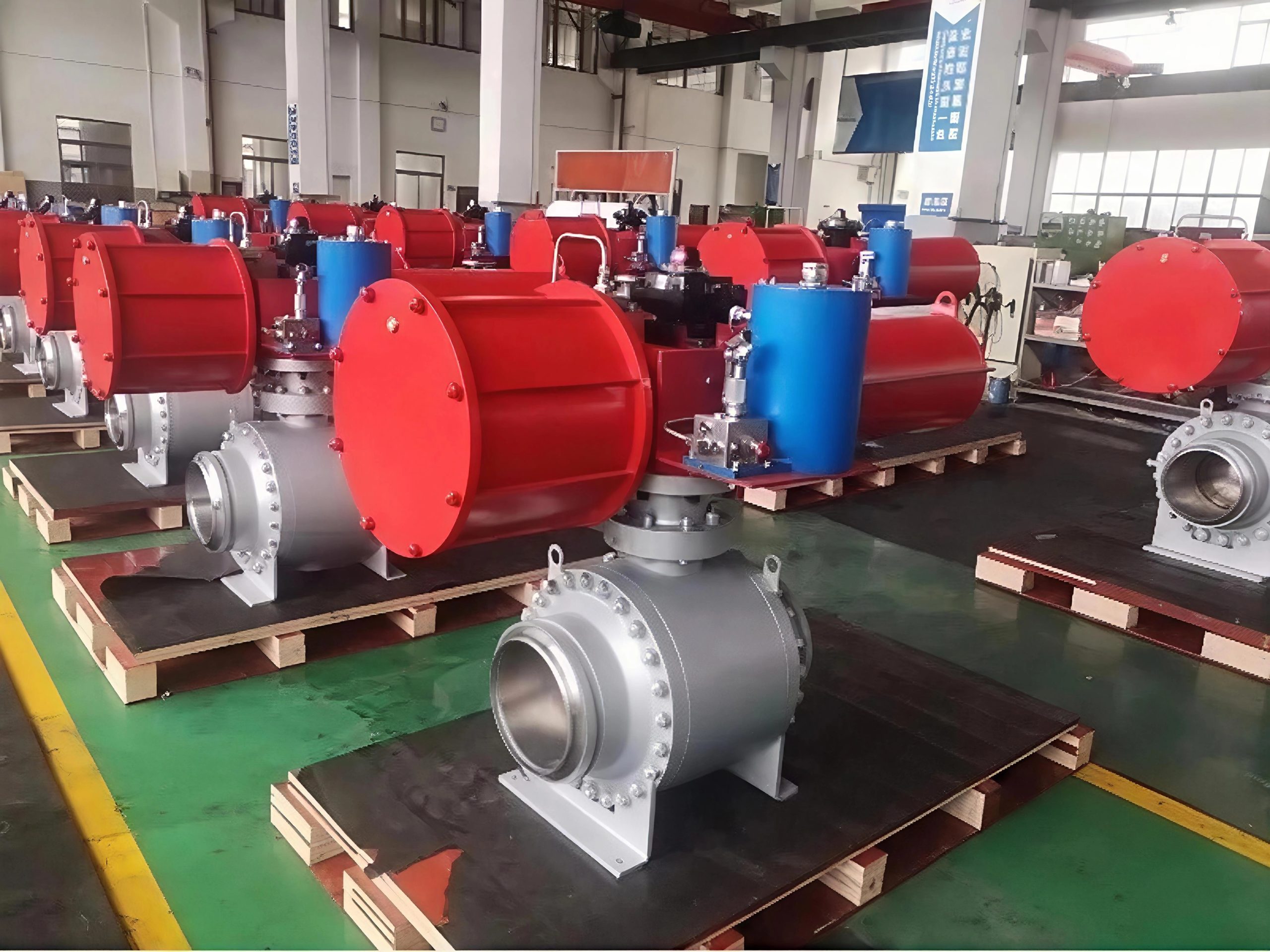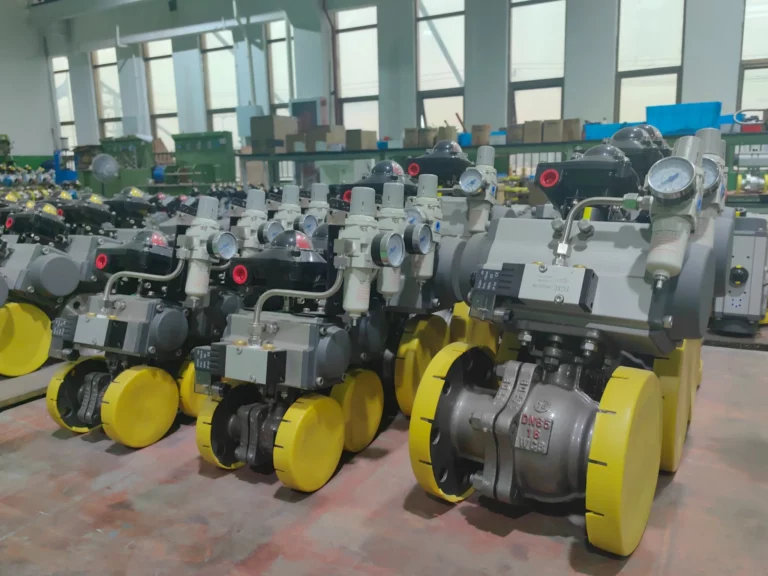
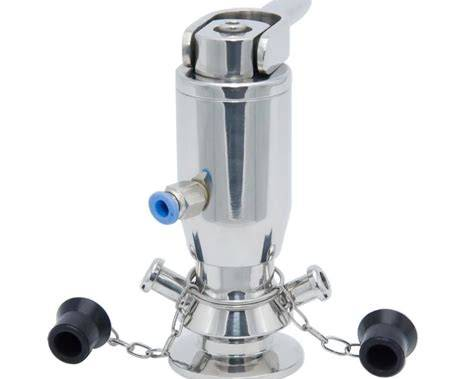
The Pneumatic Aseptic Sampling Valve is designed for hygienic and aseptic sampling from tanks, vessels, and process pipelines. The valve uses a pneumatic actuator to control opening and closing, making it suitable for automated production systems, remote operation, and applications requiring frequent sampling.
Its sanitary stainless steel construction and hygienic sealing design help reduce contamination risks during the sampling process. Depending on the configuration, the valve can be sterilized before and after sampling to maintain clean sampling conditions.
The valve is suitable for food, beverage, dairy, brewery, pharmaceutical, and other hygienic processing systems.
一、Product Overview
1.1 Main Function
The Pneumatic Aseptic Sampling Valve is used to collect representative product samples from tanks or process pipelines while maintaining hygienic operating conditions.
Pneumatic actuation allows the valve to be integrated into automated production systems and controlled remotely.
1.2 Valve Construction
The valve typically consists of:
- Stainless steel valve body
- Pneumatic actuator
- Valve stem
- Hygienic sealing element
- Sampling outlet
- Sterilization or flushing connection
- Process connection
1.3 Operation
Compressed air activates the pneumatic actuator, causing the valve stem and sealing element to retract and opening the sampling passage.
When the actuator is released, the valve returns to the closed position according to its actuator design.
二、Product Features
2.1 Pneumatic Operation
Pneumatic actuation provides fast and repeatable valve operation and allows integration with automated process control systems.
2.2 Hygienic Stainless Steel Construction
The valve can be manufactured from AISI 304 or AISI 316L stainless steel, depending on application requirements.
2.3 Aseptic Sampling Design
The valve is designed to support hygienic sampling while reducing the risk of contamination between the process medium and the external environment.
2.4 Sterilization Capability
The sampling channel can be configured for sterilization before and after sampling.
2.5 Compact Installation
The compact construction makes the valve suitable for installation on tanks, vessels, and sanitary process pipelines.
2.6 Automated Sampling
The pneumatic actuator allows the valve to be connected to process control systems for automatic or remotely controlled sampling.
三、Technical Specifications
| Item | Specification |
|---|---|
| Product Name | Pneumatic Aseptic Sampling Valve |
| Body Material | AISI 304 / AISI 316L |
| Seal Material | EPDM / PTFE |
| Connection Size | 1/2″–2″ |
| Max. Working Pressure | 10 bar |
| Working Temperature | -10°C to 120°C |
| Operation | Pneumatic |
| Installation | Tank / Vessel / Pipeline |
| Connection | Sanitary Clamp / Weld / Other Options |
| Application | Hygienic and Aseptic Sampling |
以上这些规格范围来自可核验的厂家产品资料,其中一类无菌取样阀明确给出 1/2″–2″、304/316L、EPDM/PTFE、最高 10 bar、-10°C 至 120°C,并提供气动操作。
四、Working Principle
4.1 Closed Position
When no compressed air signal is applied, the valve remains closed and isolates the sampling outlet from the process medium.
4.2 Pneumatic Opening
When compressed air is supplied to the actuator, the actuator moves the valve stem and sealing element away from the valve seat.
This opens the sampling passage and allows product to flow through the sampling outlet.
4.3 Sampling
The required amount of process medium is collected through the sampling outlet.
The valve can be controlled locally or as part of an automated sampling system.
4.4 Closing and Sterilization
After sampling, the pneumatic signal is removed and the valve returns to its closed position.
Depending on the configuration, the sampling passage can then be flushed or sterilized before the next sampling cycle.
五、Applications
5.1 Food and Beverage Processing
Suitable for hygienic sampling in:
- Beverage Production
- Fruit Juice Processing
- Liquid Food Processing
- Brewery Systems
5.2 Dairy Processing
Suitable for:
- Milk Processing
- Dairy Production Lines
- Hygienic Storage Tanks
5.3 Pharmaceutical and Hygienic Processing
Suitable for applications requiring controlled and repeatable sampling from clean process systems.
5.4 Tank and Pipeline Sampling
The valve can be installed on:
- Process Tanks
- Storage Vessels
- Fermentation Tanks
- Process Pipelines
- Hygienic Production Lines
六、Available Configurations
6.1 Connection Options
Available configurations may include:
- Tri-Clamp Connection
- Weld Connection
- Tank Connection
- Pipeline Connection
6.2 Seal Options
Common sealing materials include:
- EPDM
- PTFE
6.3 Installation Options
- Tank Mounted
- Vessel Mounted
- Pipeline Mounted
6.4 Control Options
The pneumatic actuator can be integrated with:
- Solenoid Valves
- Position Sensors
- Control Systems
- Automated Sampling Systems
七、Advantages
7.1 Automatic Operation
The valve can be operated without direct manual intervention.
7.2 Repeatable Sampling
Pneumatic actuation provides consistent opening and closing during repeated sampling cycles.
7.3 Suitable for Remote Control
The valve can be controlled from a central process control system.
7.4 Hygienic Design
Smooth stainless steel surfaces and hygienic sealing help improve cleanability.
7.5 Suitable for Frequent Sampling
Pneumatic operation makes the valve particularly suitable for processes requiring frequent or scheduled sampling.
八、How to Select
8.1 Confirm the Process Medium
Consider the chemical properties, temperature, viscosity, and hygiene requirements of the medium.
8.2 Select the Body Material
AISI 304 can be used for many general hygienic applications, while AISI 316L is commonly selected where improved corrosion resistance is required.
8.3 Select the Seal Material
EPDM or PTFE should be selected according to temperature, chemical compatibility, and cleaning requirements.
8.4 Confirm the Connection Size
Typical reference sizes range from 1/2″ to 2″.
8.5 Confirm the Air Supply
The pneumatic actuator must be matched to the available compressed-air system and required operating cycle.
九、Maintenance
9.1 Routine Inspection
Regularly inspect:
- Pneumatic actuator
- Valve stem
- Sealing components
- Sampling outlet
- Process connections
9.2 Seal Replacement
Replace seals when wear, leakage, or reduced sealing performance is detected.
9.3 Cleaning
The product-contact and sampling areas should be cleaned according to process hygiene requirements.
9.4 Pneumatic System
Check the air supply, tubing, and actuator periodically to ensure reliable operation.
十、FAQ
10.1 What is a Pneumatic Aseptic Sampling Valve?
It is a sampling valve that uses a pneumatic actuator to open and close the sampling passage for hygienic or aseptic process sampling.
10.2 Where can it be installed?
It can be installed on tanks, vessels, and process pipelines.
10.3 What materials are available?
Typical configurations use AISI 304 or AISI 316L stainless steel.
10.4 What seal materials are available?
EPDM and PTFE are common options.
10.5 What is the maximum working pressure?
The verified reference configuration is rated up to 10 bar.
10.6 Can it be connected to an automatic control system?
Yes. Pneumatic operation makes it suitable for integration with automated process systems.