一.Product Introduction
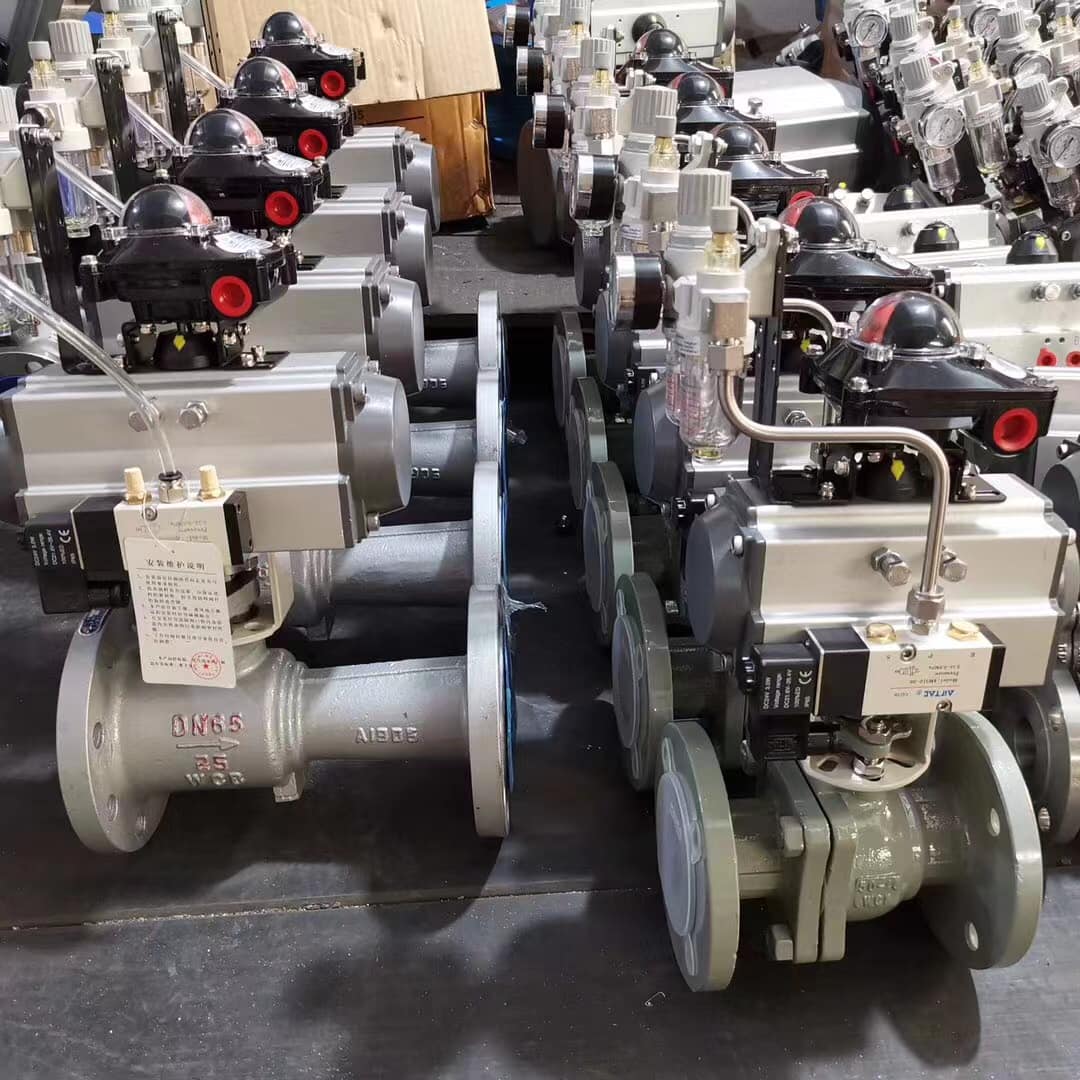
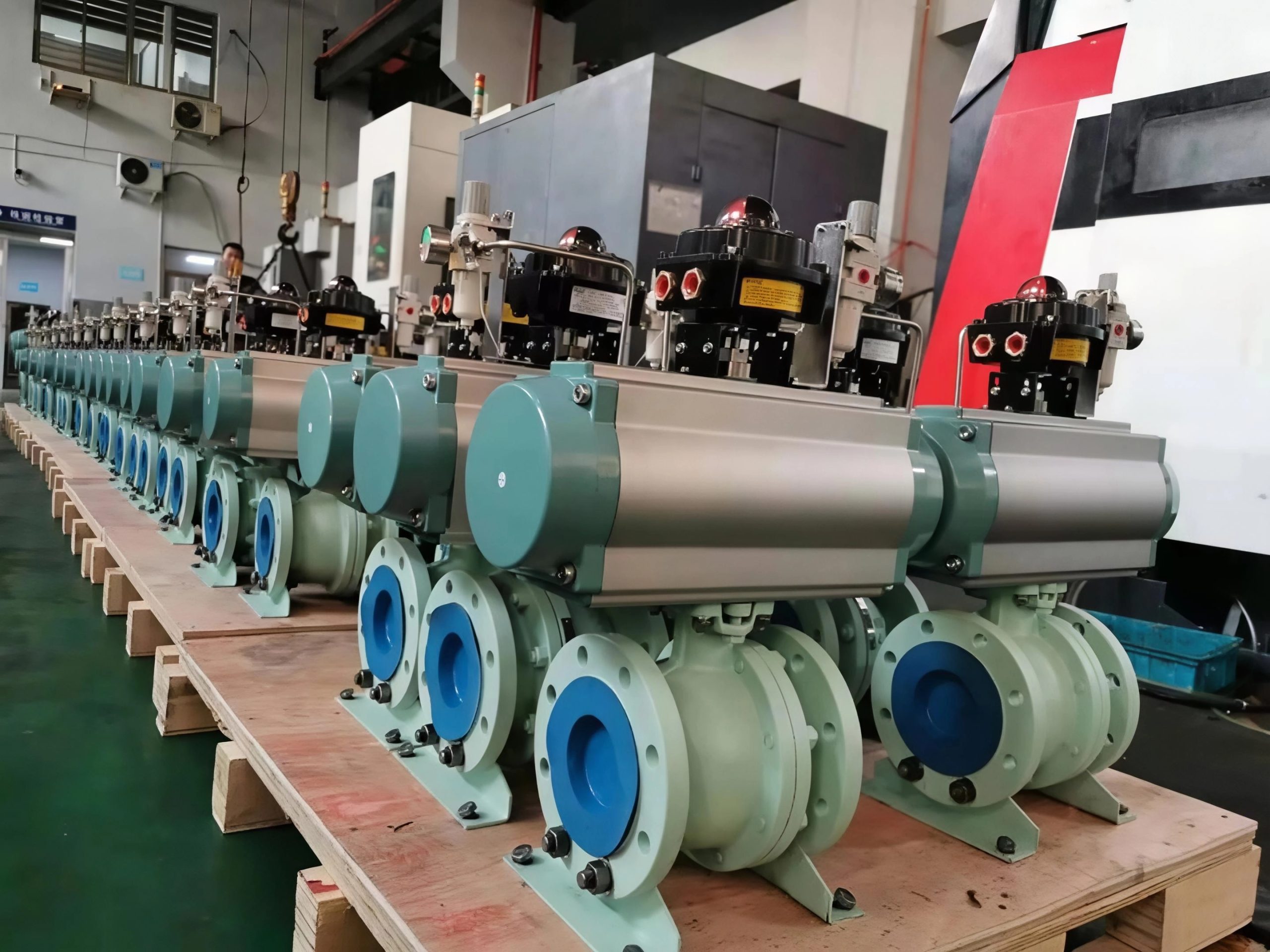
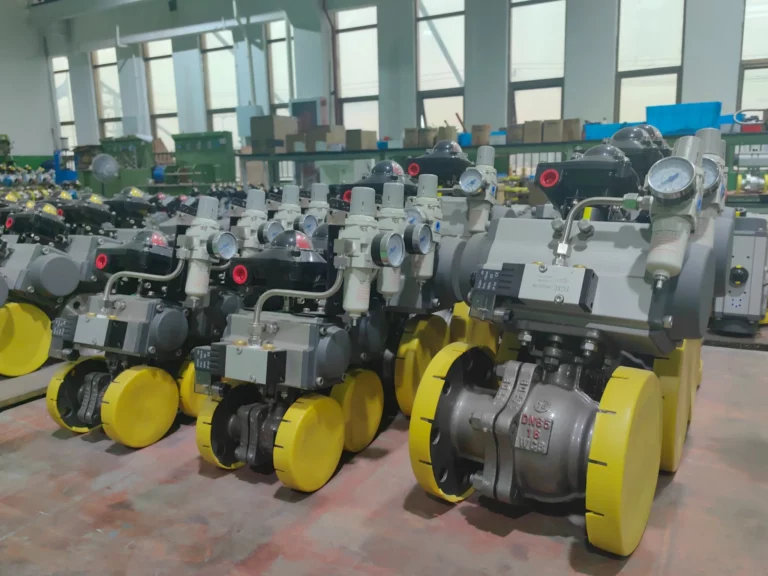
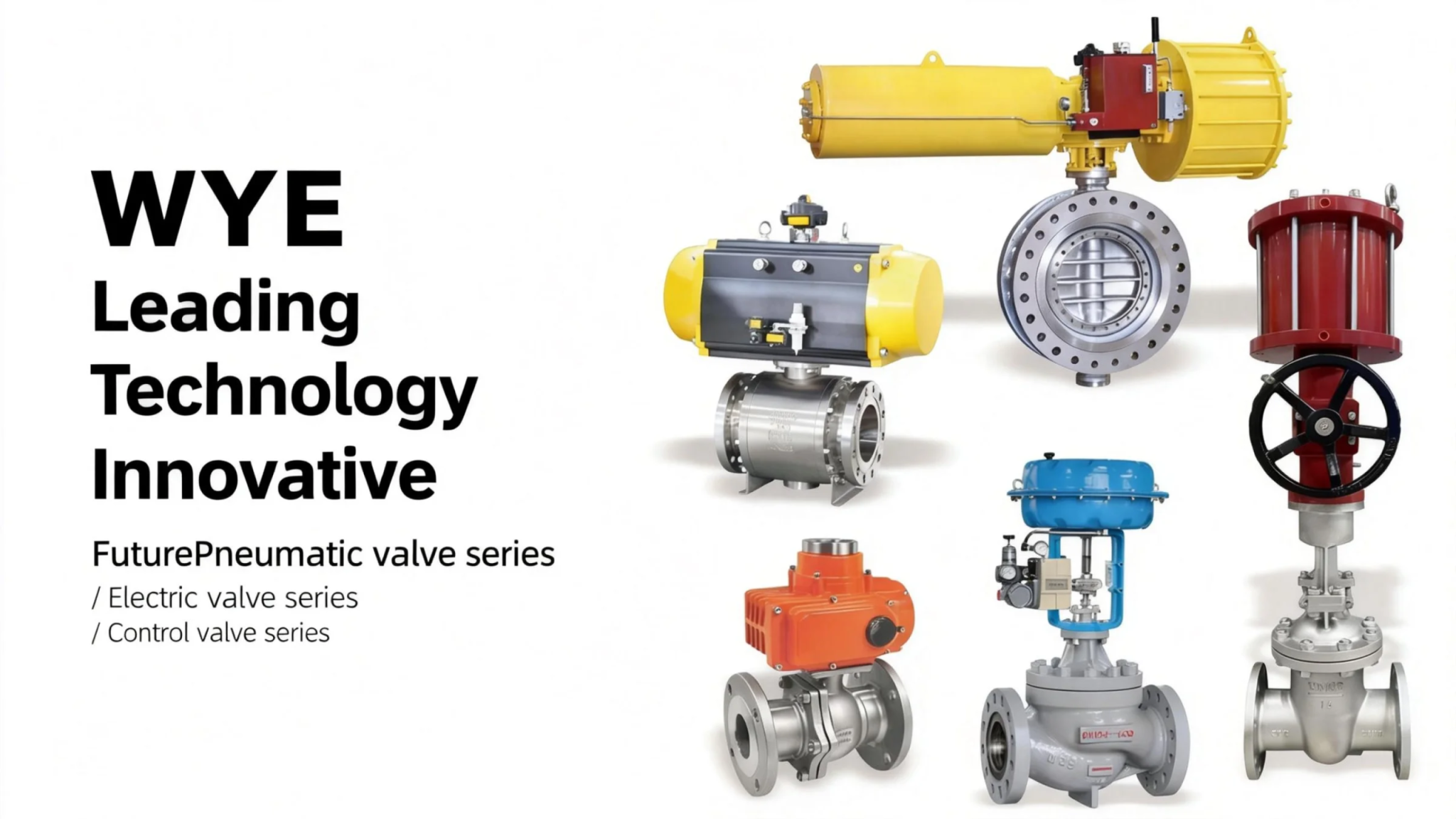
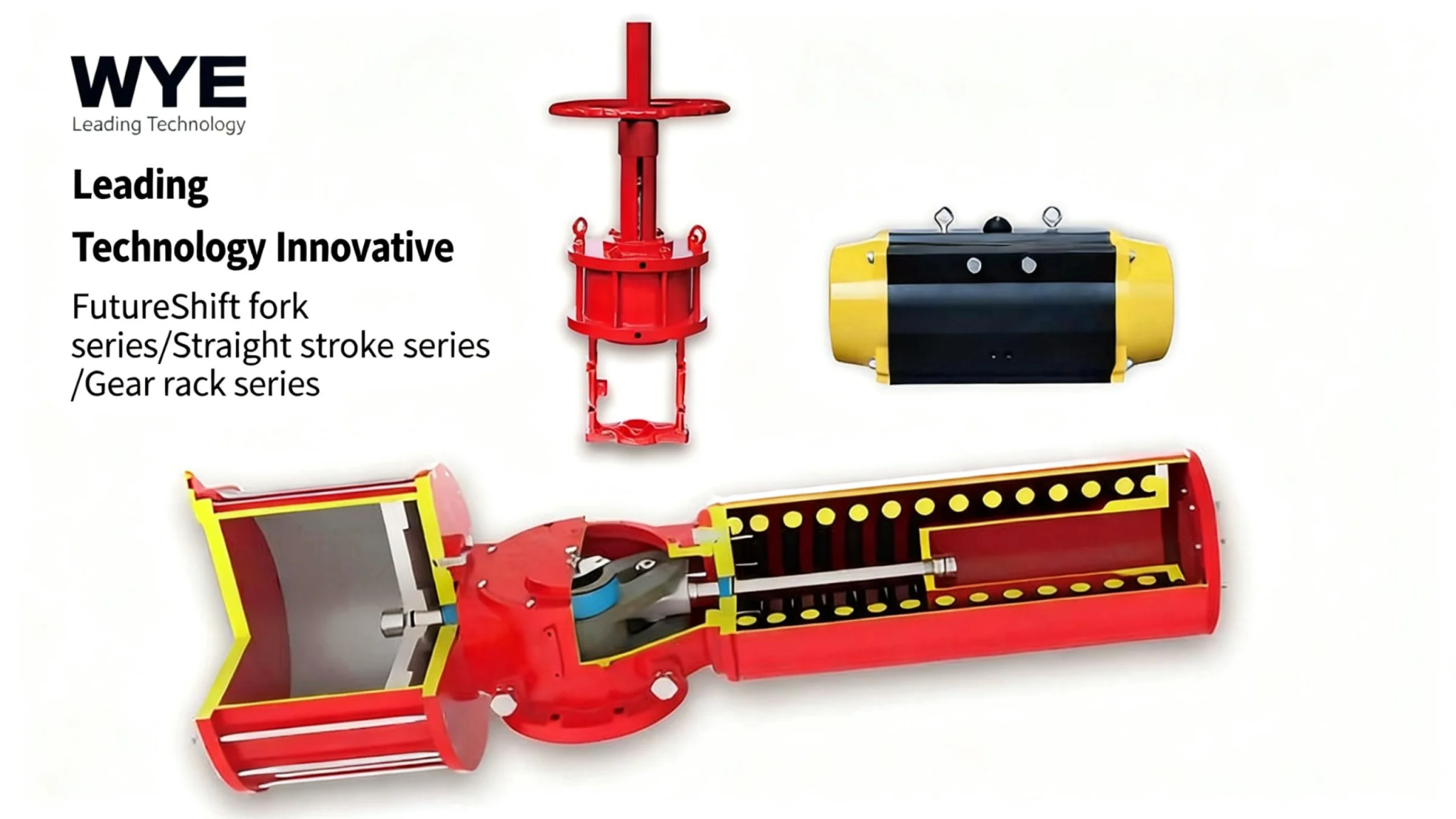
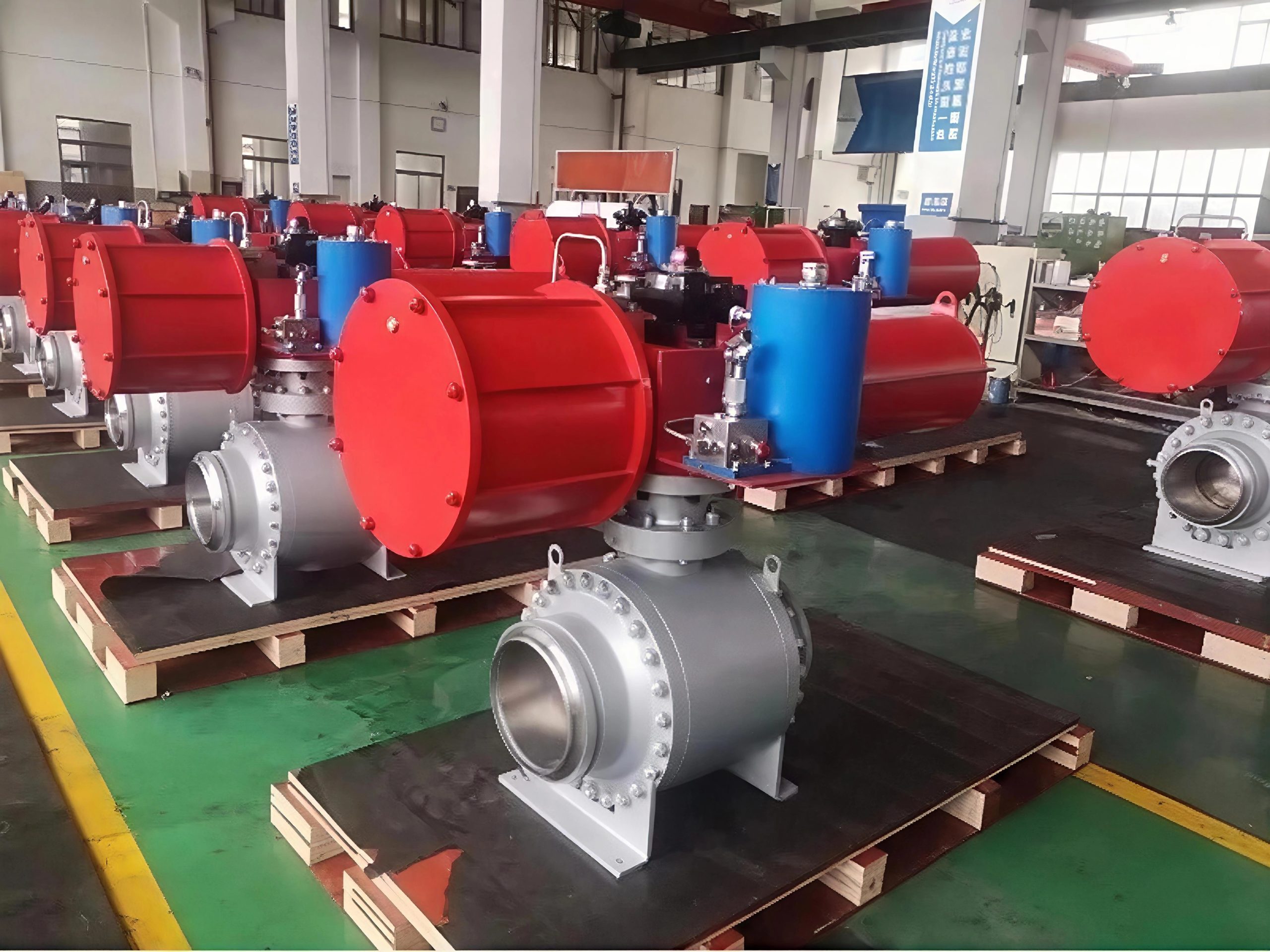
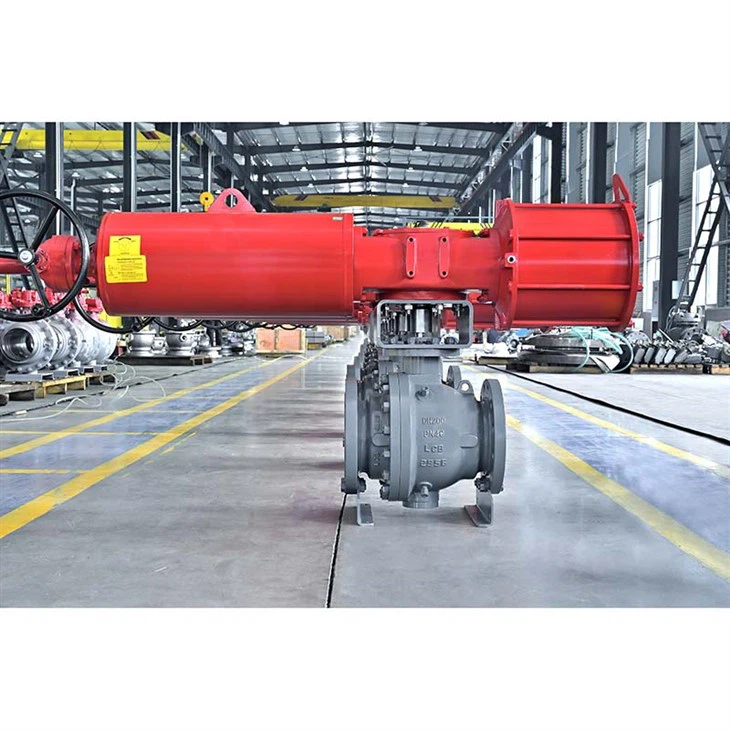
A pneumatic valve with actuator is a critical assembly in industrial fluid control systems, combining a pneumatic valve (e.g., ball valve, butterfly valve, plug valve) and a pneumatic actuator. The pneumatic actuator utilizes compressed air as its power source to drive the valve’s opening, closing, or modulation, enabling precise and automated control of fluid (liquid or gas) flow. This integrated solution is widely adopted in industries such as oil and gas, chemical processing, water treatment, pharmaceuticals, and food and beverage due to its reliability, fast response, and intrinsic safety in hazardous environments. It plays a vital role in ensuring efficient process control, remote operation, and safety interlocks, making it indispensable for both routine production and emergency scenarios.
二.Product Features
1. Pneumatic-Driven Efficiency
- Relies on compressed air for actuation, delivering fast response times (milliseconds to seconds) for immediate valve operation, which is crucial for time-sensitive processes.
- Offers high torque/force output relative to size, making it suitable for large-diameter valves or high-pressure applications.
2. Safety & Reliability
- Intrinsic safety: Pneumatic systems do not generate sparks, making them ideal for explosive or flammable environments (e.g., oil refineries, chemical plants).
- Fail-safe mechanisms: Many pneumatic actuators feature spring-return designs, ensuring the valve returns to a predefined position (open or close) in case of air supply failure, enhancing process safety.
3. Versatility & Compatibility
- Valve compatibility: Works with various quarter-turn valves (ball, butterfly, plug) and can be adapted to multi-turn valves with modifications.
- Integration capabilities: Seamlessly integrates with pneumatic control systems, solenoid valves, and sensors for automated process control.
4. Durability & Low Maintenance
- Constructed from robust materials (stainless steel, anodized aluminum, reinforced polymers) to resist corrosion, wear, and harsh chemicals.
- Fewer moving parts compared to electric or hydraulic systems, resulting in low maintenance requirements and extended service life.
5. Precise Control Options
- Available in on/off (two-position) or modulating configurations, allowing for precise flow regulation (e.g., 0–100% valve opening).
- Can be equipped with positioners for enhanced control accuracy, ensuring the valve operates at the exact desired position.
三.Technical Data
1. Pneumatic Actuator Parameters
- Torque Range: 5 Nm to 5,000 Nm (varies by actuator size and design).
- Operating Pressure: 2–8 bar (compressed air supply; some models support up to 10 bar).
- Swivel Angle: 90° (standard for quarter-turn valves), with adjustable angles in some models.
- Pneumatic Connection: G1/8, G1/4, G3/8, or G1/2 (threaded or flanged, e.g., G1/8 as in the Festo DFPD series).
- Temperature Range: -20°C to +80°C (standard); extended ranges (-40°C to +120°C) available for extreme environments.
- Mounting Standard: Compliant with ISO 5211 (flange hole patterns like F03, F05, F10) for valve compatibility.
2. Valve Parameters (Example: Ball Valve)
- Valve Size (DN): 15–600 mm (or ½”–24”) for standard models.
- Pressure Rating: PN16, PN25, PN40, ASME Class 150, 300, etc.
- Flow Coefficient (Cv): Varies by valve size (e.g., DN50 valve may have a Cv of 20–50).
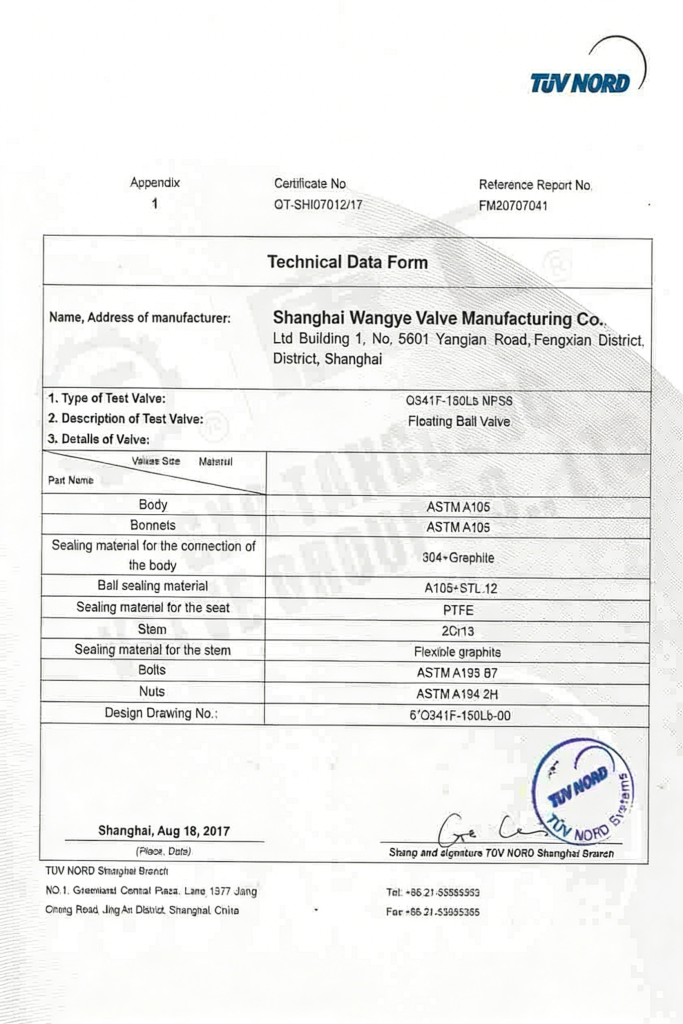
- Material: Body and trim materials include stainless steel (304, 316), carbon steel, brass, or PVC (for non-corrosive applications).
- Sealing Type: Soft seat (PTFE, NBR) for tight shut-off or metal seat for high-temperature/high-pressure services.
3. Combined Assembly Performance
- Response Time: 0.5–5 seconds (from air signal to full valve stroke).
- Cycle Life: Up to 100,000 cycles or more, depending on operating conditions and maintenance.
- Protection Class: IP65/IP67 (dust and water protection for actuators and valve assemblies).