For those who work with pneumatic valves, the pneumatic triple unit is an indispensable supporting component. It consists of three core parts: air filter, limit switch (also known as position indicator), and solenoid valve. Each part undertakes a unique and crucial role, jointly ensuring the stable, safe and efficient operation of the pneumatic valve system. Today, we will break down the specific functions of each component in detail.
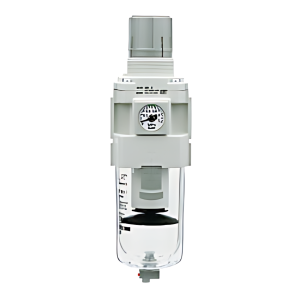
1. The Function of the Air Filter
The main function of the air filter in the pneumatic valve triple unit is to filter out moisture from the air supply. Most of the raw air supplies are unpurified and contain moisture, which can cause serious damage to solenoid valves, cylinders, and the main valves themselves. Therefore, it is essential to install an air filter before the air supply enters the valve to remove moisture and purify the air source.
There are two types of filter regulators (integrated filter and pressure regulator): automatic drainage type and manual drainage type.
The automatic drainage type has a higher cost but is more convenient to use. The filter is preset with a threshold based on the proportional relationship between air pressure and moisture. When the accumulated water reaches a certain level, it will automatically drain the water. The manual drainage type requires manual drainage at least once a month. Generally speaking, for domestic models, you just need to pull out a component by hand to drain water, while for imported models, you only need to press a button to discharge water.
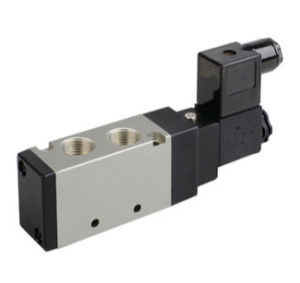
2. The Function of the Solenoid Valve
Pneumatic valves rely on solenoid valves to control the expansion and contraction of the actuator, thereby achieving the opening and closing of the valve. In general, 2/3-way solenoid valves are usually used with single-acting pneumatic actuators, while 2/5-way solenoid valves are usually matched with double-acting pneumatic actuators. This matching method ensures the accurate and reliable control of the valve, adapting to different working condition requirements of the pneumatic system.
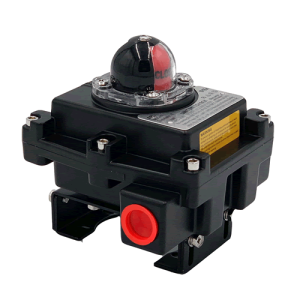
3. The Function of the Limit Switch
Valves are installed on pipelines, so it is impossible to directly observe their opening and closing status or opening degree. The limit switch, also called a valve position indicator, is linked with the cylinder rotating shaft to indicate the valve opening degree. With this component, operators can intuitively check the opening and closing status of the valve from the outside, which is of great significance for monitoring the operation of the pipeline system, troubleshooting, and ensuring the normal progress of production.
To sum up, the three components of the pneumatic triple unit are closely coordinated and complement each other. The air filter ensures the purity of the air source, the solenoid valve realizes the precise control of the valve, and the limit switch provides visual monitoring of the valve status. Only when all three parts work normally can the pneumatic valve system operate stably and efficiently. If you have more questions about the selection or use of pneumatic components, welcome to leave a message in the comment area!