
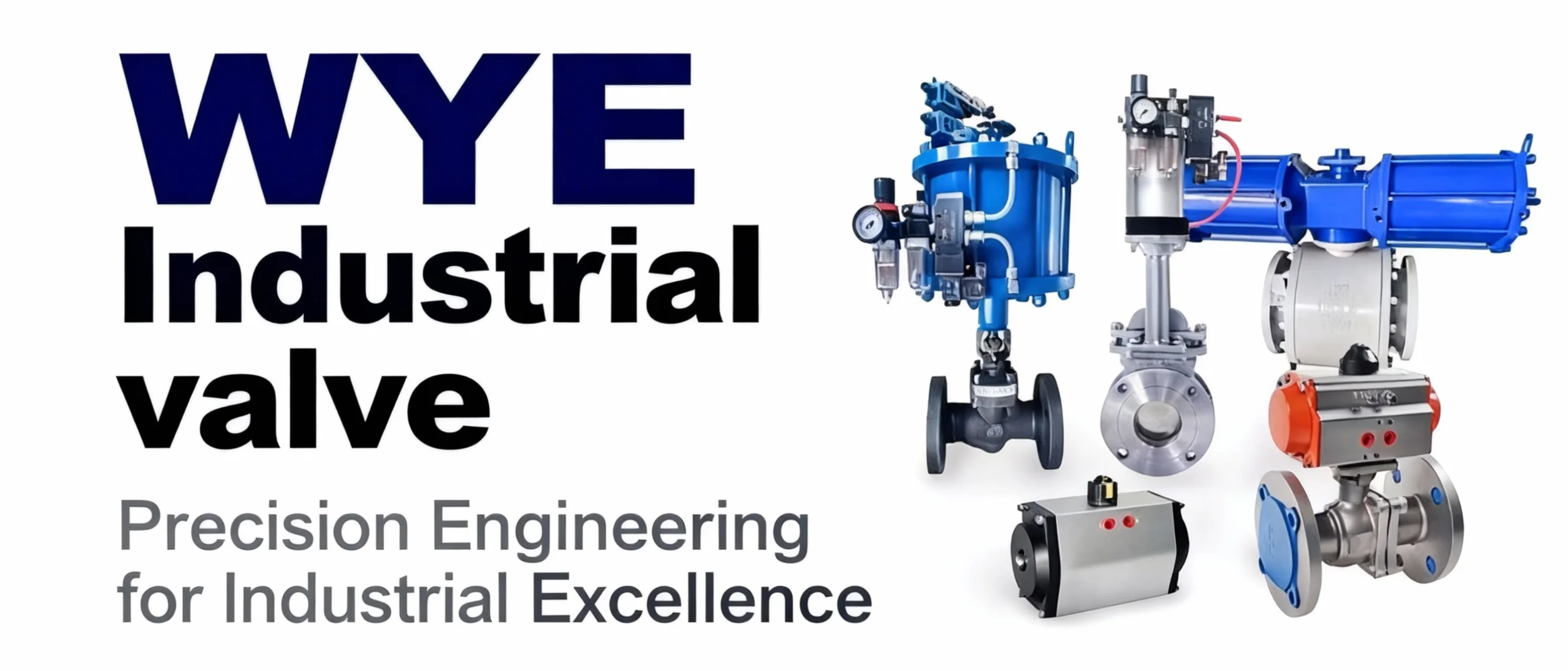
In the complex world of industrial machinery, there’s one component that quietly powers efficiency, ensures precision, and keeps operations running smoothly—the hydraulic actuator valve. Whether you’re overseeing a manufacturing plant, managing a construction site, or maintaining heavy-duty equipment, the hydraulic actuator valve is the backbone of countless hydraulic systems. Today, we’re diving deep into why this component is so critical, how it works, and where you’ll find the hydraulic actuator valve making a difference across industries.
First, let’s break down the basics: what exactly is a hydraulic actuator valve? At its core, a hydraulic actuator valve controls the flow, pressure, and direction of hydraulic fluid within a system. This control is what allows hydraulic actuators—devices that convert hydraulic energy into mechanical motion—to perform tasks with unparalleled accuracy. Without the hydraulic actuator valve, hydraulic systems would be chaotic, inefficient, and unable to handle the precise demands of modern industry. Every time a hydraulic press clamps down, a crane lifts a heavy load, or a conveyor belt adjusts its speed, the hydraulic actuator valve is working behind the scenes to regulate the fluid and ensure the action is smooth, consistent, and safe.
One of the key reasons the hydraulic actuator valve is so widely used is its ability to handle high pressure and heavy loads. Unlike other control valves, the hydraulic actuator valve is designed to withstand extreme conditions, making it ideal for industries like construction, mining, and aerospace. In a construction site, for example, the hydraulic actuator valve in a backhoe’s hydraulic system controls the movement of the arm and bucket, allowing operators to dig, lift, and place materials with precision—even when dealing with tons of dirt or debris. Similarly, in the aerospace industry, the hydraulic actuator valve plays a vital role in controlling landing gear, flaps, and other critical components, where reliability and precision are non-negotiable.
Another advantage of the hydraulic actuator valve is its versatility. There are countless types of hydraulic actuator valves, each tailored to specific applications. For instance, directional control valves direct the flow of hydraulic fluid to different parts of the system, while pressure control valves maintain a consistent pressure to prevent damage to equipment. Flow control valves, on the other hand, regulate the speed of the actuator by controlling the amount of fluid passing through. No matter the application, there’s a hydraulic actuator valve designed to meet its unique needs. This versatility is why you’ll find the hydraulic actuator valve in everything from small industrial machines to large-scale agricultural equipment and even marine vessels.
Maintenance is a crucial aspect of keeping any industrial component running smoothly, and the hydraulic actuator valve is no exception. Regular inspection and maintenance of the hydraulic actuator valve can prevent costly breakdowns, extend the life of the entire hydraulic system, and ensure optimal performance. Simple tasks like checking for leaks, cleaning filters, and lubricating moving parts can go a long way in keeping the hydraulic actuator valve in top shape. It’s also important to choose high-quality hydraulic fluid, as contaminated or low-grade fluid can damage the valve’s internal components and compromise its functionality. By prioritizing the care of your hydraulic actuator valve, you’re investing in the reliability and efficiency of your entire operation.
Let’s take a closer look at a real-world example of the hydraulic actuator valve in action: the manufacturing industry. In an automotive factory, robotic arms rely on hydraulic systems to perform tasks like welding, painting, and assembling parts. Each robotic arm is equipped with a hydraulic actuator valve that controls its movement—ensuring that every weld is precise, every paint stroke is even, and every part is assembled correctly. Without the hydraulic actuator valve, these robotic arms would be unable to maintain the level of accuracy needed for mass production, leading to defective products and lost revenue. The hydraulic actuator valve doesn’t just make these tasks possible; it makes them efficient and cost-effective.
As technology advances, the hydraulic actuator valve continues to evolve. Modern hydraulic actuator valves are now equipped with smart features like sensors and digital controls, allowing for real-time monitoring and adjustment. These smart hydraulic actuator valves can detect changes in pressure, flow, or temperature, and automatically adjust to maintain optimal performance. They also provide valuable data to operators, helping them identify potential issues before they become major problems. This integration of technology has made the hydraulic actuator valve even more essential in today’s smart factories and industrial settings.
In conclusion, the hydraulic actuator valve is far more than just a small component in a hydraulic system—it’s the heart of industrial precision and efficiency. From construction sites to manufacturing plants, from aerospace to marine applications, the hydraulic actuator valve plays a vital role in powering the machines that keep our world running. Its ability to handle high pressure, its versatility, and its evolving technology make it an indispensable tool for any industry that relies on hydraulic systems. So the next time you see a heavy machine in action, take a moment to appreciate the unsung hero working behind the scenes—the hydraulic actuator valve. Whether you’re a seasoned engineer, a plant manager, or just someone curious about how things work, understanding the importance of the hydraulic actuator valve is key to understanding the modern industrial landscape.
