Valves for steam are essential for controlling pressure, flow, and temperature in industrial and energy systems.
Without proper steam valves, processes in power plants, refineries, and manufacturing facilities would be inefficient and unsafe.
Understanding different steam application valves ensures optimal performance, safety, and longevity in high-temperature systems.
This article explains the main industrial steam valve types, their applications, and factors to consider when selecting steam flow control valves.
Why Steam Valves Are Critical
In any system that uses high-pressure steam, the right valves for steam prevent overpressure, maintain flow consistency, and allow safe shutdowns.
Steam is not only hot but highly pressurized, so choosing the correct valve is critical for both operational efficiency and worker safety.
Key roles of steam application valves include:
- Controlling steam flow to turbines, heat exchangers, or piping networks
- Isolating sections of the system for maintenance
- Regulating pressure and temperature for process control
Common Industrial Steam Valve Types
Several industrial steam valve types are commonly employed depending on the specific need for flow regulation, isolation, or safety:
1. Gate Valves
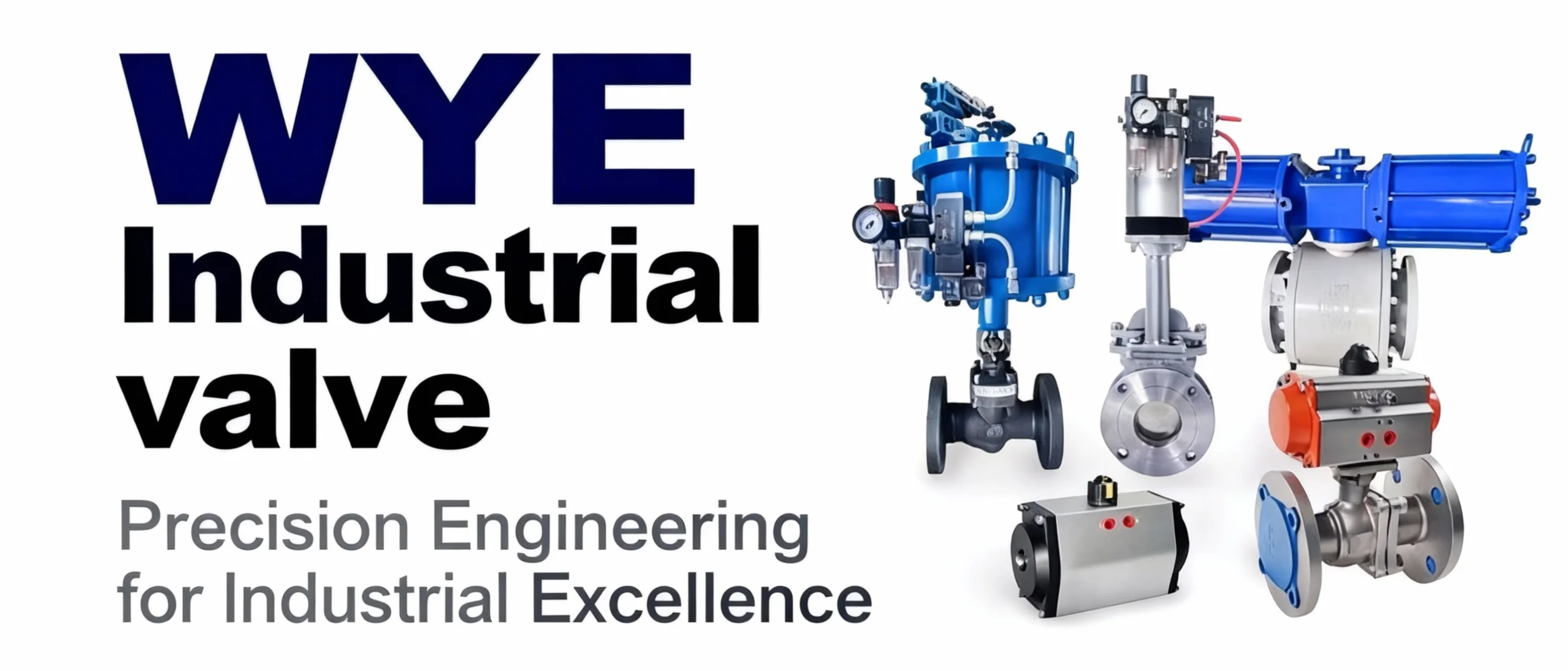
Gate valves are primarily used for isolation purposes. In steam flow control valves, they provide full-bore flow with minimal pressure drop.
They are best suited for pipelines that remain fully open or closed for extended periods. When comparing Gate Valve vs Ball Valve, gate valves are often slower to operate, which can be a drawback in emergency shutdowns.
2. Globe Valves
Globe valves are ideal for regulating flow and controlling pressure.
Their design allows precise throttling, making them a top choice for valves for steam in power generation, chemical plants, and heating systems.
3. Ball Valves
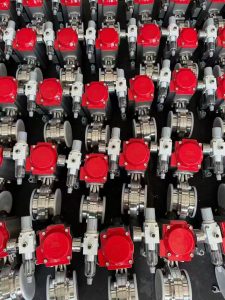
Ball valves offer quick on/off operation with low maintenance requirements.
Their durability makes them suitable for high-pressure steam lines.
In many steam application valves, they are used where fast isolation is necessary. For superheated steam, standard soft seats may melt; therefore, ultra-high temperature ball valves with metal seats are highly recommended to withstand thermal stress.
Engineered for superheated steam lines. Its specialized design withstands extreme thermal stress where standard valves fail, ensuring safe and continuous operation.