
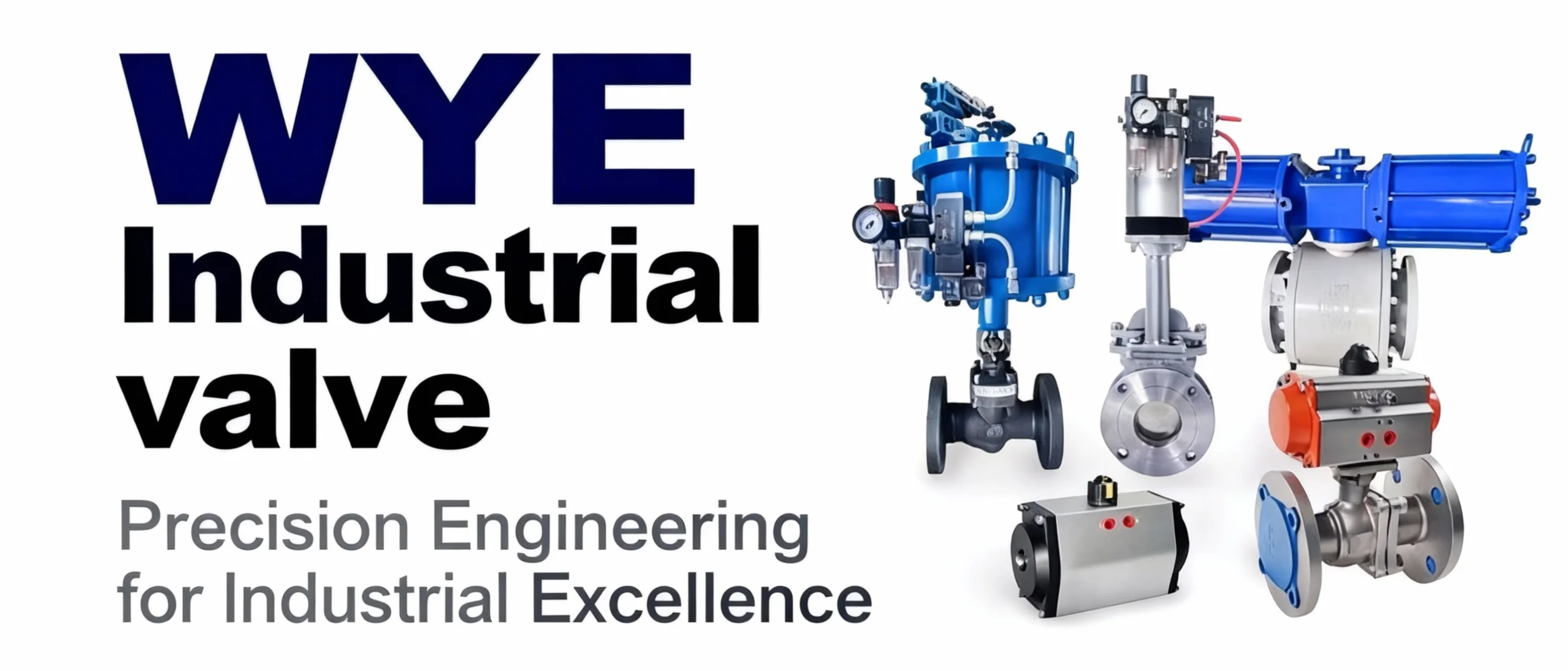
In the intricate world of industrial automation, where precision and reliability are non-negotiable, the pneumatic diaphragm valve stands out as a cornerstone component. From the bustling assembly lines of automotive factories to the precise fluid management systems in pharmaceutical plants, from the high-pressure pipelines of oil refineries to the climate control units of commercial buildings—you’ll find a pneumatic diaphragm valve working tirelessly behind the scenes. This robust yet versatile device acts as a critical bridge between pneumatic signals and fluid regulation, translating compressed air commands into seamless flow control actions. Today, we’ll dive deep into the world of the pneumatic diaphragm valve, exploring its working principle, key advantages, selection tips, maintenance essentials, and wide-ranging applications.
I. The Core Principle of a Pneumatic Diaphragm Valve: Diaphragm-Driven Precision
One of the most remarkable features of a pneumatic diaphragm valve is its ability to provide leak-tight control over a wide range of fluids, including corrosive, viscous, and particulate-laden media. Unlike traditional globe valves or gate valves that rely on a stem and plug, a pneumatic diaphragm valve operates using a flexible diaphragm as the key control element. This diaphragm isolates the actuator (pneumatic chamber) from the fluid path, making the pneumatic diaphragm valve ideal for applications where contamination prevention is critical.
Here’s how it works: When compressed air is supplied to the actuator of the pneumatic diaphragm valve, the air pressure pushes against the diaphragm, causing it to deform downward and press against the valve seat. This action closes the valve and shuts off fluid flow. When the air pressure in the actuator is released (or vented), a return spring pushes the diaphragm back to its original position, lifting it away from the valve seat and allowing fluid to pass through. Some pneumatic diaphragm valve models feature double-acting actuators, using air pressure for both opening and closing actions to ensure faster response and more consistent performance. This design not only ensures tight shutoff but also protects the actuator components from fluid corrosion—one of the key reasons the pneumatic diaphragm valve is trusted in harsh industrial environments.
II. Key Advantages of a Pneumatic Diaphragm Valve: Why It’s the Industrial First Choice
The pneumatic diaphragm valve has become the preferred choice in industrial control systems for a multitude of compelling reasons, each addressing critical needs of modern automation:
First and foremost is superior leak tightness. The flexible diaphragm in a pneumatic diaphragm valve forms a tight seal against the valve seat, eliminating the risk of fluid leakage—a critical advantage in applications handling toxic, flammable, or expensive fluids. Second is its excellent corrosion resistance. Since the diaphragm isolates the actuator from the fluid, the pneumatic diaphragm valve can be constructed with diaphragm materials (e.g., PTFE, EPDM, Viton) tailored to resist specific corrosive media, making it suitable for chemical processing, wastewater treatment, and pharmaceutical production.
Equally important are its versatility and simplicity. A pneumatic diaphragm valve can handle fluids with suspended solids (e.g., sludge, slurries) without clogging, as its straight-through flow path and lack of a stem minimize obstruction. The design of a pneumatic diaphragm valve is also relatively simple, with fewer moving parts than other valve types, reducing the risk of mechanical failure and lowering maintenance costs. Additionally, the pneumatic diaphragm valve offers precise flow control when paired with a positioner, allowing for accurate modulation of flow rates in processes that require tight parameter control—another key reason for its widespread use in precision industries.
III. Pneumatic Diaphragm Valve Selection Guide: 6 Non-Negotiable Parameters
Choosing the right pneumatic diaphragm valve is critical to ensuring system reliability. A mismatched pneumatic diaphragm valve can lead to frequent failures, reduced efficiency, and even safety hazards. Below are six core parameters to prioritize during selection:
1. Fluid Characteristics: This is the foundation of pneumatic diaphragm valve selection. For corrosive fluids (e.g., strong acids, alkalis), opt for a pneumatic diaphragm valve with a PTFE or Viton diaphragm. For abrasive slurries, choose a pneumatic diaphragm valve with a thick, reinforced diaphragm (e.g., PTFE-lined rubber) and a corrosion-resistant valve body (e.g., 316L stainless steel, PVC). For high-temperature fluids (up to 150°C), select a pneumatic diaphragm valve with a heat-resistant diaphragm material.
2. Pressure & Temperature Ratings: Every pneumatic diaphragm valve has a maximum operating pressure and temperature range. Ensure the system’s working pressure and temperature fall within the pneumatic diaphragm valve’s rated limits—exceeding these limits can cause diaphragm damage and valve failure.
3. Port Size & Flow Rate: Select the pneumatic diaphragm valve’s port size based on pipeline dimensions and system flow requirements. An undersized pneumatic diaphragm valve will cause excessive pressure loss, while an oversized one will waste costs and compromise control precision. Calculate the required port size using the Cv value to ensure the pneumatic diaphragm valve meets the system’s flow demands.
4. Diaphragm Material: The diaphragm is the heart of a pneumatic diaphragm valve, so choosing the right material is crucial. EPDM diaphragms are ideal for water and neutral fluids, PTFE for corrosive media, Viton for high temperatures and oils, and rubber-lined PTFE for abrasive slurries. Ensure the diaphragm material is compatible with the fluid to avoid premature wear.
5. Actuator Type: Select a single-acting (spring-return) or double-acting pneumatic diaphragm valve based on safety needs. A single-acting pneumatic diaphragm valve returns to a fail-safe position (open or closed) when air pressure is lost, ideal for hazardous environments requiring emergency shutoff. A double-acting pneumatic diaphragm valve requires air pressure for both opening and closing, suitable for applications where fast response and consistent positioning are prioritized.
6. Application Requirements: For precision flow control (e.g., pharmaceutical dosing), choose a pneumatic diaphragm valve with a positioner. For hygienic applications (e.g., food processing), select a pneumatic diaphragm valve with a sanitary design (e.g., tri-clamp connections, polished internal surfaces) to meet FDA or 3A standards.
IV. Pneumatic Diaphragm Valve Installation & Maintenance: Extend Its Service Life
Proper installation and regular maintenance can extend a pneumatic diaphragm valve’s service life by over 50%. Here are key tips to follow:
During installation, align the pneumatic diaphragm valve’s flow direction with the arrow marked on the valve body—reverse installation will reduce flow efficiency and cause premature diaphragm wear. Install the pneumatic diaphragm valve in a location that allows easy access for maintenance, avoiding areas with excessive vibration or extreme temperatures. For pneumatic connections, ensure the air supply is clean and dry (use a filter-regulator-lubricator if needed) to prevent actuator damage. After installing a new pneumatic diaphragm valve, conduct a test run with fluid to confirm no leaks, smooth operation, and accurate flow control before full deployment.
For maintenance, inspect the pneumatic diaphragm valve comprehensively every 3–6 months: Shut off fluid and air supply, disassemble the valve to inspect the diaphragm for cracks, tears, or wear (the most common failure point of a pneumatic diaphragm valve). Replace the diaphragm if any damage is found. Clean the valve seat and body to remove debris or sediment that could affect sealing. Check the actuator and spring for proper operation, and lubricate moving parts (if applicable) with a compatible lubricant. Additionally, avoid over-pressurizing the actuator, as this can stretch or damage the diaphragm and reduce the pneumatic diaphragm valve’s service life.
V. Typical Applications of Pneumatic Diaphragm Valve: A Versatile Control Solution
The pneumatic diaphragm valve’s versatility makes it a staple across industries, from heavy manufacturing to everyday infrastructure. In the chemical industry, pneumatic diaphragm valves control the flow of corrosive acids, bases, and solvents, ensuring safe and efficient production. In water and wastewater treatment plants, pneumatic diaphragm valves regulate sludge flow, chemical dosing (e.g., chlorine, pH adjusters), and filter backwashing—serving as the backbone of automated water management.
In specialized sectors, the pneumatic diaphragm valve plays an irreplaceable role: In pharmaceutical plants, FDA-compliant pneumatic diaphragm valves handle sterile fluids and drug ingredients, maintaining strict hygiene and contamination control standards. In the food and beverage industry, pneumatic diaphragm valves control the flow of juices, dairy products, and syrups, ensuring product safety and quality. In power plants, pneumatic diaphragm valves regulate the flow of cooling water, lubricating oils, and chemical treatments for boilers. Even in semiconductor manufacturing and mining operations, the pneumatic diaphragm valve delivers reliable control, acting as an “invisible guardian” of system performance.
Conclusion: Choose and Use Pneumatic Diaphragm Valve Wisely for Enhanced Automation Efficiency
As a core component of industrial automation, the pneumatic diaphragm valve directly impacts the efficiency and stability of fluid control systems. From understanding its working principle to selecting the right model, from proper installation to regular maintenance—every step matters. We hope this guide helps you gain a comprehensive understanding of the pneumatic diaphragm valve, enabling you to choose and use the pneumatic diaphragm valve effectively. By leveraging its leak-tight design, corrosion resistance, and versatility, you can unlock greater efficiency and reliability in your automation systems.
Have you encountered challenges with pneumatic diaphragm valve selection or operation? Feel free to share your experiences in the comments below—let’s discuss and learn
together!

