Important Usage Precautions
-
Pre-Operation Flushing
Prior to use, ensure the pipeline and valve have been thoroughly flushed. This step is non-negotiable—residual debris or contaminants can compromise sealing performance and cause internal wear, directly impacting operational efficiency.
-
Pre-Use Inspection
Verify the valve’s operating condition before activation. Check for signs of abnormal noise, loose connections, or leakage. Any faults identified must be addressed promptly to prevent equipment damage or safety hazards during operation.
-
Routine Maintenance
- Cleaning: Regular cleaning is the foundation of maintenance. Remove surface dust, dirt, and media residues to prevent corrosion and blockage.
- Storage Environment: Avoid storing the valve in humid or corrosive environments. If not in use for an extended period, store it in a dry, well-ventilated area with proper protection to prevent rust or seal degradation.
Key Selection Guidelines
-
Prioritize Reliable Manufacturers
Conduct thorough research on potential suppliers instead of relying solely on their marketing claims. Reputable manufacturers adhere to strict quality control standards, ensuring their products meet industry specifications (e.g., API, DIN, GB) and offer consistent performance.
-
Avoid Compromising on Quality for Price
Resist the temptation to choose unknown small manufacturers for lower costs. Such products often lack rigorous testing, leading to frequent failures, poor sealing, or shortened service life. Investing in quality products from trusted brands guarantees better performance, durability, and access to professional after-sales service—saving time and costs in the long run.
-
Consider Application-Specific Requirements
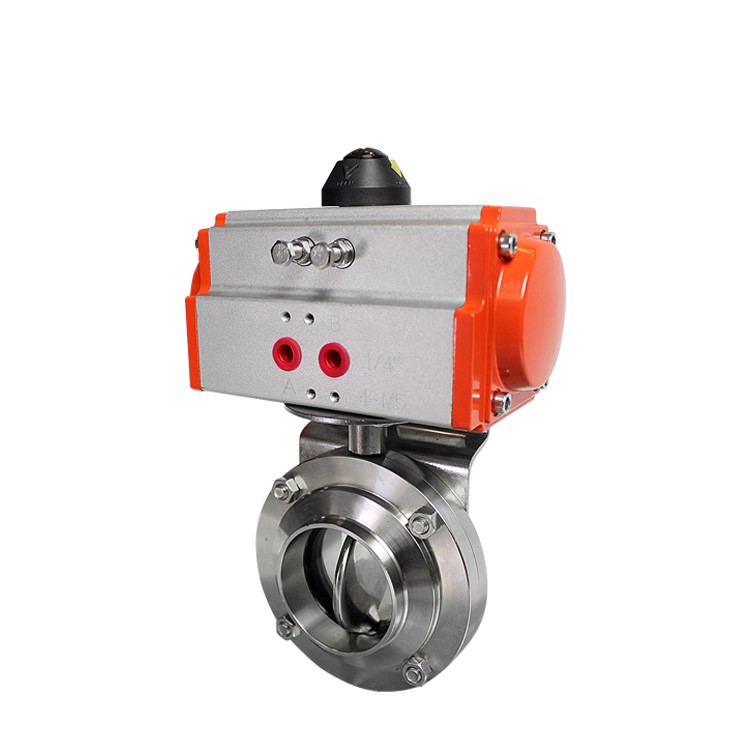
Select valves based on your specific operating conditions, including medium type (e.g., corrosive fluids, high-temperature steam), pressure rating, and flow control needs. For example, sanitary-grade stainless steel butterfly valves are essential for food, pharmaceutical, or beverage applications, while high-pressure models are required for industrial pipelines.
Conclusion