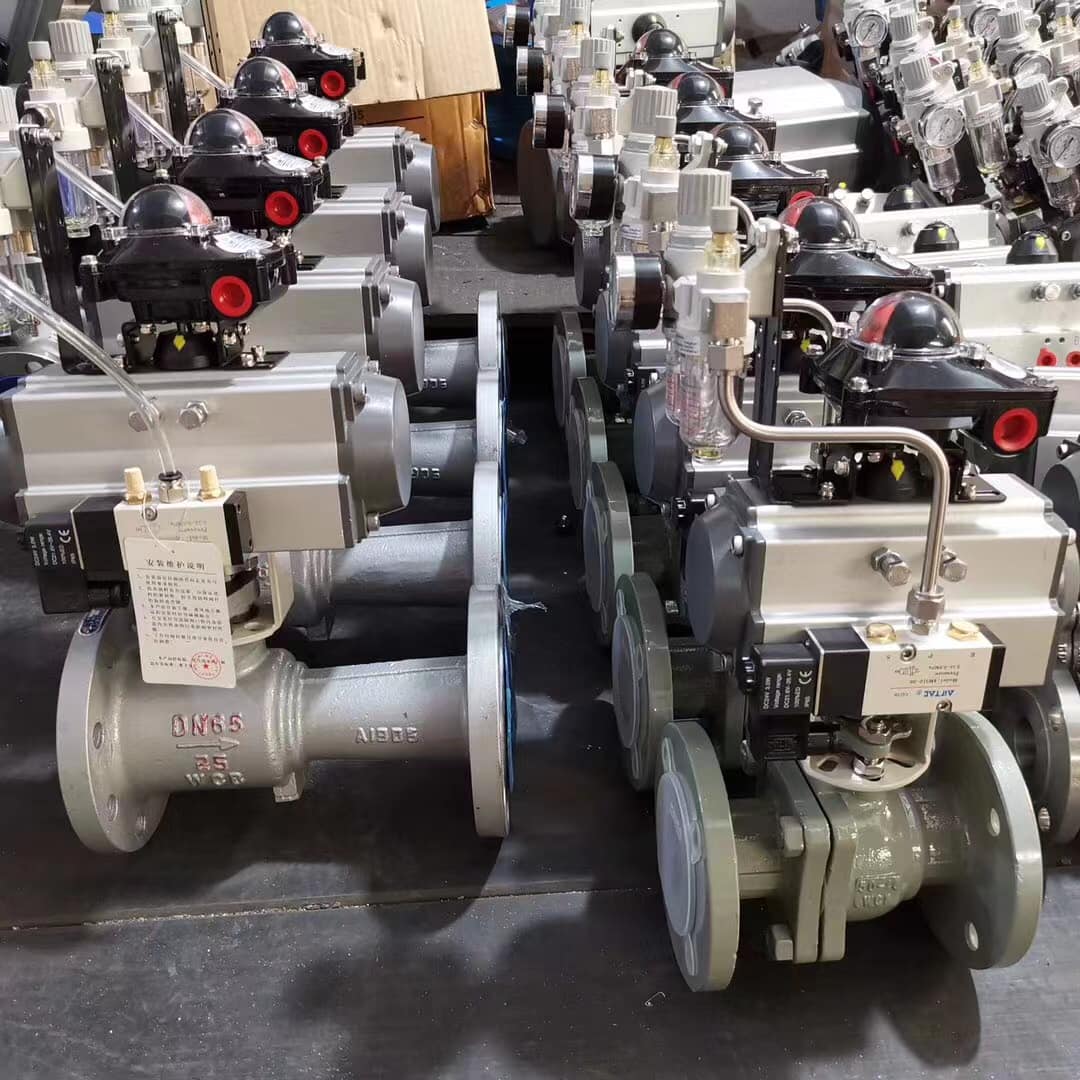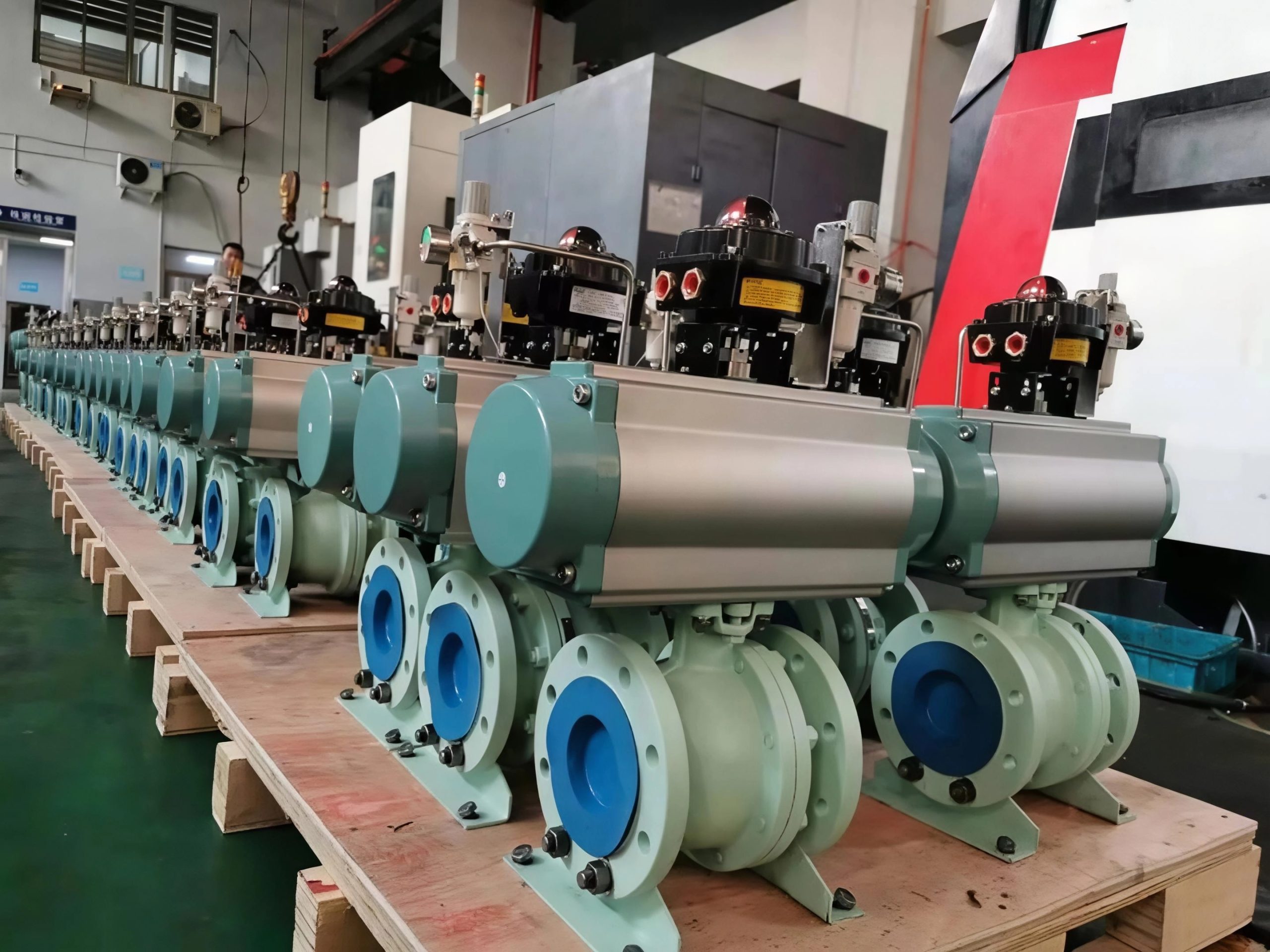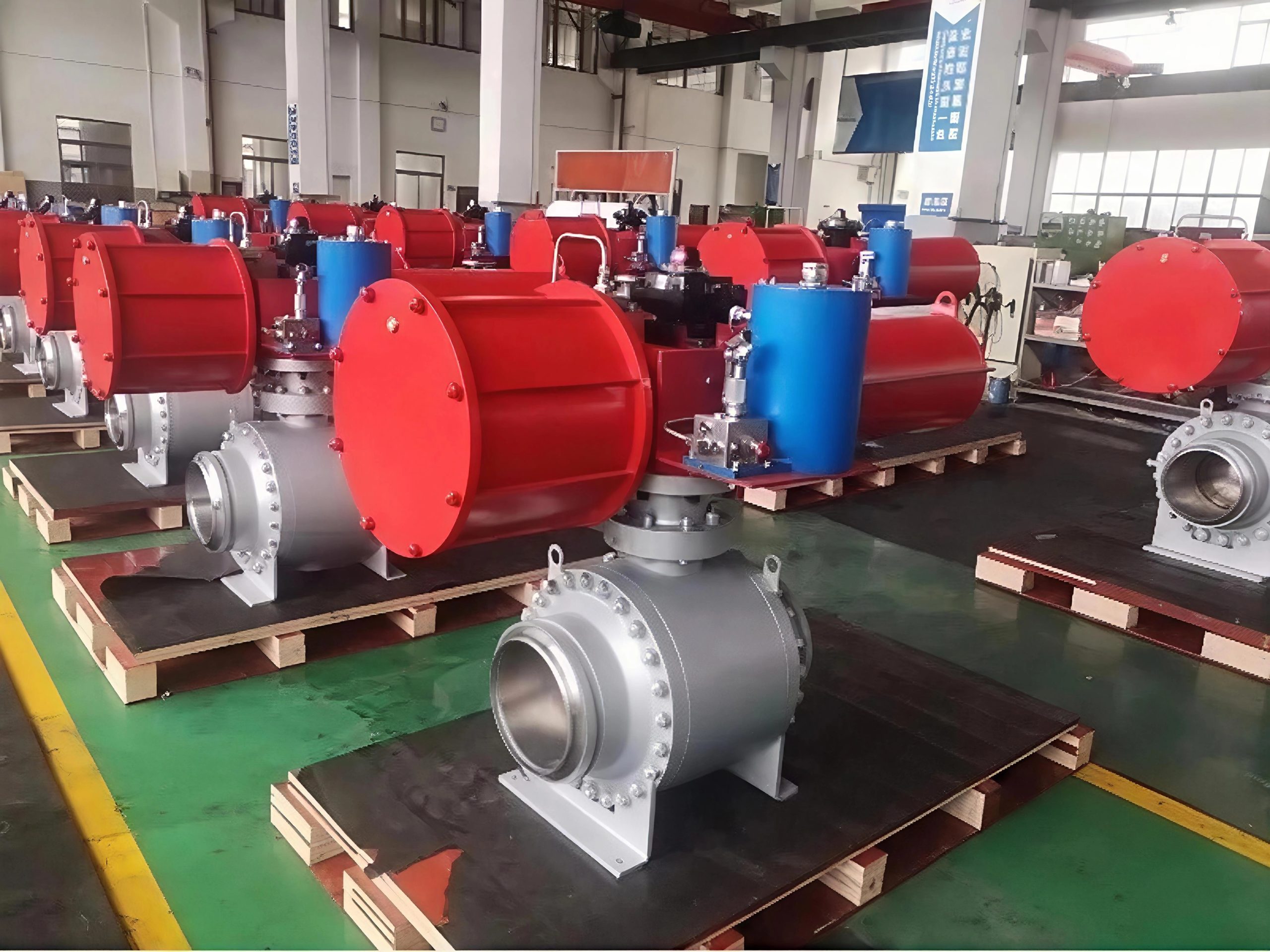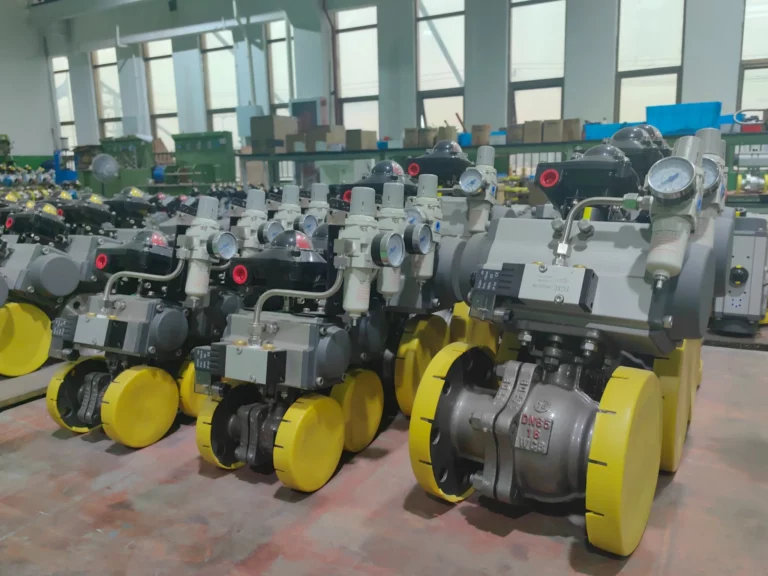
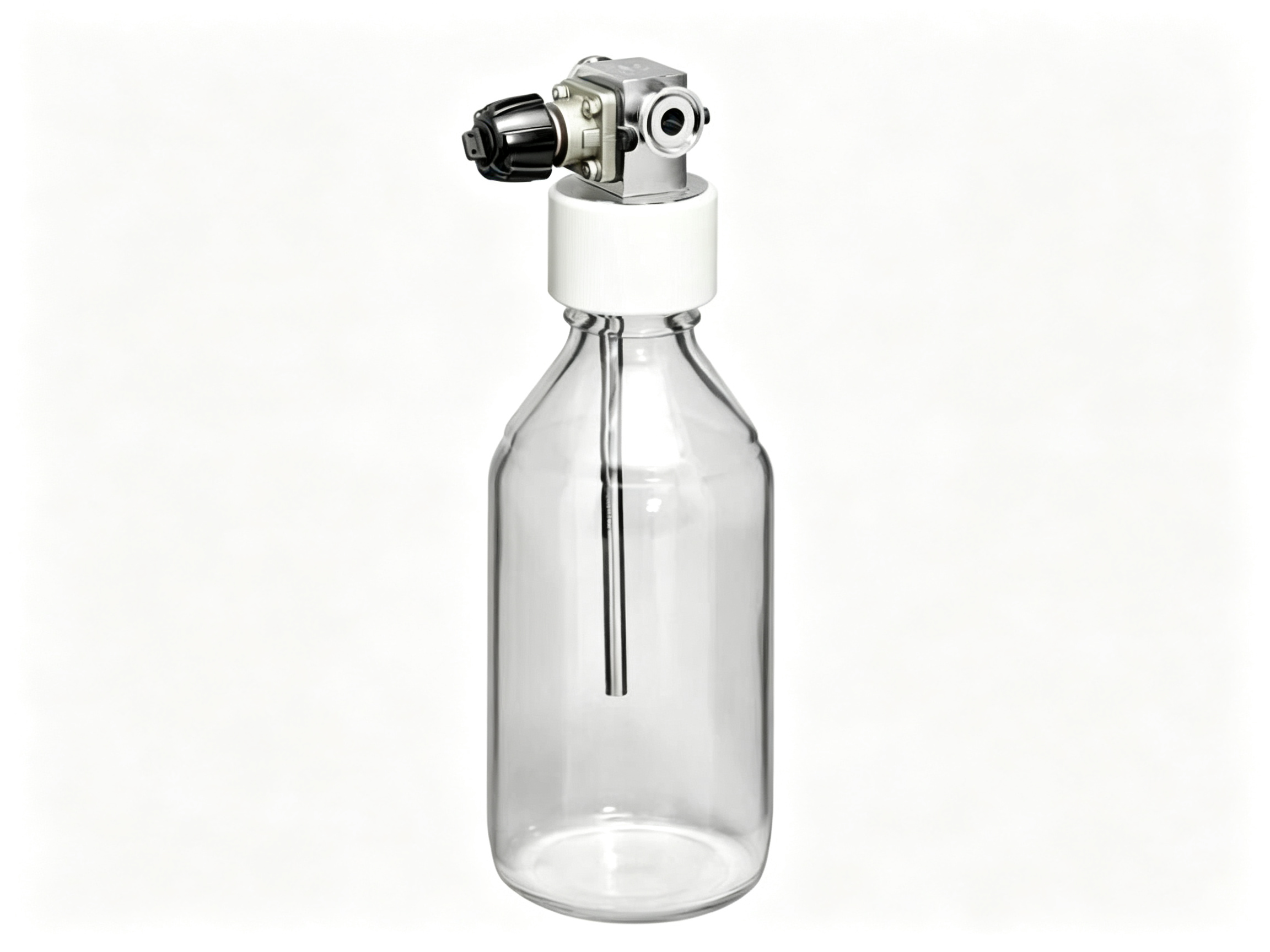
The Closed Sampling Bottle System is a hygienic sampling solution designed for controlled sample collection and transportation from tanks, vessels, and process pipelines.
By combining a stainless steel sampling valve assembly with a dedicated sample container, the system helps reduce exposure of the sample to the surrounding environment. It is suitable for applications where sampling cleanliness, process integrity, and reliable laboratory analysis are important.
一、Product Overview
1.1 Main Function
The Closed Sampling Bottle System enables operators to collect process samples into a connected bottle for quality control, microbiological examination, and laboratory testing.
1.2 Integrated Sampling Assembly
The system combines a sampling valve block, sample bottle, and the necessary connections into a compact assembly.
1.3 Hygienic Sampling
The enclosed sample path helps reduce opportunities for environmental contamination during collection when the system is correctly assembled, cleaned, and operated.
二、Product Features
2.1 Stainless Steel Valve Construction
The sampling assembly uses stainless steel valve components suitable for hygienic process applications.
2.2 Glass or Stainless Steel Bottle
Depending on the configuration, the sample container can be manufactured from glass or stainless steel.
2.3 Manual or Pneumatic Operation
The system can be configured with manually operated or pneumatically actuated valves to suit different production requirements.
2.4 Cleaning and Sterilization Connections
Dedicated connections can be provided for CIP/SIP media, allowing the sampling path to be cleaned or sterilized according to the validated plant procedure.
2.5 Compact Valve Block
An integrated valve block helps reduce the number of separate pipe connections and supports a compact installation.
2.6 Laboratory Sample Transportation
The sample container can be prepared for transport to a laboratory or quality assurance station after collection, following the required handling procedure.
三、Technical Specifications
| Item | Specification |
|---|---|
| Product Name | Closed Sampling Bottle System |
| System Type | Hygienic Sampling Assembly |
| Valve Body Material | Stainless Steel |
| Bottle Material | Glass / Stainless Steel |
| Operation | Manual / Pneumatic |
| Seal Options | PTFE / EPDM / FEP, depending on configuration |
| Cleaning | CIP-compatible configurations |
| Sterilization | SIP / Autoclave-compatible configurations |
| Valve Functions | Sampling, Bottle Filling, Cleaning Media Connections, Venting |
| Installation | Hygienic Process Equipment |
| Application | Controlled Process Sample Collection |
Note: Pressure rating, temperature rating, connection dimensions, bottle capacity, and material compatibility must be confirmed for the selected assembly.
四、Working Principle
4.1 System Preparation
Before sampling, the bottle and sampling assembly are prepared, cleaned, and sterilized according to the required process procedure.
4.2 Connection
The prepared sampling bottle assembly is connected to the designated process sampling point.
4.3 Sample Collection
The appropriate valves are opened to direct a controlled quantity of process medium into the sample container.
4.4 Closing and Isolation
After collecting the required volume, the process sampling path is closed and the sample container is isolated.
4.5 Sample Transportation
The container is removed or secured according to the system procedure and transferred for laboratory analysis.
五、Applications
5.1 Pharmaceutical Processing
Used for controlled sampling in pharmaceutical production systems where sample handling and contamination control are important.
5.2 Biotechnology
Suitable for compatible biotechnology processes requiring careful collection and transportation of liquid samples.
5.3 Food and Beverage Processing
Can be used for process monitoring and quality assurance in hygienic liquid production.
5.4 Cosmetics
Suitable for controlled sampling of compatible cosmetic ingredients and liquid formulations.
5.5 Laboratory Quality Control
Supports sample collection for subsequent chemical, physical, or microbiological analysis.
六、Available Configurations
6.1 Glass Bottle Configuration
Provides a sample container that allows visual observation of the collected liquid.
6.2 Stainless Steel Bottle Configuration
Provides a robust sample container for applications requiring a metal vessel.
6.3 Manual Valve Configuration
Suitable for installations where sampling is performed by an operator.
6.4 Pneumatic Valve Configuration
Suitable for systems requiring remotely controlled or automated valve actuation.
6.5 Customized Sampling Assembly
Connection layout, bottle arrangement, valve functions, and sealing materials can be specified according to process requirements.
七、Product Advantages
7.1 Reduced Environmental Exposure
A connected sample container helps limit direct exposure during sample transfer.
7.2 Integrated Valve Functions
Sampling, filling, venting, and cleaning connections can be incorporated into one assembly.
7.3 Flexible Container Selection
Glass and stainless steel bottle options support different sampling requirements.
7.4 Cleaning and Sterilization Capability
Compatible configurations support established hygienic cleaning and sterilization procedures.
7.5 Convenient Laboratory Handling
The collected sample can be transferred to the laboratory in its designated container.
八、How to Select
8.1 Determine Sample Volume
Choose a bottle capacity appropriate for the required laboratory analysis and sampling frequency.
8.2 Select Bottle Material
Consider sample chemistry, temperature, visibility, sterilization method, and transportation requirements.
8.3 Confirm Process Conditions
Verify the operating pressure, process temperature, and compatibility of all wetted materials.
8.4 Choose the Operation Method
Select manual or pneumatic actuation according to sampling frequency and automation requirements.
8.5 Confirm Cleaning Requirements
Check whether the process requires CIP, SIP, autoclaving, or another validated sanitation method.
8.6 Verify Connection Compatibility
Ensure the sampling system is compatible with the tank or pipeline connection.
九、Cleaning and Maintenance
9.1 Clean the Sampling Path
Follow the validated cleaning procedure for the valve block, connections, and bottle.
9.2 Inspect Seals
Check sealing components for wear, deformation, leakage, or chemical deterioration.
9.3 Inspect the Bottle
Glass bottles should be checked for cracks or damage. Stainless steel containers should be inspected for dents, corrosion, and sealing integrity.
9.4 Check Valve Operation
Verify that manual valves and pneumatic actuators open and close correctly.
9.5 Confirm Sterilization Readiness
Before each sampling cycle, confirm that the assembly has been prepared according to the required hygiene procedure.
十、FAQ
10.1 What is a Closed Sampling Bottle System?
It is a hygienic sampling assembly that combines sampling valves and a dedicated bottle to collect process samples with reduced environmental exposure.
10.2 Can the system use a glass bottle?
Yes. Glass and stainless steel sample container configurations are available.
10.3 Is pneumatic operation available?
Yes. Sampling assemblies can be configured for manual or pneumatic operation.
10.4 Can the system be sterilized?
Compatible configurations can support SIP sterilization and autoclaving. The permitted procedure depends on the selected components.
10.5 What industries use this system?
Typical applications include pharmaceutical, biotechnology, food and beverage, cosmetics, and related hygienic processing industries.
10.6 Can it be customized?
Yes. Bottle arrangement, valve operation, process connections, and sealing materials can be selected according to application requirements.