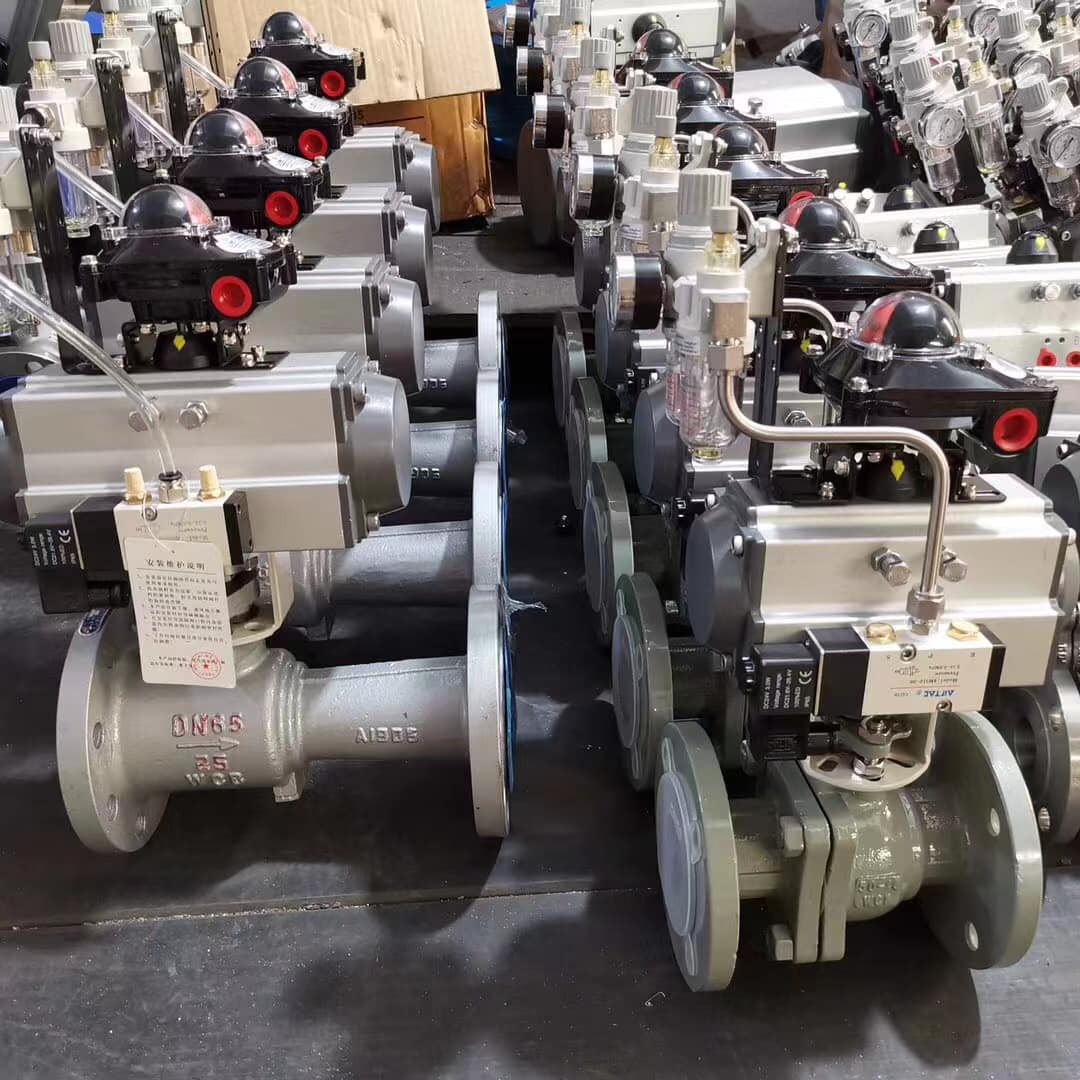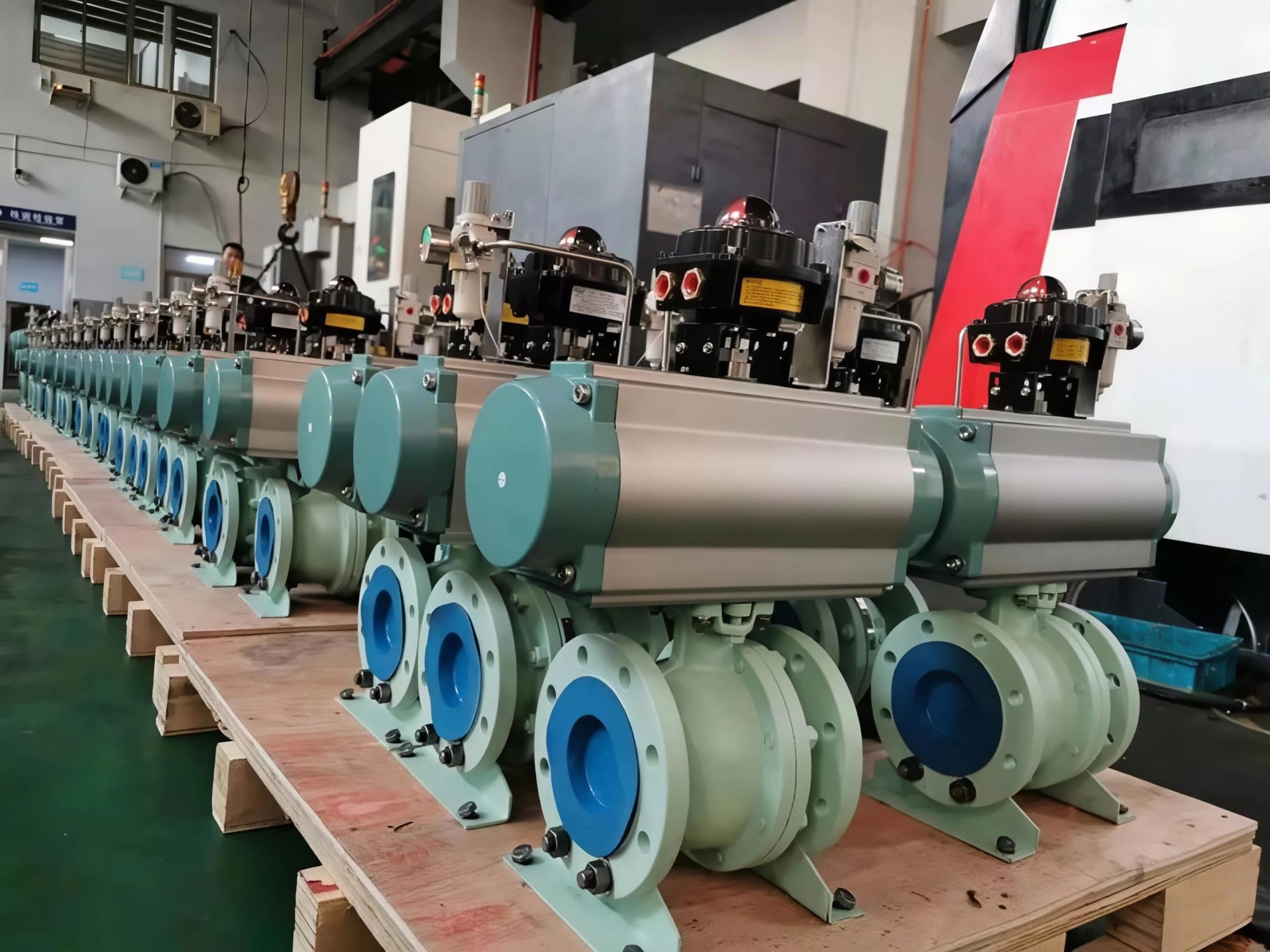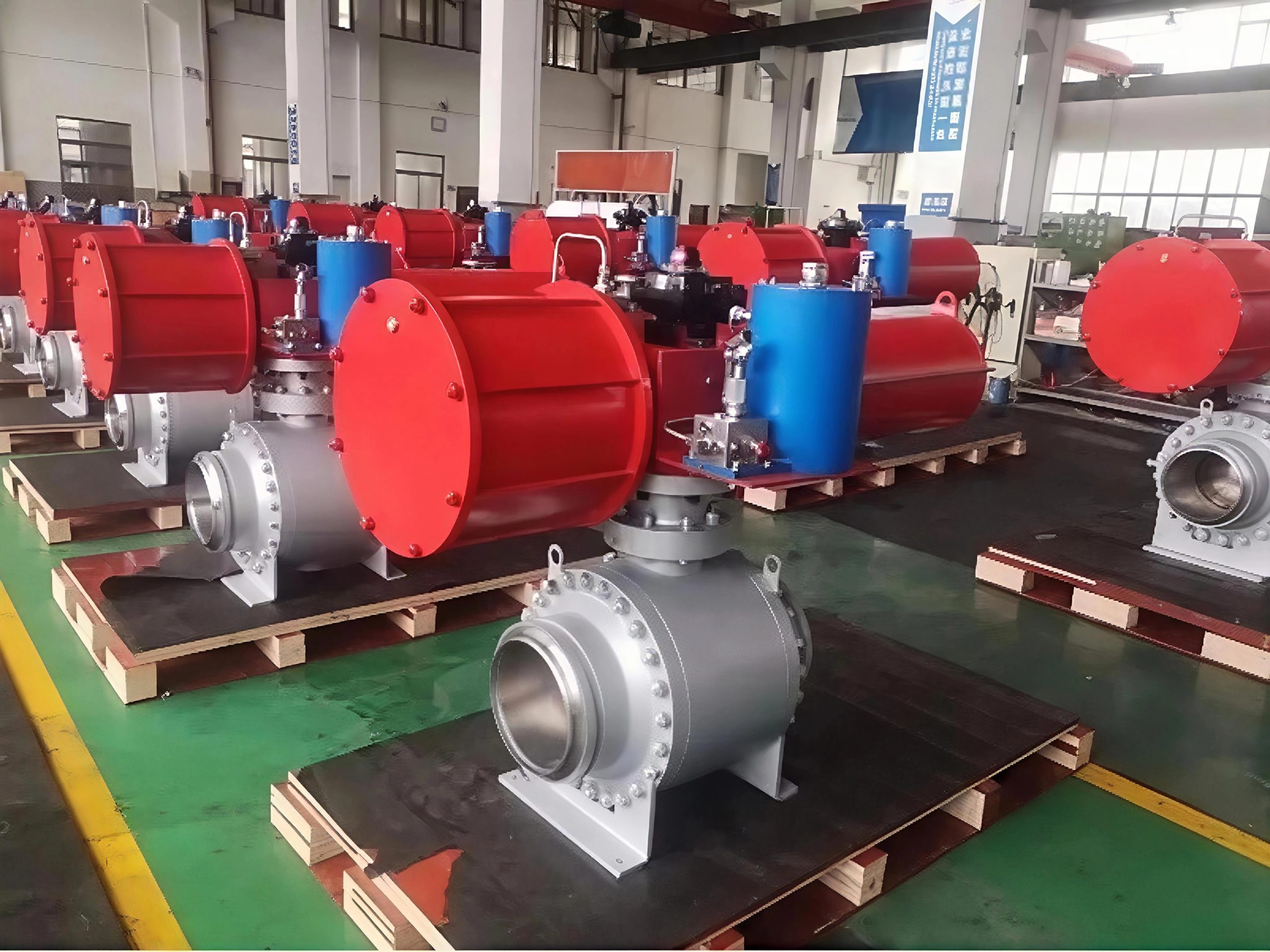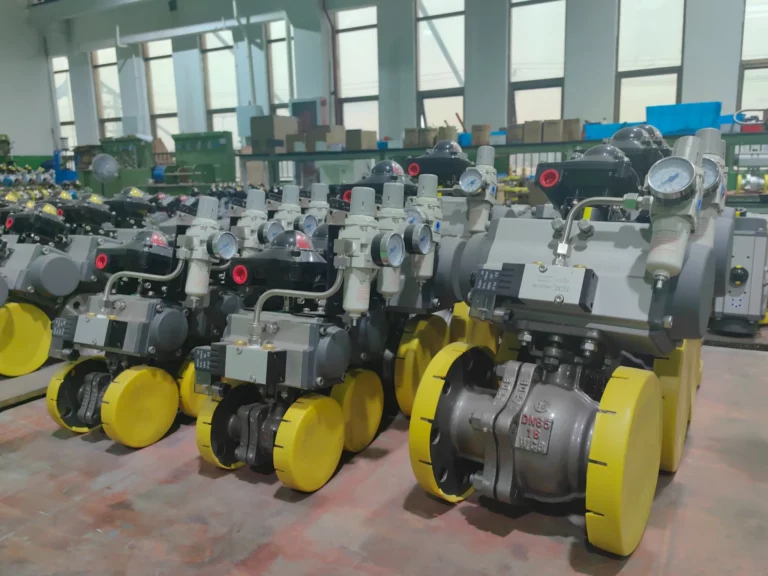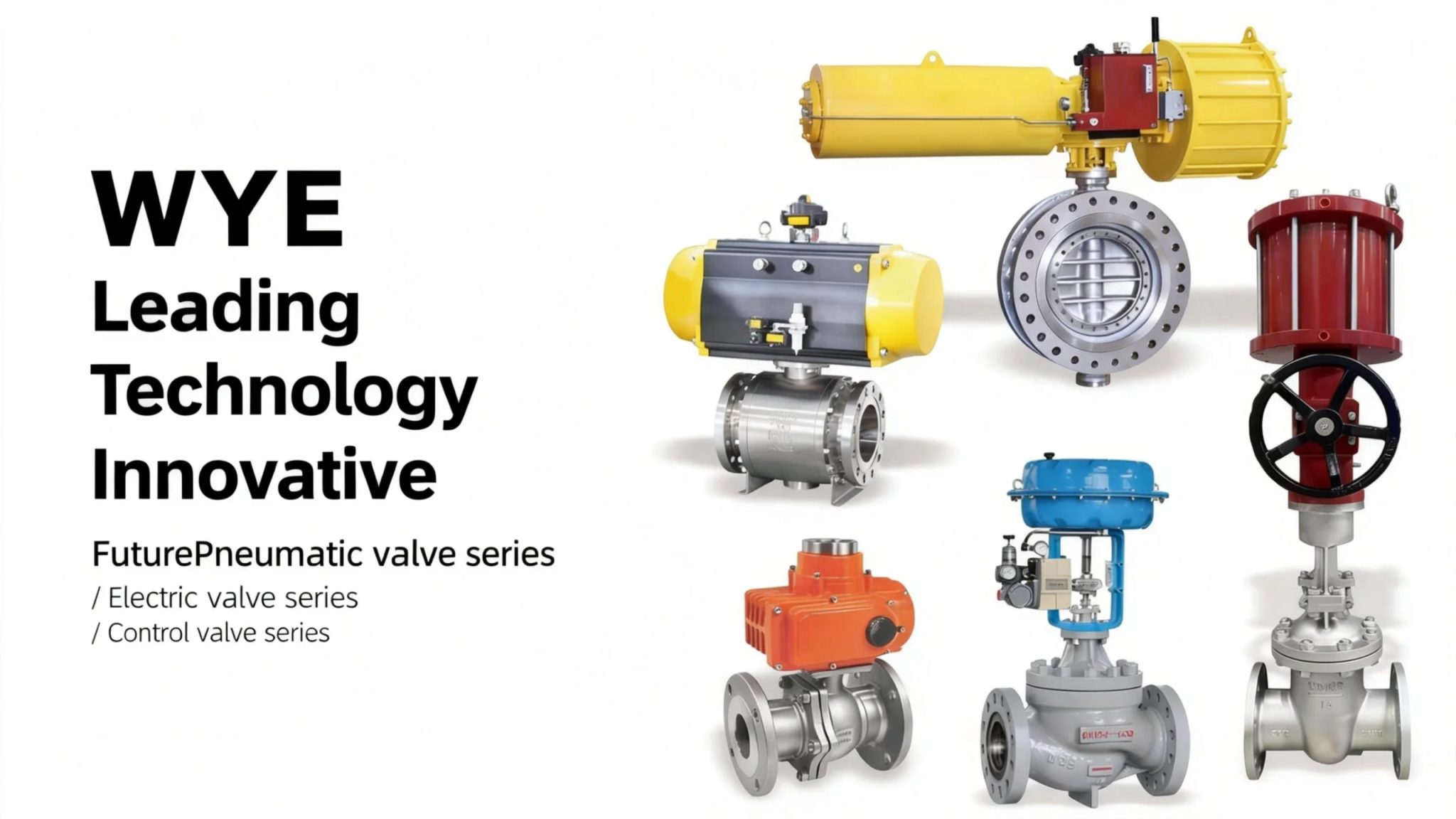
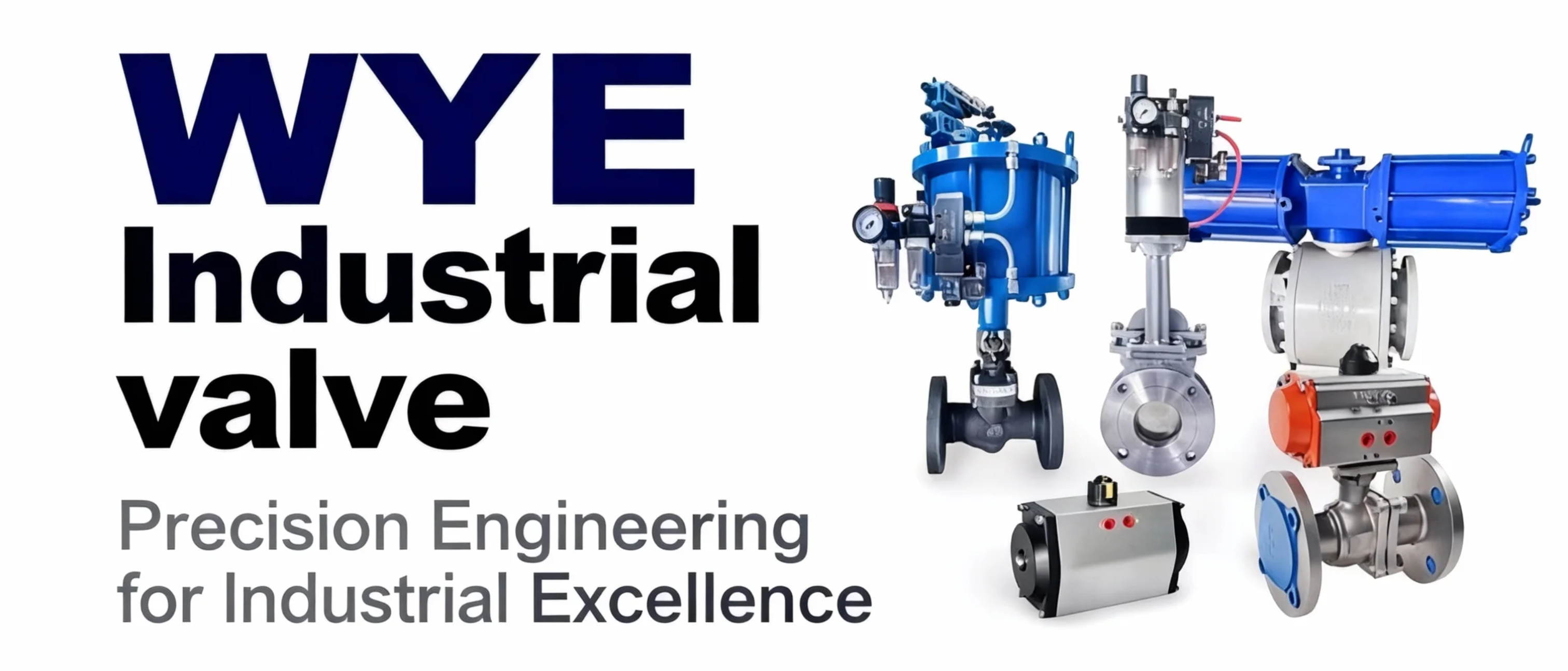
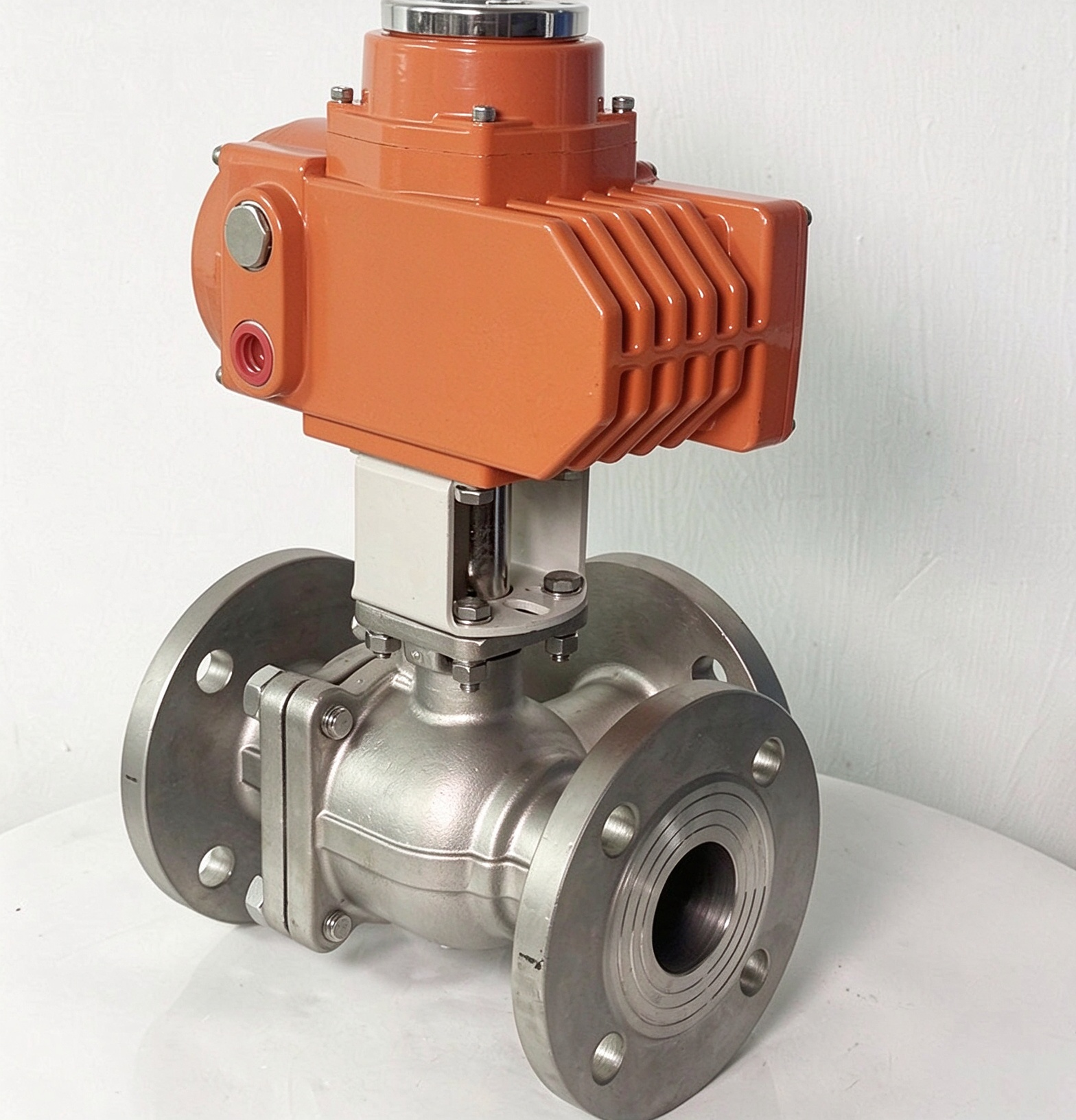
Electric three-way ball valve is a rotary shut-off and regulating valve consisting of an intelligent actuator and a three-way ball valve. Details about its working principle, structural features, types and applications are shown below:
- Working Principle ○ Ball for flow direction switching: The core component is the ball with three passages corresponding to three ports of the valve. The ball rotates around the central axis of the valve body. When it rotates to different positions, medium diversion, confluence or flow direction switching can be realized to control the flow direction of media in pipelines. ○ Driven by electric actuator: The electric actuator receives control signals and converts electric energy into mechanical energy to rotate the ball via the valve stem. It can be switch signals for full opening / full closing, or analog signals such as 4-20mA current signals to precisely adjust the opening degree and control medium flow rate.
- Structural Features ○ Ball and seat: The ball is processed with high precision for high surface finish and tight fit with the seat to achieve reliable sealing. Seats are usually made of wear-resistant and corrosion-resistant materials such as PTFE to adapt to different media and working conditions. ○ Valve stem: The stem connects the ball and actuator to transmit motion. It is made of high-strength metal with good rigidity and corrosion resistance. The bottom is equipped with sealing structures including PTFE self-sealing gaskets and O-rings to prevent medium leakage. ○ Electric actuator: It serves as the power source, mainly composed of a motor, reducer and controller. The motor provides power; the reducer converts high-speed rotation into low-speed torque suitable for valve operation; the controller receives external signals to precisely control the motor for opening, closing and regulation.
- Types ○ By sealing structure: Two-seat three-way ball valve and four-seat three-way ball valve. Two-seat type is compact with good sealing performance for flow direction switching, connecting or closing two perpendicular passages. Four-seat type has a reasonable structure, it can switch flow direction, connect all three passages or close one passage while connecting the other two for flexible diversion and confluence. ○ By operation mode: Single-acting and double-acting. Single-acting: the valve will return to the preset safe state once power supply fails. Double-acting requires bidirectional driving force from power source for opening and closing. ○ By ball core shape: L-type and T-type. L-type for flow direction switching; T-type for flow distribution and confluence of two pipelines.
- Application Fields ○ Petrochemical industry: For transmission, diversion and confluence control of oil products and chemical raw materials, and switching between different production processes. ○ Power industry: Used in pipeline systems for steam, water and oil in power stations to distribute, switch and control media and guarantee stable operation. ○ Metallurgy industry: Control flow direction and flow rate of fluids such as cooling water, coal gas and oxygen in steel and non-ferrous metal production. ○ Pharmaceutical industry: Applied in pipelines for medicinal liquid, steam and compressed air to meet precise control and sanitary requirements. ○ Food & beverage industry: For delivery and control of fluids like milk, fruit juice and syrup to ensure sanitary conditions and stable quality.