
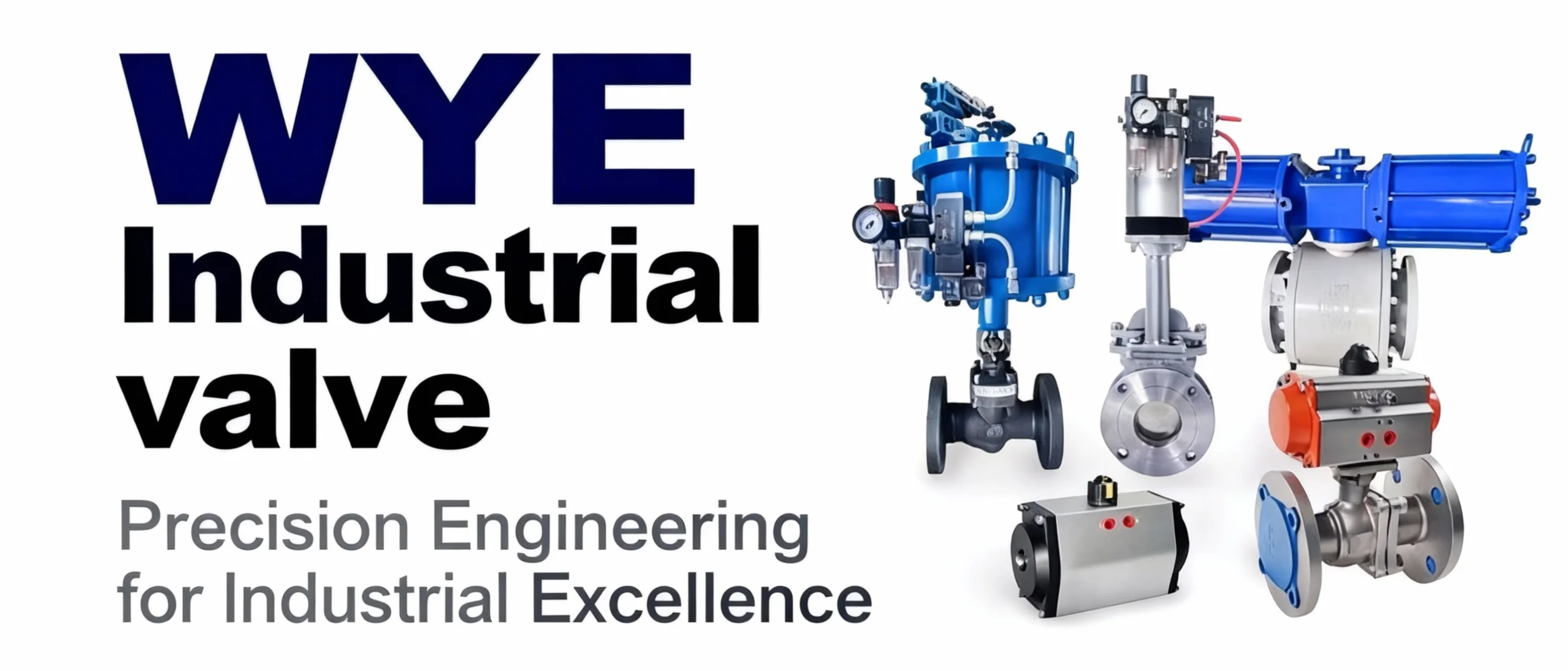
In the complex world of industrial piping and automation, few components are as crucial yet underappreciated as the segment ball valve. While ordinary ball valves and gate valves often steal the spotlight, the segment ball valve quietly delivers unmatched performance in scenarios where precision, durability, and reliability are non-negotiable. Whether you’re in the chemical, oil and gas, water treatment, or power generation industry, understanding the unique benefits of the segment ball valve can transform your system’s efficiency. Let’s dive deep into what makes the segment ball valve a game-changer.
What Sets a Segment Ball Valve Apart?
First, let’s clarify the basics: a segment ball valve (also known as a segmented ball valve) is a type of quarter-turn valve designed for precise flow regulation. Unlike a full-port ball valve, which uses a complete spherical core with a round bore, the segment ball valve features a truncated, segment-shaped core. This seemingly simple design tweak is what gives the segment ball valve its superior performance in critical applications.
When the segment ball valve operates, the segmental core rotates within the valve body, adjusting the flow area between the core and the valve seat. This rotation creates a linear flow characteristic—meaning the flow rate changes proportionally with the core’s rotation angle. This linear relationship is the foundation of the segment ball valve’s exceptional regulation accuracy, a feature that makes it indispensable in processes requiring tight control over pressure and flow.
Key Advantages of the Segment Ball Valve
The segment ball valve isn’t just a “better” valve—it’s a specialized solution tailored to solve common industrial pain points. Here are its most notable advantages:
1. Unrivaled Precision in Flow Regulation
As mentioned earlier, the segment ball valve’s linear flow characteristic is a game-changer. Unlike globe valves, which can suffer from uneven flow adjustment, or full-port ball valves, which are better suited for on-off control than precision regulation, the segment ball valve delivers consistent, repeatable performance. When paired with a high-quality pneumatic or electric actuator and an intelligent positioner, the segment ball valve can achieve flow control accuracy within ±0.5%, making it ideal for chemical reactors, pharmaceutical production lines, and water treatment plants where even minor flow fluctuations can impact product quality or process safety.
2. Exceptional Wear and Corrosion Resistance
Industrial media are often harsh—think abrasive slurries, corrosive chemicals, or high-temperature steam. The segment ball valve is built to withstand these conditions. The segmental core is typically made from hardened stainless steel, ceramic, or alloy materials, which resist scouring and erosion from abrasive particles. Additionally, the valve seat of a segment ball valve is designed to minimize contact with the core during operation, reducing wear over time. For corrosive applications, manufacturers can construct the segment ball valve with 316L stainless steel, Hastelloy, or other corrosion-resistant materials, ensuring the valve maintains performance even in aggressive environments.
3. Superior Sealing Performance
Leakage is a major concern in industrial settings, especially when handling toxic, flammable, or expensive media. The segment ball valve addresses this with a robust sealing design. Most segment ball valves use either a metal-to-metal seal or an elastomeric seal (such as PTFE or FKM). Metal-to-metal sealed segment ball valves excel in high-temperature and high-pressure applications, achieving ANSI Class IV leakage rates. Elastomeric-sealed segment ball valves, on the other hand, can reach ANSI Class VI zero leakage, making them perfect for applications where absolute sealing is critical.
4. Compact Design and Energy Efficiency
The segment ball valve’s compact, quarter-turn design offers several practical benefits. It takes up less space than traditional globe valves or gate valves, making it easier to install in tight piping layouts. Additionally, the segment ball valve’s streamlined flow path minimizes pressure drop, reducing energy consumption. In large-scale industrial systems, this lower pressure drop can translate to significant cost savings over the valve’s lifetime—another reason why the segment ball valve is a favorite among energy-conscious operators.
Where to Use a Segment Ball Valve?
The segment ball valve’s versatility makes it suitable for a wide range of industries and applications. Here are some of the most common use cases:
-
Chemical Industry: Regulating the flow of corrosive chemicals, solvents, and slurries in reaction processes and material transfer lines.
-
Oil and Gas: Controlling the flow of crude oil, natural gas, and refined products in upstream, midstream, and downstream operations.
-
Water Treatment: Adjusting the flow of raw water, treated water, and wastewater in filtration, disinfection, and distribution systems.
-
Power Generation: Managing steam flow in boilers, turbines, and heat exchangers, as well as controlling cooling water flow.
-
Pharmaceutical and Food Processing: Ensuring precise flow control of ingredients and products in sterile, hygienic environments (often using sanitary-grade segment ball valves).
Tips for Choosing the Right Segment Ball Valve
To get the most out of your segment ball valve, follow these key selection tips:
1. Match the Valve to the Medium: For abrasive media (like slurry), choose a segment ball valve with a ceramic or hardened metal core. For corrosive media, opt for corrosion-resistant materials like 316L stainless steel or Hastelloy.
2. Consider Operating Conditions: Check the temperature and pressure of your system. High-temperature applications may require a metal-to-metal sealed segment ball valve, while low-temperature applications can use an elastomeric seal for better leakage control.
3. Select the Right Actuator: For manual operation, a handwheel is sufficient. For automated systems, pair the segment ball valve with a pneumatic or electric actuator. Add an intelligent positioner if precise proportional control is needed.
4. Verify Standards Compliance: Ensure the segment ball valve meets industry standards (such as API, ANSI, or ISO) to guarantee compatibility and performance in your system.
Final Thoughts on the Segment Ball Valve
The segment ball valve may not be the most well-known valve type, but its combination of precision, durability, and versatility makes it an essential component in modern industrial systems. Whether you’re looking to improve flow control accuracy, reduce maintenance costs, or enhance system safety, the segment ball valve delivers results where other valves fall short.
Next time you’re evaluating valves for your industrial process, don’t overlook the segment ball valve. It’s the unsung hero that can take your system’s performance to the next level. Have you used a segment ball valve in your operations? Share your experiences in the comments below!
