
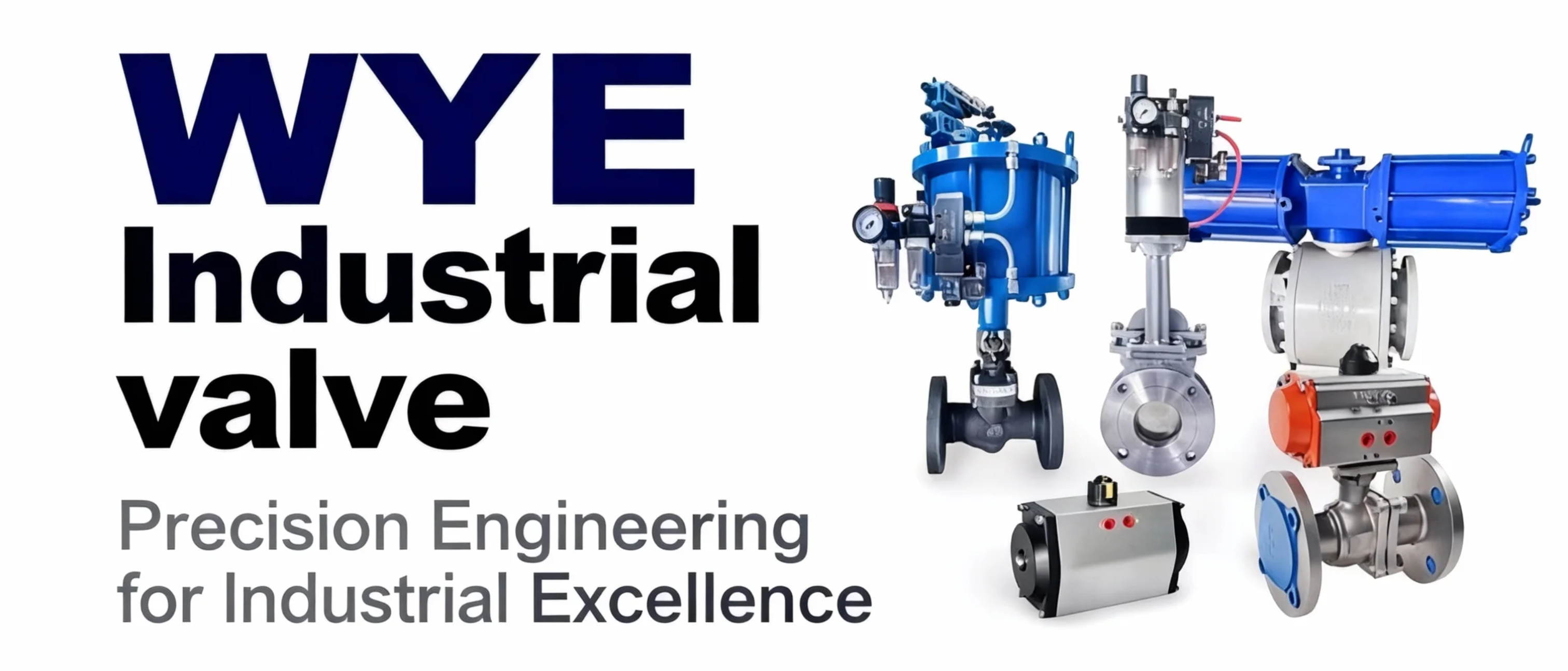
Industrial valve technology continues to evolve as manufacturers place greater emphasis on automation, operational efficiency, and equipment reliability. Across chemical processing, pharmaceutical manufacturing, water treatment, and energy applications, electric and pneumatic control valves are playing an increasingly important role in modern industrial automation systems.
The integration of intelligent valve positioners, remote control capabilities, and condition monitoring technologies is changing how industrial facilities manage fluid flow, pressure, and process safety.
Industrial Automation Is Reshaping Valve Technology
Traditionally, many industrial valves relied on manual operation for flow regulation and pipeline isolation. While manual valves remain important for numerous applications, automated valves provide additional benefits for industrial processes requiring frequent operation, accurate control, or remote access.
Electric actuators allow valves to be operated using electrical control signals, making them suitable for automated pipeline systems and applications where compressed air is unavailable.
Pneumatic actuators use compressed air to provide rapid and reliable valve movement. They are widely applied in industrial process control systems, particularly where fast operation and appropriate fail-safe configurations are required.
With increasing integration between industrial equipment and digital control systems, automated valve assemblies can support more consistent operation and reduce the need for manual intervention.
Intelligent Valve Positioners Improve Process Control
One significant development in valve automation is the increasing use of intelligent valve positioners.
These devices monitor valve position and adjust actuator movement according to control signals, helping maintain accurate flow regulation under changing process conditions.
Modern digital positioners can also provide additional diagnostic information, including valve travel, actuator pressure, friction, and operating performance.
This information can help maintenance personnel identify developing problems before they result in unexpected equipment failures.
For applications requiring precise flow control, intelligent positioners offer an important advantage over basic on/off valve operation.
Predictive Maintenance Becomes an Important Consideration
Industrial facilities are increasingly exploring condition-based maintenance strategies to improve equipment reliability.
Instead of relying entirely on fixed maintenance schedules, condition monitoring systems use operational data to evaluate the performance of valves and actuators.
Depending on the available instrumentation, these systems may help identify abnormal valve friction, pneumatic leakage, actuator performance issues, and changes in valve travel.
Early identification of these conditions allows maintenance teams to plan inspections and repairs more effectively.
For facilities operating large numbers of automated valves, this approach can help reduce unexpected downtime and improve maintenance planning.
Material Selection Remains Essential for Reliable Operation
Although automation technology continues to advance, proper valve material selection remains essential for long-term performance.
Industrial valve bodies are commonly manufactured from materials such as stainless steel, carbon steel, UPVC, and other engineered materials selected according to operating requirements.
In chemical processing applications, corrosion-resistant materials and appropriate sealing components are especially important.
PTFE, EPDM, FKM, and other sealing materials may be selected according to chemical compatibility, operating pressure, and temperature.
Automated control systems cannot compensate for unsuitable valve materials. Correct valve selection therefore remains a fundamental part of safe and reliable industrial operation.
Growing Applications Across Industrial Sectors
Automated valves are used in a wide range of industrial applications.
Chemical Processing
Electric and pneumatic valves support automated fluid transfer, process isolation, and controlled handling of compatible corrosive chemicals.
Pharmaceutical Manufacturing
Automated valve systems assist with process control, liquid handling, and production operations where repeatability and reliable operation are important.
Water and Wastewater Treatment
Electric actuated ball valves and butterfly valves are commonly used for automated flow control and pipeline isolation in water treatment systems.
Energy and Petrochemical Industries
Pneumatic and electric valve assemblies are used in fluid distribution, pressure control, process isolation, and other demanding industrial operations.
Industrial Sampling Systems
Pneumatically operated sampling valves can support remote or automated sample collection, helping reduce direct operator interaction with hazardous process fluids.
What to Consider When Selecting Automated Valves
Choosing a suitable automated valve requires more than selecting an electric or pneumatic actuator.
Important factors include the type of process medium, operating temperature, pressure rating, required valve size, control method, and installation environment.
For electric actuators, power supply requirements, control signals, operating torque, and environmental protection should be considered.
For pneumatic actuators, air supply pressure, actuator sizing, operating speed, and fail-safe requirements are important selection parameters.
Where precise flow regulation is required, intelligent valve positioners and compatible control systems may provide additional functionality.
Careful evaluation of these factors helps ensure that automated valves meet the requirements of the intended application.
Future Outlook for Industrial Valve Automation
Industrial valve development is expected to continue emphasizing digital integration, improved operational visibility, and more efficient maintenance.
Electric and pneumatic actuators will remain important components of industrial automation, while intelligent positioners and diagnostic technologies offer opportunities to improve control accuracy and equipment reliability.
As industrial facilities modernize their process systems, selecting reliable automated valves with suitable materials, actuator configurations, and control capabilities will remain essential.
The combination of durable valve construction and intelligent automation technology can help industrial operators achieve more consistent process performance, safer operation, and improved long-term equipment management.
