
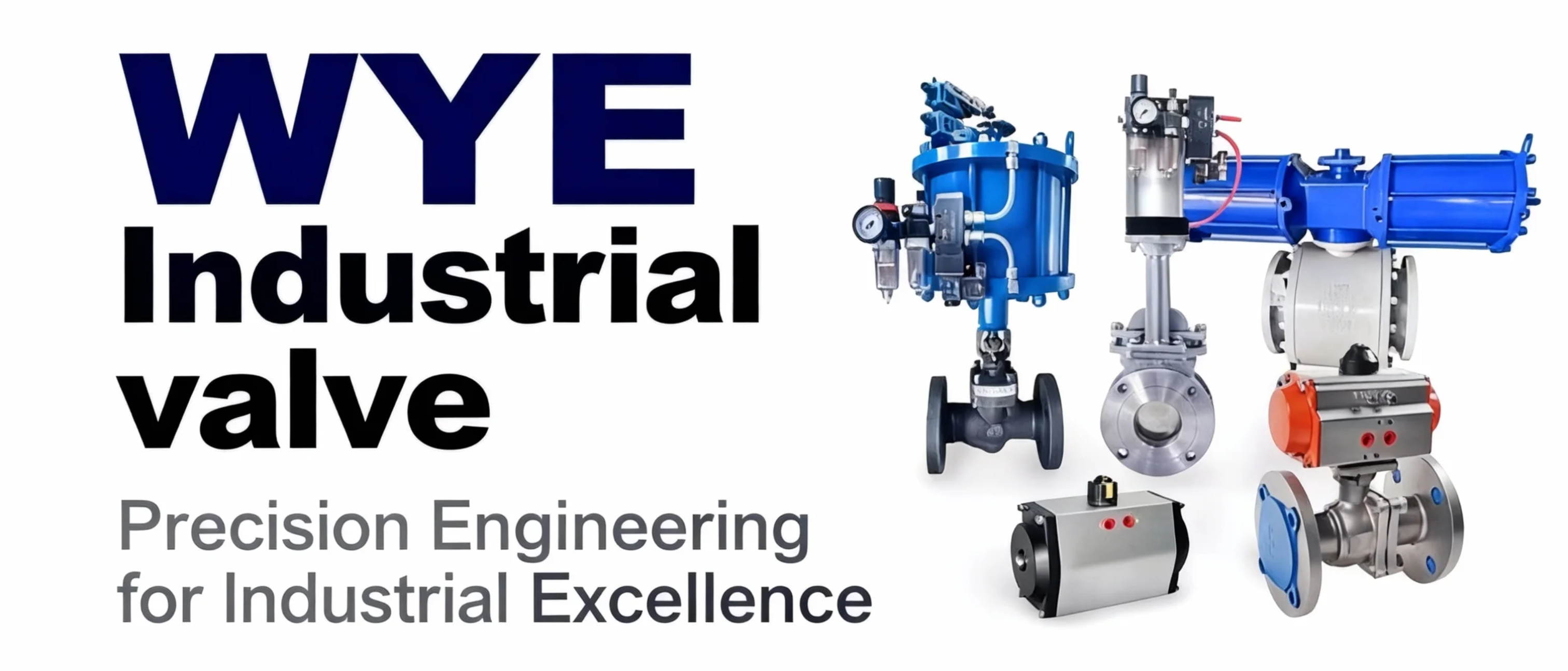
As chemical processing industries continue to prioritize operational safety, equipment reliability, and long-term performance, corrosion-resistant valves remain essential components in industrial fluid control systems.
Chemical production facilities frequently handle aggressive substances such as acids, alkalis, solvents, and other corrosive liquids. These demanding operating conditions require valves with carefully selected materials, reliable sealing structures, and suitable pressure and temperature ratings.
Among the available solutions, PTFE-lined valves, stainless steel valves, and specialized chemical-resistant valve designs provide important options for managing corrosive media in industrial pipelines.
Increasing Attention to Corrosion Protection
Corrosion is one of the major challenges affecting industrial valve performance in chemical processing environments.
When valve components are exposed to incompatible chemicals, corrosion can damage internal surfaces, weaken sealing components, and eventually lead to leakage or equipment failure.
For chemical plants, these problems may result in unplanned maintenance, production interruptions, and increased safety risks.
Selecting appropriate corrosion-resistant valves helps manufacturers reduce these risks and maintain reliable fluid handling operations.
Material compatibility, operating conditions, and valve construction must all be considered during equipment selection.
PTFE-Lined Valves Offer Protection Against Aggressive Chemicals
PTFE-lined valves are widely considered for applications involving corrosive process fluids.
PTFE, or polytetrafluoroethylene, is a fluoropolymer known for its broad chemical resistance and low-friction properties.
By incorporating a PTFE lining inside the valve body, the design reduces direct contact between aggressive chemicals and metallic components.
Depending on the specific operating conditions, fluoropolymer-lined valves may be suitable for handling various acids, alkaline solutions, and chemical solvents.
Common valve configurations include:
- PTFE-Lined Ball Valves
- PTFE-Lined Butterfly Valves
- PTFE-Lined Sampling Valves
- Fluoropolymer-Lined Control Valves
- Corrosion-Resistant Shut-Off Valves
Although PTFE offers excellent chemical resistance, the complete valve assembly must still be evaluated for pressure, temperature, permeation, mechanical wear, and chemical compatibility.
Stainless Steel Valves Continue to Support Industrial Applications
Stainless steel remains an important material in industrial valve manufacturing because of its mechanical strength, durability, and corrosion resistance in suitable environments.
Commonly used materials include 304 and 316L stainless steel.
304 stainless steel is suitable for many general industrial applications, while 316L stainless steel provides improved resistance to certain corrosive environments, particularly those involving chlorides.
However, stainless steel is not universally resistant to all chemicals.
Highly aggressive acids and certain chemical concentrations may require fluoropolymer-lined construction or alternative corrosion-resistant alloys.
Careful material selection helps ensure reliable valve performance throughout the expected operating life.
Sealing Technology Plays an Important Role
In addition to valve body materials, sealing components are critical to overall valve performance.
Common industrial sealing materials include PTFE, FEP, PFA, EPDM, and FKM.
Each material offers different chemical resistance, temperature capabilities, and mechanical characteristics.
Selecting the correct sealing material helps maintain shutoff performance and reduce the risk of external leakage.
For applications involving hazardous chemicals, reliable sealing is especially important for protecting personnel and preventing process fluid release.
Valve manufacturers and industrial users must also consider the effects of pressure fluctuations, thermal cycling, and frequent valve operation.
Chemical Sampling Applications Require Additional Protection
Sampling valves are particularly important in chemical processing systems where operators must regularly collect liquid samples for quality control and laboratory analysis.
Traditional open sampling methods may expose workers to corrosive or volatile fluids.
Enclosed sampling valves provide a safer alternative by transferring process liquids into compatible sampling containers through sealed connections.
For highly corrosive applications, fluoropolymer-lined sampling valves can provide additional chemical protection.
Other available configurations include pneumatic sampling valves, quantitative sampling valves, and spring-return self-closing sampling valves.
These designs support controlled sample collection while helping reduce leakage, contamination, and unnecessary operator exposure.
Important Considerations When Selecting Corrosion-Resistant Valves
Selecting an appropriate corrosion-resistant valve requires evaluation of several operating conditions.
Chemical Compatibility
The valve body, lining, stem, seats, and sealing components must be compatible with the actual process medium and its concentration.
Operating Temperature
Elevated temperatures can affect chemical resistance, material strength, and sealing performance.
Pressure Requirements
The valve must be suitable for the maximum operating pressure and relevant pressure differentials.
Flow Characteristics
Media containing suspended solids, abrasive particles, or crystallizing substances may require specialized valve designs.
Maintenance and Service Life
Accessible components, replaceable seals, and suitable construction can simplify maintenance and support long-term reliability.
Outlook for Corrosion-Resistant Valve Technology
Corrosion-resistant valve technology will continue to play an important role in industrial chemical processing.
As manufacturers seek to improve equipment reliability and operational safety, appropriate material selection and effective sealing solutions remain essential.
Developments in fluoropolymer lining technology, automated valve operation, and enclosed sampling systems offer opportunities to improve the handling of demanding chemical media.
For industrial facilities, selecting valves according to actual process requirements rather than material specifications alone is an important step toward achieving safe, efficient, and reliable fluid control.
Corrosion-resistant valves will remain fundamental components in chemical processing, pharmaceutical manufacturing, wastewater treatment, and other industries handling aggressive fluids.
