
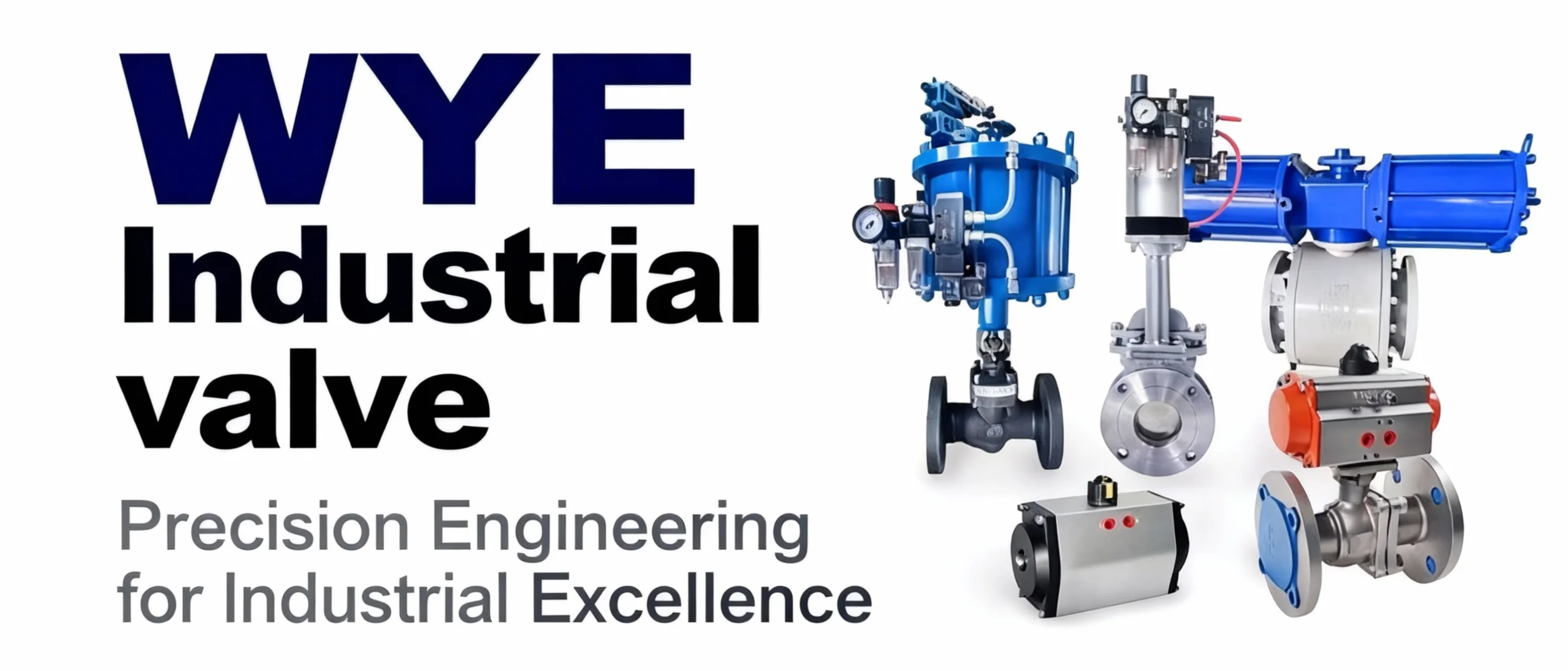
In the realm of industrial automation, few components are as indispensable as the solenoid valve pneumatic. From assembly lines and packaging machines to HVAC systems and medical equipment, this small yet powerful device serves as the critical link between electrical control signals and pneumatic power. But what exactly is a solenoid valve pneumatic, and how does it work? In this blog, we’ll dive deep into the world of solenoid valve pneumatic, exploring its working mechanism, key components, applications, and why it’s the preferred choice for countless industrial operations.
First, let’s clarify the basics: A solenoid valve pneumatic is a type of directional control valve that uses an electromagnetic solenoid to control the flow of compressed air in a pneumatic system. Unlike manual valves that rely on human intervention or mechanical valves driven by external forces, the solenoid valve pneumatic operates automatically once an electrical signal is received. This automation capability makes the solenoid valve pneumatic a cornerstone of modern industrial processes, enabling precise, fast, and consistent control over pneumatic actuators (such as cylinders and motors).
Key Components of a Solenoid Valve Pneumatic
To understand how a solenoid valve pneumatic works, it’s essential to familiarize yourself with its core components. Each part plays a vital role in ensuring the valve operates reliably and efficiently:
-
Solenoid Coil: This is the “engine” of the solenoid valve pneumatic. When an electrical current passes through the coil, it generates a magnetic field. The strength of this magnetic field determines the valve’s ability to actuate, making the coil a critical component for the valve’s performance.
-
Plunger/Core: A movable ferromagnetic component located inside the solenoid coil. When the coil is energized, the magnetic field pulls the plunger toward it, initiating the valve’s opening or closing action. When the coil is de-energized, a spring (see below) returns the plunger to its original position.
-
Spring: Responsible for resetting the plunger (and thus the valve) to its default position when the solenoid coil is de-energized. The spring’s tension can be customized to suit specific application requirements, ensuring consistent performance of the solenoid valve pneumatic.
-
Valve Body: The outer casing that houses the internal components and provides the passageway for compressed air. The body of a solenoid valve pneumatic is typically made from materials like brass, stainless steel, or aluminum, chosen based on the operating environment (e.g., corrosive vs. standard conditions).
-
Seals: These prevent air leakage, which is crucial for maintaining the efficiency of the pneumatic system. Common seal materials include nitrile rubber, Viton, and EPDM, selected based on the temperature and pressure of the application.
How Does a Solenoid Valve Pneumatic Work?
The working principle of a solenoid valve pneumatic is relatively straightforward, yet it’s engineered for precision. Let’s break down the process step by step, using the most common type of solenoid valve pneumatic—the 2/2 (two-way, two-position) valve—as an example:
-
De-Energized State (Default Position): When no electrical current is supplied to the solenoid coil, the spring holds the plunger in place, which in turn keeps the valve either open or closed (depending on the valve’s “normal” position—normally closed (NC) or normally open (NO)). For an NC solenoid valve pneumatic (the most common variant), the plunger blocks the air passage, preventing compressed air from flowing through the valve.
-
Energized State (Actuated Position): When an electrical signal (e.g., 24V DC or 120V AC) is sent to the solenoid coil, the coil generates a magnetic field. This magnetic field overcomes the spring’s tension and pulls the plunger upward (or downward, depending on design). This movement unblocks the air passage, allowing compressed air to flow from the inlet port to the outlet port, powering the connected pneumatic actuator (e.g., extending a cylinder).
-
Resetting to Default: Once the electrical signal is cut off, the solenoid coil de-energizes, and the magnetic field disappears. The spring then pushes the plunger back to its original position, closing (for NC valves) or opening (for NO valves) the air passage. This resets the solenoid valve pneumatic to its default state, stopping the air flow to the actuator.
For more complex applications (e.g., controlling double-acting cylinders), 5/2 (five-way, two-position) solenoid valve pneumatic models are used. These valves have additional ports to control both the extension and retraction of the cylinder, with two solenoid coils (one for each position) ensuring precise control over the actuator’s movement.
Why Choose a Solenoid Valve Pneumatic?
The solenoid valve pneumatic offers numerous advantages that make it ideal for industrial use, setting it apart from other types of control valves:
-
Fast Response Time: The solenoid valve pneumatic actuates in milliseconds, making it perfect for applications that require rapid on/off control (e.g., high-speed packaging lines).
-
High Reliability: With fewer moving parts compared to mechanical valves, the solenoid valve pneumatic has a longer service life and requires minimal maintenance—critical for reducing downtime in industrial operations.
-
Easy Integration with Automation Systems: The solenoid valve pneumatic can be seamlessly connected to PLCs (Programmable Logic Controllers), SCADA systems, or other industrial control systems, enabling fully automated processes.
-
Cost-Effective: Compared to electric or hydraulic control valves, the solenoid valve pneumatic is more affordable to purchase, install, and maintain. Additionally, pneumatic systems (which use compressed air) are often cheaper to operate than hydraulic systems (which require oil).
-
Safe for Hazardous Environments: Pneumatic systems are inherently safe for use in explosive or flammable environments, as they don’t generate sparks (unlike electric motors). Many solenoid valve pneumatic models are also rated for hazardous locations, making them suitable for industries like oil and gas, chemical processing, and mining.
Common Applications of Solenoid Valve Pneumatic
The versatility of the solenoid valve pneumatic means it’s used across a wide range of industries. Here are some of the most common applications:
-
Manufacturing & Assembly: Controlling robotic arms, conveyor belts, and pick-and-place machines to automate production processes.
-
Packaging: Regulating the movement of packaging machinery (e.g., sealing, labeling, and filling equipment) for consistent, high-speed packaging.
-
HVAC Systems: Controlling the flow of air and refrigerant in heating, ventilation, and air conditioning systems to maintain optimal indoor temperatures.
-
Medical Equipment: Powering devices like ventilators, dental drills, and diagnostic equipment, where precision and reliability are life-critical.
-
Automotive Industry: Used in assembly lines for tasks like welding, painting, and component fitting, as well as in vehicle systems like air suspension and braking.
-
Water & Wastewater Treatment: Controlling the flow of water and chemicals in treatment plants, ensuring efficient and compliant processing.
Maintenance Tips for Solenoid Valve Pneumatic
To ensure your solenoid valve pneumatic operates at peak performance for years to come, follow these simple maintenance tips:
-
Keep Compressed Air Clean & Dry: Contaminants (e.g., dust, oil, and moisture) in compressed air can damage the valve’s seals and plunger. Use filters, dryers, and separators to maintain clean air supply.
-
Check for Leaks: Regularly inspect the solenoid valve pneumatic and its connections for air leaks. Leaks not only reduce system efficiency but can also lead to premature valve failure.
-
Inspect the Solenoid Coil: Check the coil for signs of overheating (e.g., discoloration) or damage to the wiring. A faulty coil is one of the most common causes of solenoid valve pneumatic failure.
-
Lubricate Moving Parts (If Needed): Some solenoid valve pneumatic models require periodic lubrication of the plunger and spring. Refer to the manufacturer’s guidelines for the correct lubricant and frequency.
-
Replace Seals Regularly: Seals degrade over time due to pressure, temperature, and wear. Replace them at regular intervals to prevent leaks and maintain valve performance.
Final Thoughts
The solenoid valve pneumatic may be small in size, but its impact on industrial automation is enormous. Its fast response, reliability, cost-effectiveness, and ease of integration make it the go-to choice for controlling pneumatic systems in countless industries. Whether you’re designing a new automation system or maintaining an existing one, understanding how a solenoid valve pneumatic works and how to care for it is essential for maximizing efficiency and minimizing downtime.
If you’re in the market for a solenoid valve pneumatic, be sure to choose a model that’s tailored to your application’s requirements (e.g., pressure rating, port size, and environmental conditions). With the rightsolenoid valve pneumatic, you can unlock the full potential of your pneumatic system and take your industrial operations to the next level.
