
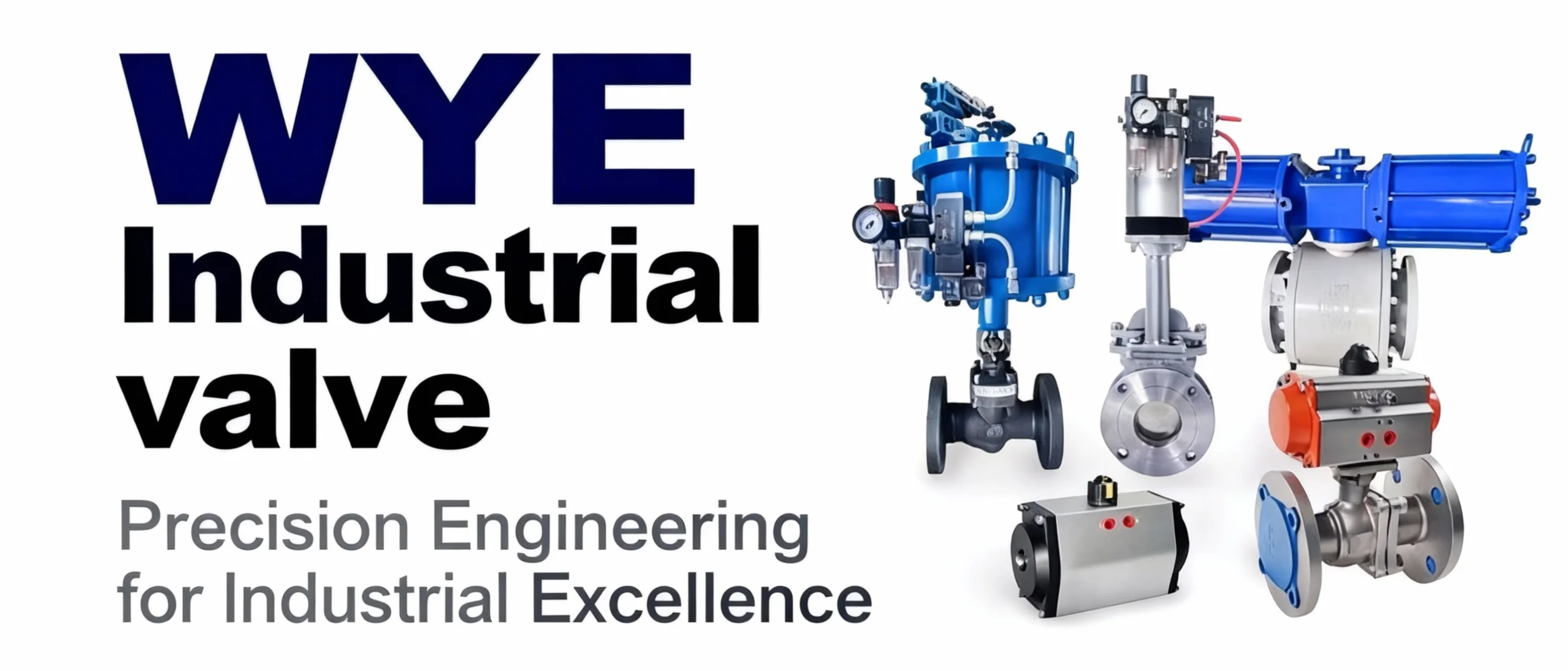
In the complex network of industrial processes, the actuator control valve stands as a non-negotiable component that bridges control systems and fluid handling. Whether it’s regulating the flow of chemicals in a refinery, adjusting pressure in a power plant, or managing temperature in a food processing facility, the actuator control valve is responsible for translating electronic signals into tangible, precise mechanical actions. But what makes theactuator control valve so indispensable? How does it work? And why is it the cornerstone of reliable industrial operations? This blog will unpack everything you need to know about the actuator control valve, with a focus on its functionality, key features, and real-world value.
First, let’s clarify the basics: An actuator control valve is a combination of two core parts—a control valve (which regulates fluid flow, pressure, or temperature) and an actuator (which drives the valve’s opening, closing, or positioning). Unlike manual valves that depend on human intervention, the actuator control valve operates automatically, responding to signals from a controller (such as a PLC or DCS). This automation not only eliminates human error but also ensures consistent performance, making the actuator control valve a must-have for modern industrial setups where precision and efficiency are paramount.
Key Components of an Actuator Control Valve
To fully grasp the functionality of an actuator control valve, it’s essential to understand its core components. Each part works in tandem to ensure the actuator control valve delivers accurate, reliable performance:
-
Actuator: This is the “driving force” of the actuator control valve. It converts energy (pneumatic, electric, or hydraulic) into mechanical motion to adjust the valve’s position. Pneumatic actuators are the most common, using compressed air for cost-effectiveness and safety; electric actuators excel in precision and remote control; hydraulic actuators are ideal for high-torque applications. The type of actuator directly impacts the actuator control valve’s suitability for specific environments.
-
Control Valve Body: The outer casing that houses the valve’s internal components and provides the fluid passageway. The body’s design (e.g., globe, ball, butterfly, or gate) and material (e.g., stainless steel, brass, or carbon steel) are chosen based on the fluid type (corrosive, viscous, or abrasive) and operating conditions (high pressure, high temperature). The body’s design also influences the actuator control valve’s flow capacity and pressure drop.
-
Trim (Plug, Seat, Stem): The internal components that directly regulate fluid flow. The plug (or disk/ball) moves within the seat to adjust the flow opening—controlled by the actuator. The stem connects the actuator to the plug, ensuring smooth, precise movement. The trim’s material and design are critical to the actuator control valve’s durability and leak-tightness.
-
Positioner: An optional but vital component for high-precision applications. The positioner compares the controller’s signal to the actuator control valve’s actual position and adjusts the actuator’s energy input to correct any discrepancies. This ensures the actuator control valve maintains the exact position required, even in harsh industrial environments.
-
Accessories: Items like solenoid valves (for emergency shutdown), limit switches (for position feedback), and air filters (for pneumatic actuators) enhance the actuator control valve’s functionality, safety, and maintainability.
How Does an Actuator Control Valve Work?
The working principle of an actuator control valve revolves around translating control signals into precise flow regulation. Let’s break down the process step by step, using the three most common actuator types to illustrate how the actuator control valve operates in real-world scenarios:
1. Pneumatic Actuator Control Valve
The pneumatic actuator control valve is the most widely used variant in industrial settings. Here’s how it works:
-
A controller (e.g., PLC) sends a 4-20 mA electrical signal to the actuator control valve’s positioner (if equipped) or directly to a solenoid valve.
-
The positioner (or solenoid) adjusts the flow of compressed air to the pneumatic actuator. For single-acting actuators, air pressure drives the valve to one position (e.g., open), while a spring returns it to the default position (e.g., closed) when air pressure is removed.
-
For double-acting actuators, compressed air is directed to either side of the actuator’s piston to open or close the valve—no spring is needed, so the actuator control valve remains in its last position if air pressure fails.
-
The actuator’s mechanical motion (linear or rotational) moves the valve’s plug, adjusting the flow opening to match the controller’s setpoint. The positioner provides feedback to the controller, ensuring the actuator control valve maintains accuracy.
2. Electric Actuator Control Valve
The electric actuator control valve uses an electric motor to drive the valve, making it ideal for applications without a compressed air supply:
-
The controller sends an electrical signal (analog or digital) to the electric actuator of the actuator control valve.
-
The actuator’s motor converts electrical energy into mechanical motion, driving a gear train to amplify torque (critical for large valves).
-
The gear train moves the valve’s stem and plug, adjusting the flow opening. A feedback sensor in the actuator sends position data back to the controller, allowing the actuator control valve to self-correct and maintain precision.
-
When the setpoint is reached, the motor shuts off. Many electric actuator control valve models include a manual override for emergency operation.
3. Hydraulic Actuator Control Valve
The hydraulic actuator control valve is designed for high-torque, heavy-duty applications (e.g., large pipeline valves):
-
The controller sends a signal to a hydraulic valve, which regulates the flow of hydraulic fluid to the actuator.
-
Hydraulic pressure drives a piston or cylinder, generating massive force to move the large valve’s plug or disk.
-
Like pneumatic and electric variants, the hydraulic actuator control valve uses a positioner or feedback sensor to ensure accurate positioning, even under extreme pressure.
Why the Actuator Control Valve Is Essential for Industry
The actuator control valve offers a unique set of advantages that make it irreplaceable in industrial processes. Here’s why it’s the preferred choice for engineers and plant managers:
-
Precision Control: The actuator control valve can regulate flow, pressure, and temperature with unmatched accuracy—critical for processes where even small deviations can ruin products (e.g., pharmaceutical manufacturing) or cause safety hazards (e.g., chemical processing).
-
Reliability: Designed to withstand harsh conditions (high temperature, high pressure, corrosive fluids), the actuator control valve has a long service life with minimal downtime. This reliability reduces maintenance costs and ensures continuous production.
-
Automation Compatibility: The actuator control valve seamlessly integrates with modern automation systems (PLC, DCS, SCADA), enabling remote monitoring and control. This is key to Industry 4.0 initiatives, where smart, connected systems drive efficiency.
-
Safety: Many actuator control valve models include fail-safe features (e.g., spring-return actuators for pneumatic valves) that return the valve to a safe position (open or closed) in case of power or air pressure failure. This prevents accidents and protects personnel and equipment.
-
Versatility: With a wide range of actuator types, valve body designs, and materials, the actuator control valve can be tailored to almost any application—from small-scale food processing to large-scale oil and gas operations.
Common Applications of Actuator Control Valve
The actuator control valve is used across virtually every industry that handles fluids (liquids or gases). Here are some of the most common applications:
-
Oil & Gas: Regulating the flow of crude oil, natural gas, and refined products in pipelines, refineries, and offshore platforms. The actuator control valve must withstand high pressure and corrosive environments here.
-
Power Generation: Controlling steam flow in boilers, adjusting fuel flow in turbines, and managing cooling water systems. The actuator control valve ensures efficient power production and prevents overheating.
-
Pharmaceuticals: Maintaining precise flow and pressure in drug manufacturing processes (e.g., mixing, sterilization). The actuator control valve must meet strict hygiene standards (e.g., FDA compliance).
-
Water & Wastewater Treatment: Regulating the flow of raw water, treated water, and chemicals (e.g., chlorine) in treatment plants. The actuator control valve ensures water quality and efficient treatment.
-
Food & Beverage: Managing temperature and flow in pasteurization, cooling, and filling processes. The actuator control valve is often made from food-grade materials to avoid contamination.
-
Chemical Processing: Controlling the flow of corrosive, toxic, or flammable chemicals. The actuator control valve’s material and fail-safe features are critical for safety here.
Maintenance Tips for Actuator Control Valve
To keep your actuator control valve operating at peak performance, follow these essential maintenance tips:
-
Regular Inspection: Check the actuator control valve for leaks (fluid or air), corrosion, and wear on the stem and seals. Early detection of issues prevents costly repairs.
-
Calibrate Positioners: For precision applications, calibrate the actuator control valve’s positioner regularly (every 6–12 months) to ensure it accurately translates controller signals into valve positions.
-
Clean and Lubricate: Keep the valve’s trim and actuator moving parts clean and lubricated (using manufacturer-recommended lubricants). This reduces friction and extends the actuator control valve’s service life.
-
Check Actuator Energy Supply: For pneumatic actuator control valve, ensure the compressed air supply is clean and dry (use filters and dryers). For electric models, inspect wiring and connections for damage.
-
Replace Wear Parts: Seals, gaskets, and O-rings degrade over time—replace them regularly to maintain leak-tightness and prevent the actuator control valve from failing.
Final Thoughts
The actuator control valve is more than just a component—it’s the lifeline of precise, reliable industrial flow control. Its ability to translate electronic signals into mechanical action, withstand harsh conditions, and integrate with automation systems makes it indispensable for modern industry. Whether you’re operating a small plant or a large-scale refinery, investing in a high-quality actuator control valve (and maintaining it properly) is key to maximizing efficiency, ensuring safety, and reducing downtime.
When selecting an actuator control valve, always consider your application’s unique needs: fluid type, operating pressure/temperature, torque requirements, and automation compatibility. By choosing the right actuator control valve, you can ensure your processes run smoothly, consistently, and safely—now and in the future.
