
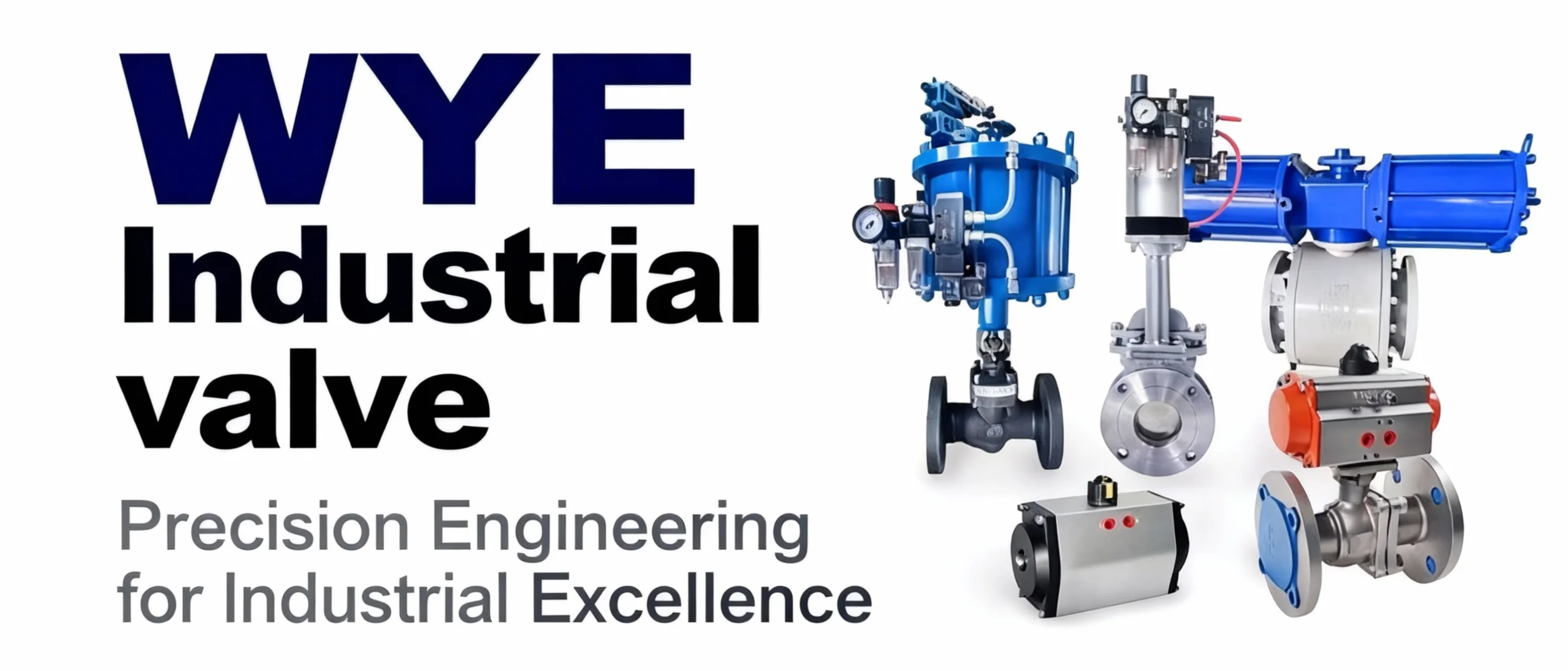
In the landscape of industrial fluid control systems, theair operated valve (also known as a pneumatic valve) stands out as a workhorse, trusted for its reliability, efficiency, and safety. From small-scale manufacturing units to large oil refineries, the air operated valve plays a pivotal role in regulating the flow of liquids, gases, and vapors. But what exactly is an air operated valve? How does it function? And why is it the preferred choice for so many industrial applications? This blog will delve into every aspect of the air operated valve, ensuring the term is front and center as we unpack its core value.
Let’s start with the basics: An air operated valve is a type of control valve that uses compressed air as its primary power source to open, close, or modulate the flow of a fluid. Unlike electric valves that rely on motors or manual valves that need human effort, the air operated valve leverages the energy of compressed air to drive its internal mechanisms. This design not only makes the air operated valve cost-effective but also highly suitable for hazardous environments where electrical components pose a risk of sparks. For industries prioritizing safety and automation, the air operated valve is often the first choice.
Key Components That Power an Air Operated Valve
To understand how an air operated valve works, it’s crucial to familiarize yourself with its core components. Each part is integral to the air operated valve’s performance, ensuring it responds accurately to control signals and operates seamlessly over time:
-
Pneumatic Actuator: This is the “engine” of the air operated valve. It converts the energy of compressed air into mechanical motion (either linear or rotational) to actuate the valve. The two main types of actuators for an air operated valve are single-acting and double-acting, each influencing how the air operated valve behaves in normal and emergency scenarios.
-
Valve Body: The outer casing of the air operated valve that houses the internal flow-control components and provides the passageway for the fluid. The body’s material (stainless steel, brass, carbon steel, or plastic) and design (globe, ball, butterfly, or gate) are selected based on the fluid type (corrosive, viscous, or abrasive) and operating conditions (high pressure, high temperature). The body’s design directly impacts the air operated valve’s flow capacity and pressure drop.
-
Trim (Plug, Seat, Stem): The internal parts of the air operated valve that directly control fluid flow. The plug (or disk/ball) moves within the seat to adjust the size of the flow opening, while the stem connects the actuator to the plug. The trim’s precision and material quality are critical to the air operated valve’s leak-tightness and durability.
-
Positioner: An optional but essential accessory for precision applications. The positioner compares the control signal (from a PLC or DCS) to the actual position of theair operated valve and adjusts the compressed air supply to the actuator. This ensures the air operated valve maintains the exact position required, even in harsh industrial environments with vibration or pressure fluctuations.
-
Solenoid Valve: A component that controls the flow of compressed air to the actuator of the air operated valve. It acts as a switch, opening or closing the air supply in response to electrical signals, enabling remote and automated control of theair operated valve.
How Does an Air Operated Valve Work?
The working principle of an air operated valve is centered on converting compressed air energy into mechanical motion to regulate fluid flow. The process varies slightly depending on the actuator type (single-acting or double-acting), but the core logic remains consistent for all air operated valve models. Let’s break down both scenarios:
1. Single-Acting Air Operated Valve
A single-acting air operated valve uses compressed air for one direction of motion (either opening or closing) and a spring for the return motion. This is the most common design for applications requiring fail-safe functionality:
-
De-Energized State (Default Position): When no compressed air is supplied to the actuator, the internal spring holds the air operated valve in its default position—either normally closed (NC) or normally open (NO). Most single-acting air operated valve models are NC, meaning the valve is closed by default to prevent unintended fluid flow.
-
Energized State (Actuated Position): When a control signal is received, compressed air is directed to the actuator of the air operated valve. The air pressure overcomes the spring’s tension, pushing the plunger or piston to move the stem and plug. This action opens (for NC valves) or closes (for NO valves) the air operated valve, allowing or stopping fluid flow.
-
Reset to Default: When the compressed air supply is cut off (e.g., due to a power outage or system shutdown), the spring pushes the actuator back to its original position, resetting the air operated valve to its default state. This fail-safe feature makes the single-acting air operated valve ideal for applications where safety is a top priority (e.g., chemical processing, oil and gas).
2. Double-Acting Air Operated Valve
A double-acting air operated valve uses compressed air for both directions of motion (opening and closing) and has no internal spring. This design offers faster actuation and higher torque, making it suitable for high-cycle applications:
-
Opening the Valve: Compressed air is directed to one side of the actuator’s piston, pushing it in a direction that opens the air operated valve. Air on the opposite side of the piston is exhausted to the atmosphere.
-
Closing the Valve: To close the air operated valve, compressed air is redirected to the opposite side of the piston, pushing it back to close the valve. Air from the first side is then exhausted.
-
Failure State: If the compressed air supply fails, the double-acting air operated valve remains in its last position (either open or closed). This is why this type of air operated valve is often used in applications where maintaining the last position is acceptable, or where additional safety systems are in place.
Why Choose an Air Operated Valve Over Other Valve Types?
The air operated valve offers a unique set of advantages that make it superior to electric, hydraulic, or manual valves in many industrial settings. Here’s why the air operated valve is a top choice for engineers and plant managers:
-
High Safety: Since the air operated valve uses compressed air instead of electricity, it poses no risk of sparks—critical for hazardous environments with flammable or explosive fluids (e.g., oil refineries, chemical plants). This makes theair operated valve compliant with strict safety standards in high-risk industries.
-
Reliability & Durability: Theair operated valve has fewer moving parts than electric or hydraulic valves, reducing the risk of mechanical failure. It can withstand harsh conditions (high temperature, high pressure, humidity, and dust) without compromising performance, ensuring a long service life.
-
Fast Actuation: Compressed air enables the air operated valve to open and close quickly—much faster than manual valves and even some electric valves. This speed is essential for high-cycle applications (e.g., packaging lines, automated assembly systems).
-
Cost-Effectiveness: Compressed air is a low-cost energy source, and the air operated valve itself is affordable to manufacture, install, and maintain. Compared to hydraulic valves (which require expensive oil and pumps) or electric valves (which need complex wiring and motors), the air operated valve offers better value for money.
-
Easy Automation Integration: The air operated valve can be seamlessly integrated with PLCs, DCS, and other industrial automation systems using solenoid valves and positioners. This enables remote control, monitoring, and adjustment of the air operated valve, aligning with Industry 4.0 initiatives.
Common Applications of Air Operated Valve
The versatility of the air operated valve means it’s used across a wide range of industries. Here are some of the most common applications where the air operated valve is indispensable:
-
Oil & Gas: Regulating the flow of crude oil, natural gas, and refined products in pipelines, refineries, and offshore platforms. The air operated valve’s safety and durability make it ideal for these harsh, high-risk environments.
-
Chemical Processing: Controlling the flow of corrosive, toxic, or reactive chemicals. The air operated valve’s leak-tight design and chemical-resistant materials prevent spills and ensure worker safety.
-
Food & Beverage: Managing the flow of ingredients, water, and cleaning agents in food processing plants. The air operated valve is available in food-grade materials (e.g., stainless steel) to meet hygiene standards.
-
Water & Wastewater Treatment: Regulating the flow of raw water, treated water, and chemicals (e.g., chlorine) in treatment facilities. The air operated valve’s reliability ensures consistent water quality and efficient treatment processes.
-
Manufacturing & Automation: Controlling pneumatic actuators (cylinders, motors) in assembly lines, packaging machines, and robotic systems. The air operated valve’s fast actuation enables precise, high-speed automation.
-
HVAC Systems: Adjusting the flow of air and refrigerant in heating, ventilation, and air conditioning systems. The air operated valve ensures optimal temperature control and energy efficiency.
Maintenance Tips for Air Operated Valve
To keep your air operated valve operating at peak performance, follow these simple yet effective maintenance tips. Proper care will extend the life of your air operated valve and reduce downtime:
-
Keep Compressed Air Clean & Dry: Contaminants (dust, oil, moisture) in compressed air can damage the actuator and seals of the air operated valve. Install filters, dryers, and separators to ensure a clean air supply.
-
Inspect for Leaks: Regularly check the air operated valve and its connections for air or fluid leaks. Leaks not only reduce efficiency but can also lead to premature failure of the air operated valve.
-
Lubricate Moving Parts: Apply manufacturer-recommended lubricant to the actuator’s moving parts (piston, stem) to reduce friction. Avoid over-lubrication, as excess lubricant can contaminate the fluid or clog the valve.
-
Calibrate Positioners: If your air operated valve is equipped with a positioner, calibrate it every 6–12 months to ensure accurate signal translation and valve positioning.
-
Replace Wear Parts: Seals, gaskets, and O-rings degrade over time. Replace these parts regularly to maintain the air operated valve’s leak-tightness and performance.
Final Thoughts on Air Operated Valve
The air operated valve is a cornerstone of industrial fluid control, offering a perfect blend of safety, reliability, speed, and cost-effectiveness. Its ability to operate in harsh environments, integrate with automation systems, and deliver consistent performance makes it irreplaceable in countless applications. Whether you’re designing a new system or upgrading an existing one, the air operated valve is a choice that won’t disappoint.
When selecting an air operated valve, always consider your application’s specific needs: fluid type, operating pressure/temperature, flow rate, and safety requirements. By choosing the right air operated valve and maintaining it properly, you can ensure your processes run smoothly, safely, and efficiently for years to come.
