
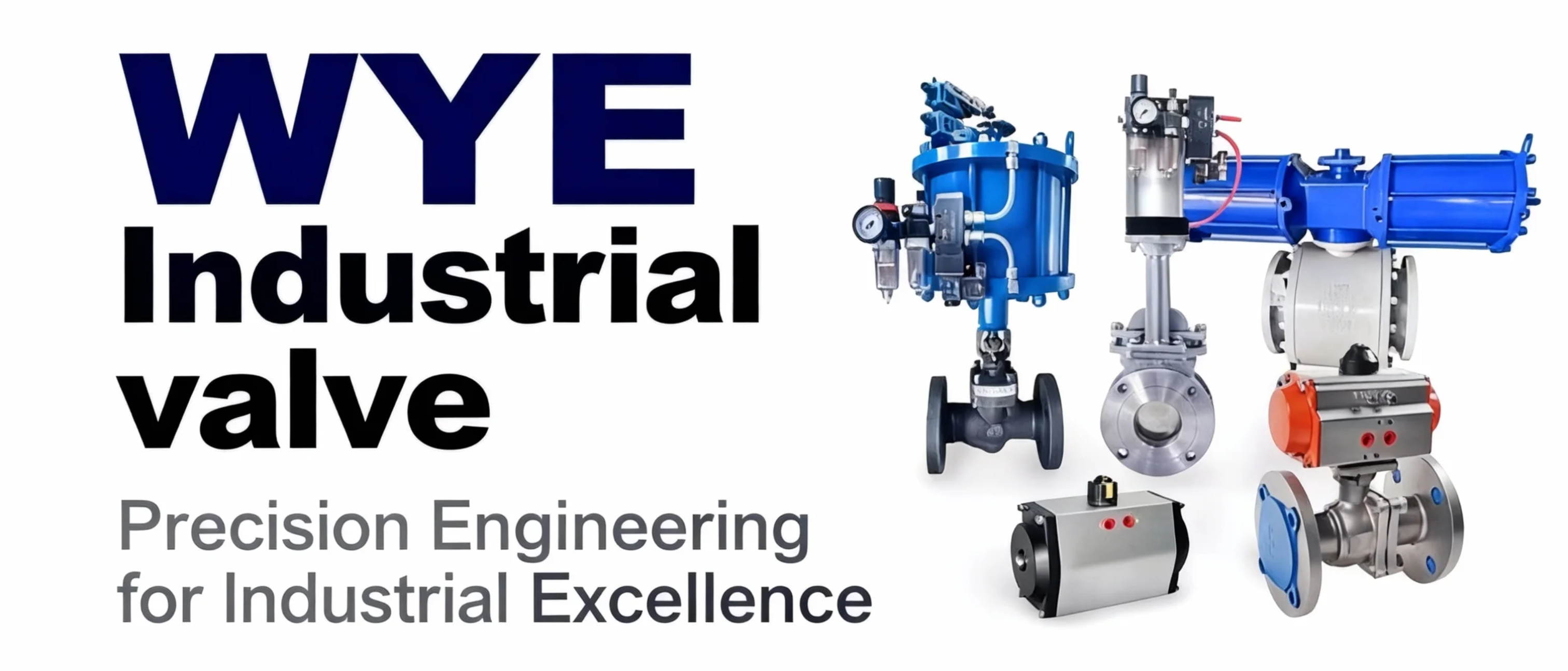
Float valves, also known as float-type sewage separators, automatic shut-off devices, float level limiting valves, and float shut-off valves, use the rising and falling movement of a float to regulate liquid flow.
The valve body is made of 316 stainless steel, providing excellent corrosion resistance and a service life of up to 10 years or longer. Float valves operate based on buoyancy to control initial rainwater discharge and are widely used in municipal engineering, water conservancy, and wastewater treatment applications.
They can replace gate valves and flap valves in pumping stations and initial rainwater collection systems, and can also be used to prevent backflow in rainwater pipelines.
Working Principle
When the liquid level is low, the shut-off valve remains open.
As the liquid level rises, the float moves upward along the guide rail under the action of buoyancy. Through the transmission shaft, the float drives the valve plate downward along the guide rail, closing the shut-off valve.
As the liquid level decreases, the float moves downward along the guide rail under the action of gravity. Through the transmission shaft, the float drives the valve plate upward along the guide rail, opening the shut-off valve.
Main Technical Performance of Float Valves
1. Strength Performance
The strength performance of a valve refers to its ability to withstand the pressure of the medium.
Valves are mechanical components subjected to internal pressure. Therefore, they must have sufficient strength and rigidity to ensure long-term operation without rupture or deformation.
2. Sealing Performance
The sealing performance of a valve refers to the ability of its sealing components to prevent medium leakage. It is one of the most important technical performance indicators of a float valve.
There are three main sealing areas in a valve:
-
The contact surface between the closing component and the valve seat.
-
The contact area between the packing, valve stem, and packing gland.
-
The connection between the valve body and valve cover.
Leakage in the first area is called internal leakage, commonly referred to as improper valve closure. It affects the valve’s ability to shut off the medium effectively.
For shut-off valves, internal leakage is not permitted.
Leakage in the other two areas is called external leakage, where the medium escapes from inside the valve to the surrounding environment.
External leakage can cause material loss, environmental contamination, and, in severe cases, accidents.
For flammable, explosive, toxic, or radioactive media, external leakage is particularly unacceptable. Therefore, valves must provide reliable sealing performance.
3. Flow Performance
When a medium flows through a valve, it experiences pressure loss, which is the pressure difference between the upstream and downstream sides of the valve.
This means the valve creates a certain amount of resistance to the flowing medium, requiring additional energy to overcome it.
From an energy efficiency perspective, valves should be designed and manufactured to minimize flow resistance as much as possible.
4. Operating Performance
1) Operating Sensitivity and Reliability
Operating sensitivity and reliability refer to how quickly and accurately a valve responds to changes in medium parameters.
2) Opening and Closing Force and Torque
Opening and closing force and torque refer to the force or torque required to open or close a valve.
When closing a valve, sufficient force must be applied to create the necessary sealing pressure between the closing component and the valve seat.
At the same time, the operating mechanism must overcome friction between the valve stem and packing, between the valve stem and nut threads, at the valve stem end supports, and at other friction points.
Therefore, a certain closing force and torque are required.
During the opening and closing process, the required force and torque vary, reaching their maximum values at the moment of final closure or initial opening.
Valve design and manufacturing should aim to minimize the required opening and closing force and torque.
3) Opening and Closing Speed
Opening and closing speed refers to the time required for a valve to complete one opening or closing operation.
Generally, float valves do not have strict requirements for opening and closing speed. However, certain operating conditions require specific speeds.
For example, some applications require rapid opening or closing to prevent accidents, while others require slow closing to prevent water hammer.
These factors should be considered when selecting the appropriate valve type.
