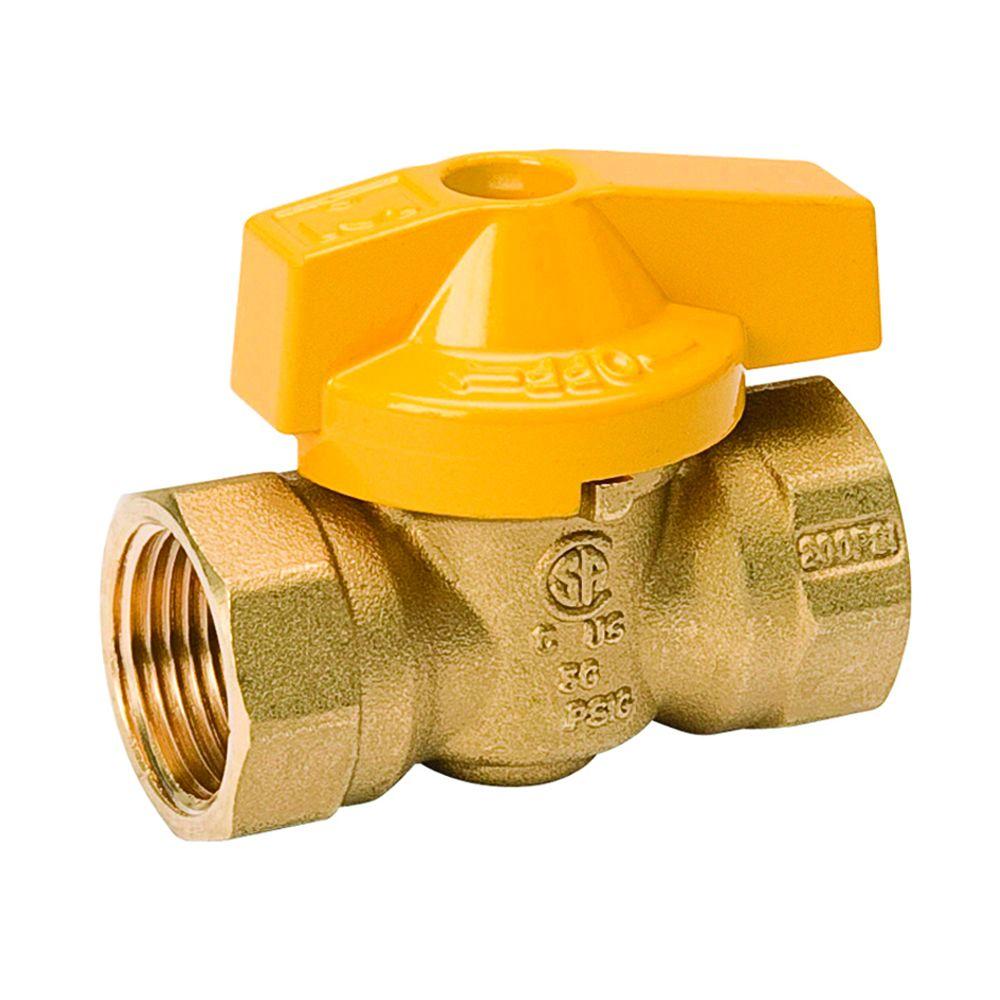
🛠️ What Is a Gas Ball Valve?
⚙️ How Does a Gas Ball Valve Work?
-
Open Position
When the handle is aligned with the pipe, the hole in the spherical ball lines up with the valve’s inlet and outlet. Gas flows unobstructed through the ball, ensuring full flow capacity with minimal pressure drop.
-
Closed Position
Rotating the handle 90 degrees (perpendicular to the pipe) twists the ball so that its solid side blocks the passage. This creates a tight seal against the valve’s seats, stopping gas flow instantly and preventing leaks.
-
Sealing Mechanism
High-quality gas ball valves use resilient seats (often made of PTFE or other durable polymers) that press against the ball, ensuring a hermetic seal even at high pressures. This design not only prevents leaks but also ensures long-term durability, even with frequent use.
🛡️ Key Benefits of Gas Ball Valves
- Fast Shut-Off: The quarter-turn operation allows for immediate isolation of gas flow, which is essential for emergency response and routine maintenance.
- Tight Sealing: Precision-engineered seats and a spherical ball design create a leak-proof seal, reducing the risk of gas leaks and associated hazards.
- Durability: Made from corrosion-resistant materials like brass or stainless steel, gas ball valves withstand harsh conditions and maintain performance over decades.
- Low Maintenance: Their simple design means fewer moving parts, reducing the need for frequent repairs or adjustments.
- Versatility: Suitable for residential, commercial, and industrial applications, from home gas stoves to large-scale manufacturing processes.
🎯 Choosing the Right Gas Ball Valve
- Material: Brass valves are ideal for residential and light commercial use, while stainless steel offers superior corrosion resistance for industrial environments.
- Size: Ensure the valve’s diameter matches your pipeline to avoid flow restrictions or pressure issues.
- Certifications: Look for valves certified by organizations like CSA, UL, or ISO to confirm compliance with safety and performance standards.
- Connection Type: Choose between threaded, soldered, or flanged connections based on your installation requirements.