
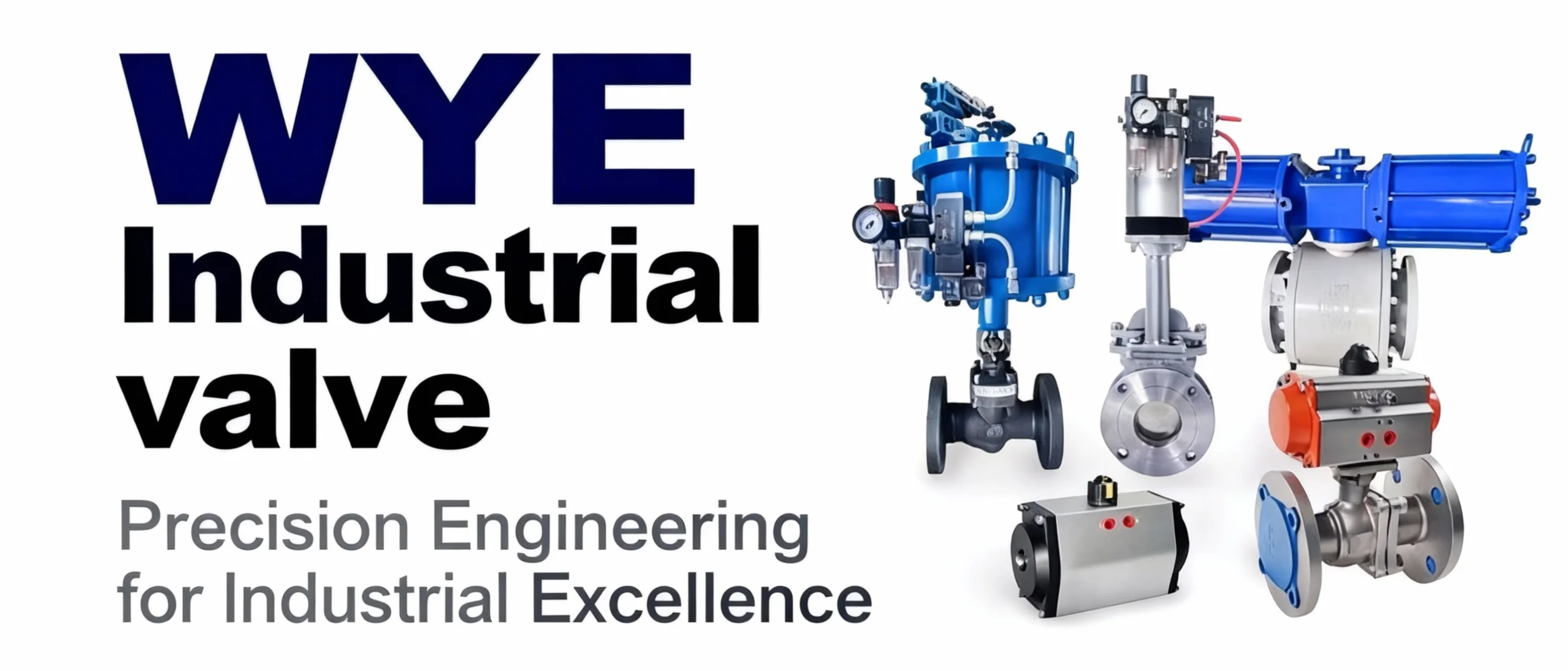
For manufacturers and exporters of industrial valves, getting valve HS codes wrong is more than an administrative slip — it has a direct impact on cost, compliance and delivery timelines. An incorrect classification can lead to customs delays, unexpected duties, penalties or even shipment holds, all of which disrupt supply chains and erode margins. The difficulty lies in the detail: valve classification is shaped by design, materials, function and operating method, so products that appear similar on the surface may be treated very differently by customs authorities. This section breaks down how those technical features influence HS code decisions and explains why a precise, informed approach helps reduce risk, control costs and keep goods moving smoothly across borders.
Understanding the Valves HS Codes Structure
When you’re dealing with import and export of valves, it helps to know how HS codes work and why they matter. HS codes (or Harmonised System codes, often called commodity codes in the UK) are internationally agreed numbers that describe every type of traded product. Customs authorities around the world use them to determine tariffs, duties and regulatory requirements.
What the HS Code Actually Is
An HS code is a structured numerical system developed by the World Customs Organization (WCO). At its core, it’s a six-digit code used globally to identify products in a consistent way. Although the UK and other countries may extend it with extra digits for their own tariff systems, the first six still follow the internationally standardised format.
Here’s how the six digits are organised:
-
First two digits: Chapter – broad product category (e.g. machinery, textiles).
-
Next two digits: Heading – more specific group within that chapter.
-
Last two digits: Subheading – narrows the classification further.
For example, valves fall under Chapter 84, which covers machinery and mechanical appliances, and then under Heading 8481, specifically for taps, cocks, valves and similar devices.
Why This Structure Matters for Valves
Understanding this hierarchy helps you classify valves correctly:
-
Chapter level (first two digits): Valves are grouped with other mechanical components because they’re typically part of machinery or piping systems.
-
Heading level (next two digits): Here the code focuses on the general category of valves and related products.
-
Subheading level (last two digits): This is where classification becomes precise: different types of valves (e.g. check valves, pressure-reducing valves or other specialised valves) and even parts of valves can have distinct codes.
For instance, complete valves will be under subheadings of 8481, whereas parts like stems or seats might fall under 848190.
How to Use the Structure in Practice
-
Start broad, then refine: Always begin by identifying the correct chapter and heading before narrowing to a subheading.
-
Know the details: The valve’s function, materials and design all influence which subheading fits best.
-
Check local extensions: In the UK, commodity codes may have extra digits beyond the six to reflect national tariff requirements.
By understanding how each layer of the HS code narrows down from general category to specific product type, you can ensure your valves are classified correctly. This reduces the risk of customs delays, unexpected duties or compliance issues.
Valve HS Codes Reference Table
The following table provides the global standard 6-digit HS codes for common valve types. Note: The first 6 digits are standardized worldwide by the WCO (World Customs Organization). The digits following them (digits 7-10+) vary by country for specific tariff purposes.
| Valve Type | HS Code (Global 6-Digit) | Description & Key Classification Criteria | Common Examples / Keywords |
|---|---|---|---|
| Pressure Reducing Valves | 8481.10 | Valves primarily designed to reduce inlet pressure to a stable outlet pressure. | Regulators, PRVs, Pressure control valves, Gas regulators |
| Oleohydraulic / Pneumatic Valves | 8481.20 | Valves specifically designed for the transmission of fluid power in hydraulic or pneumatic systems. | Directional control valves, Hydraulic valves, Pneumatic transmission valves |
| Check Valves | 8481.30 | Non-return valves that allow flow in only one direction. | Swing check, Lift check, Wafer check, Non-return valves (NRV) |
| Safety & Relief Valves | 8481.40 | Valves that automatically open at a set pressure to release excess pressure for safety. | Safety valves, Relief valves, Pop-off valves, Pressure safety valves (PSV) |
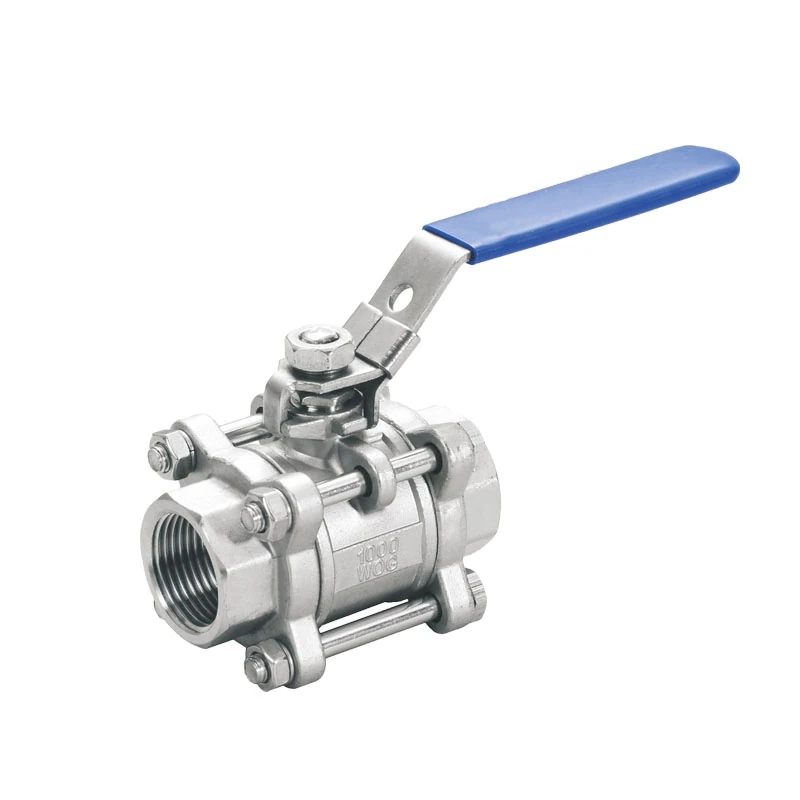
| General Industrial Valves | 8481.80 | The most common category. Covers all other valves not listed above (Ball, Butterfly, Gate, Globe, etc.). | Ball, Butterfly, Gate, Globe, Plug, Diaphragm, Solenoid, & Control valves |
| Valve Parts | 8481.90 | Separate components and parts for repairing or assembling valves. | Valve bodies, Stems, Discs, Seats, Bonnets, Actuators (if imported with valve parts) |
Specific Valve HS Codes Breakdown for “Other Appliances” (8481.80)
Since 8481.80 covers the vast majority of industrial valves, customs agencies often use detailed extensions to differentiate them. Below are common classifications used in major markets (US, EU, China) which may vary slightly by region.
| Valve Sub-Type | Typical Classification | Notes for Exporters |
|---|---|---|
| Ball Valves | 8481.80.81 (EU/US var.) | Often distinguished by material (Brass, Steel, Iron) in the 8th-10th digit. |
| Butterfly Valves | 8481.80.30 / 8481.80.85 | Frequently has its own specific line item in national tariffs due to high volume. |
| Gate & Globe Valves | 8481.80.xx | Usually grouped under “Other hand-operated valves” if not specified. |
| Solenoid Valves | 8481.80.90 / 8481.80.40 | Often categorized as “Other” or specifically as electric/magnetic valves depending on the country. |
| Control Valves | 8481.80.xx | Automated process control valves may fall here or under 8481.20 if pneumatic/hydraulic transmission is the primary function. |
Conclusion
Correctly classifying valve HS codes is not just a compliance task, but a practical business decision that affects costs, clearance speed and long-term trade stability. By understanding how valve design, function and application influence HS code selection, manufacturers and exporters can reduce the risk of misclassification, avoid unnecessary duties and minimise customs delays. A clear, structured approach to HS classification supports smoother international shipments, stronger compliance confidence and more predictable landed costs, helping valve businesses stay competitive in an increasingly regulated global market.
