
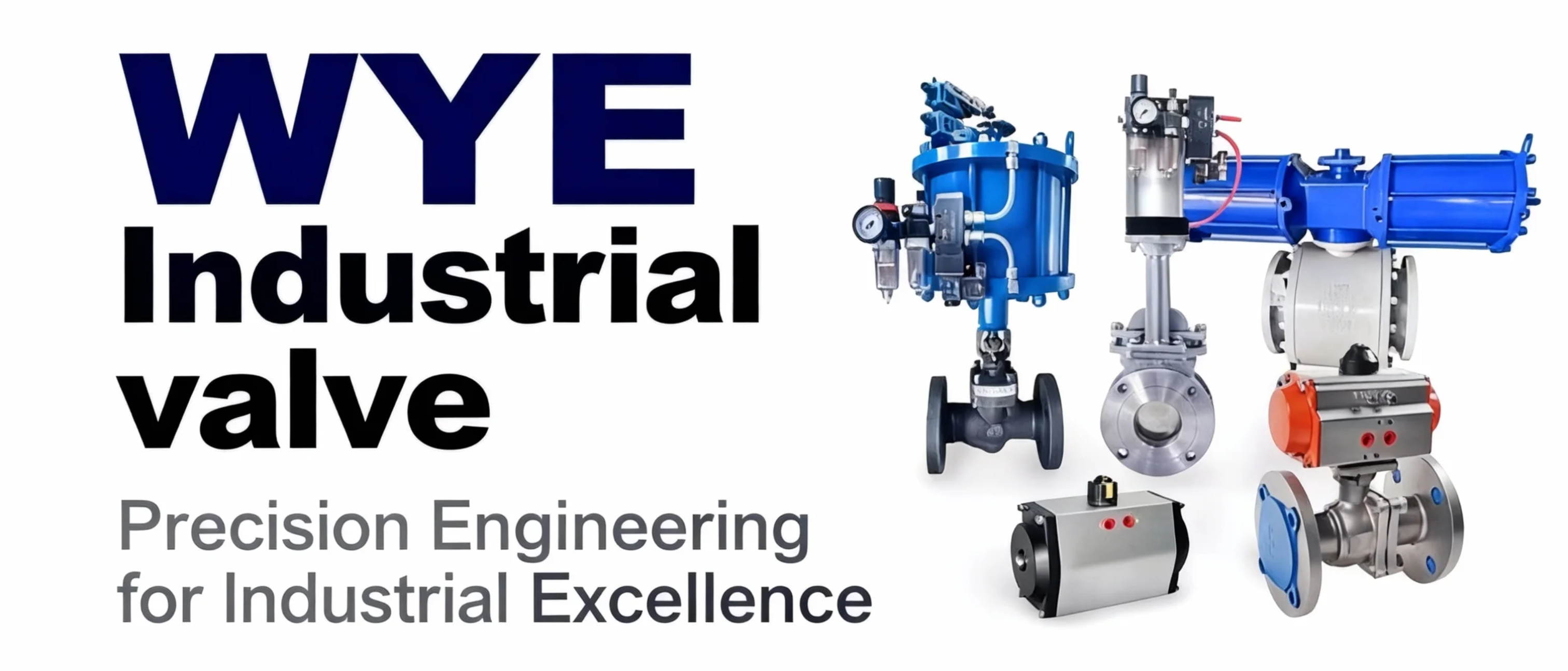
As industrial facilities continue to improve process automation and operational safety, pneumatic valves remain essential components in chemical processing, petrochemical production, pharmaceutical manufacturing, and other demanding industrial applications.
Among the various pneumatic valve configurations, spring return actuators offer an important safety function by allowing valves to move to a predetermined position when the compressed air supply is lost.
This fail-safe capability is particularly valuable in processes involving hazardous chemicals, pressurized pipelines, and equipment requiring controlled isolation during abnormal operating conditions.
The Importance of Fail-Safe Valve Operation
In industrial processing systems, unexpected equipment failures can create significant operational challenges.
A sudden loss of compressed air, electrical power, or control signals may affect automated valve operation. If a valve remains in an unsuitable position, process flow may continue when isolation is required, or an essential supply line may become interrupted.
Fail-safe valve configurations help address these risks.
A spring return pneumatic actuator uses stored mechanical energy to move the valve toward a predetermined position when the actuator’s air pressure is released.
Depending on process requirements, the valve can be configured for fail-closed or fail-open operation.
The correct failure position must be determined through an evaluation of the specific process and its safety requirements.
Spring Return vs. Double-Acting Pneumatic Actuators
Pneumatic actuators are commonly available in two configurations: double-acting and single-acting spring return.
Double-Acting Pneumatic Actuators
Double-acting actuators use compressed air to drive movement in both directions.
They provide reliable opening and closing performance and are commonly used in automated ball valves, butterfly valves, and other industrial flow control equipment.
However, conventional double-acting actuators do not provide an independent spring-driven return function. Their behavior following air supply failure depends on actuator construction, process forces, and control system configuration.
Spring Return Pneumatic Actuators
Spring return actuators use compressed air to move the valve in one direction and mechanical spring force to return it when the air pressure is released.
This design provides a defined failure response when properly selected and configured.
Spring return actuators are especially useful in applications where a valve must automatically open or close following a loss of pneumatic supply.
Applications in Chemical and Petrochemical Processing
Chemical and petrochemical facilities frequently handle flammable, toxic, corrosive, or pressurized process media.
In these environments, valve failure behavior can be an important part of the overall process safety strategy.
Spring return pneumatic valves may be incorporated into chemical transfer lines, reactor systems, process isolation arrangements, and emergency shutdown functions.
For example, a fail-closed valve may be specified where the safe response is to stop the supply of a hazardous fluid.
In other applications, a fail-open configuration may be required to maintain cooling water circulation or another essential process flow.
The appropriate design depends on the consequences of valve movement during an abnormal event.
Pneumatic Sampling Valves Support Safer Operations
Pneumatic actuation is also widely applicable to industrial sampling systems.
Sampling valves allow operators to collect process fluids for laboratory testing, quality control, and production monitoring.
In chemical processing environments, sampling may involve corrosive, volatile, or hazardous liquids that require additional protective measures.
Pneumatically operated closed sampling valves can support remote operation and reduce the need for direct manual interaction with the sampling point.
When combined with suitable sealed sampling connections, protective enclosures, and purge systems, these valves can help reduce potential operator exposure and sample contamination.
Spring return configurations may provide an additional protective function by automatically returning the sampling valve to a specified position following loss of air pressure.
Intelligent Positioners and Valve Monitoring
Modern pneumatic valve assemblies can also incorporate intelligent positioners and monitoring accessories.
Valve positioners regulate actuator air pressure to achieve the valve position requested by a control system.
Depending on the selected equipment, additional diagnostic capabilities may help identify changes in valve movement, friction, operating pressure, and response characteristics.
These capabilities support process monitoring and can assist maintenance personnel in evaluating valve performance.
However, intelligent position monitoring does not replace the mechanical fail-safe function or the need for proper process safety engineering.
Key Factors in Pneumatic Actuator Selection
Selecting an appropriate pneumatic actuator requires consideration of several technical parameters.
Operating Air Pressure
The available compressed air pressure must be sufficient to operate the actuator under the expected process conditions.
Valve Operating Torque
The actuator must provide adequate torque to overcome valve friction, differential pressure, and other mechanical loads.
Required Failure Position
Fail-open, fail-closed, or another specified failure response should be selected according to process safety requirements.
Operating Speed
Valve opening and closing times must be appropriate for the application. Excessively rapid movement may cause pressure surges in certain piping systems.
Environmental Conditions
Temperature, humidity, corrosive atmospheres, and hazardous-area requirements may influence actuator and accessory selection.
Maintenance Requirements
Clean, dry instrument air and regular inspection of seals, springs, and pneumatic connections help maintain reliable actuator performance.
The Role of Pneumatic Valves in Industrial Automation
Pneumatic valves remain an important solution for industrial applications requiring rapid operation, repeatable movement, and compatibility with centralized control systems.
Common applications include:
- Chemical Processing Pipelines
- Petrochemical Production Systems
- Pharmaceutical Manufacturing
- Industrial Reactor Control
- Automated Liquid Sampling
- Water and Wastewater Treatment
- Process Isolation Systems
- Industrial Flow Regulation
When correctly engineered, pneumatic valve assemblies can improve operational consistency and reduce the need for manual intervention.
Future Outlook for Pneumatic Valve Safety
As industrial automation continues to develop, the importance of reliable valve operation and predictable failure behavior remains a central engineering consideration.
Spring return pneumatic actuators provide a mechanical solution for achieving defined valve positions following loss of air supply.
Combined with appropriate valve materials, intelligent monitoring, and properly designed control systems, these actuators can contribute to safer and more reliable industrial processes.
For industrial operators, understanding actuator configurations and failure modes is essential when selecting automated valves for critical applications.
Continued attention to equipment reliability, maintenance, and process safety will remain important in the development and application of pneumatic valve technology.
