
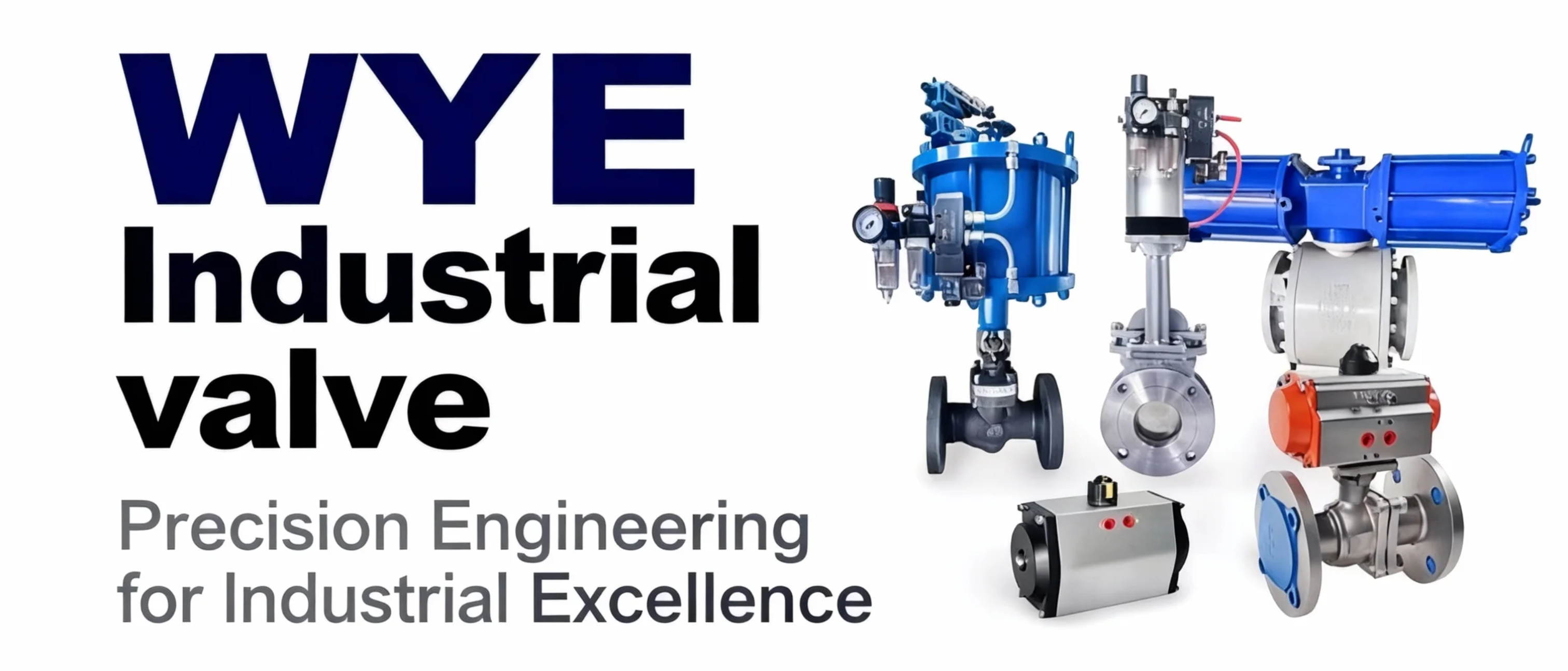
Choosing the right electric needle control valve is essential for achieving accurate flow regulation, maintaining process stability, and ensuring reliable operation in industrial fluid control systems.
Electric needle control valves are widely used in chemical processing, industrial automation, gas distribution, electronics manufacturing, and precision fluid handling applications. However, selecting an appropriate valve requires careful consideration of operating pressure, temperature, flow rate, material compatibility, and actuator performance.
This guide explains the most important factors to consider when selecting an electric needle control valve for industrial applications.
1. Understand the Function of an Electric Needle Control Valve
An electric needle control valve is a motorized flow regulation device designed to provide precise control of liquids, gases, and compatible steam applications.
Unlike traditional manual needle valves, electric models use an actuator to adjust the valve opening automatically.
The electric actuator receives a control signal, typically 4–20 mA or 1–5V, and moves the valve stem to increase or decrease fluid flow.
This makes electric needle valves particularly useful in applications where precise flow adjustment, remote operation, and automated process control are required.
2. Determine the Required Flow Rate
One of the most important considerations when selecting an electric needle control valve is the required flow rate.
Needle valves are commonly used in low-flow applications where fine adjustments are necessary.
The valve’s flow coefficient, commonly expressed as Kv, indicates its flow capacity under specified conditions.
Selecting a valve with an excessively large Kv value may result in poor control accuracy at low flow rates. Conversely, an undersized valve may restrict the required flow.
For applications involving extremely small flow rates, selecting a suitable low-Kv configuration can improve controllability.
When evaluating flow requirements, consider:
- Minimum operating flow rate
- Normal operating flow rate
- Maximum required flow rate
- Available pressure differential
- Fluid density and viscosity
- Required control range
Proper flow sizing helps achieve stable regulation and reliable system performance.
3. Check Operating Pressure Requirements
Operating pressure is another critical factor in valve selection.
Industrial needle control valves are available in different pressure ratings to accommodate various piping systems.
For example, certain electric needle control valve configurations are designed for pressures ranging from 1.6 MPa to 11 MPa.
The selected valve must be rated for the maximum expected pressure under actual operating conditions.
In addition to nominal pressure, engineers should consider the differential pressure across the valve.
Excessive differential pressure may affect actuator sizing, increase valve wear, and reduce control performance.
For high-pressure applications, the valve body, internal components, sealing design, and actuator thrust capacity must be evaluated together.
4. Evaluate Operating Temperature
Temperature directly affects valve material selection, sealing performance, and actuator reliability.
Some electric needle control valves are designed for operating temperatures up to 300°C, depending on construction and configuration.
High-temperature systems require suitable valve body materials, sealing components, and actuator mounting arrangements.
When selecting a valve, determine both normal and maximum operating temperatures.
For applications involving steam or heated industrial fluids, it is particularly important to verify the valve’s pressure-temperature rating.
A valve’s maximum pressure rating may not apply at its maximum rated temperature.
5. Select the Appropriate Valve Body Material
Valve body material plays a major role in corrosion resistance, mechanical durability, and compatibility with process fluids.
Stainless steel is commonly used in electric needle control valves because of its strength and corrosion resistance.
SS304 Stainless Steel
SS304 is suitable for many general industrial applications involving compatible water, gases, and process fluids.
It offers good mechanical strength and corrosion resistance in appropriate operating environments.
SS316 Stainless Steel
SS316 contains molybdenum, which generally improves resistance to certain corrosive environments compared with SS304.
It may be preferred for selected chemical processing applications, depending on fluid composition and service conditions.
Material selection should always consider the chemical properties of the medium, operating temperature, and pressure requirements.
6. Choose the Correct Electric Actuator
The electric actuator determines how accurately and reliably the valve responds to control commands.
Common actuator power supply options include 24V, 220V, and 380V, depending on the equipment configuration.
For modulating control applications, actuators may support analog input signals such as:
4–20 mA Control Signal
A widely used industrial analog control standard that allows continuous valve position adjustment.
1–5V Control Signal
Another analog control option used in compatible automation systems.
When selecting an actuator, consider control signal compatibility, available power supply, required positioning accuracy, operating speed, and output thrust.
The actuator should provide sufficient force to move the valve stem under the maximum expected differential pressure.
For automated production systems, reliable positioning and stable control response are especially important.
7. Consider Valve Connection Types
Electric needle control valves may be available with different connection designs.
Threaded Connections
Threaded connections provide convenient installation in compact piping systems and instrumentation applications.
They are commonly selected where space is limited and the piping design permits their use.
Welded Connections
Welded connections provide a permanent connection suitable for selected industrial piping installations.
They may be preferred where system integrity and reduced potential leakage paths are important.
The appropriate connection type depends on pipeline pressure, temperature, applicable piping standards, and maintenance requirements.
8. Match the Valve to the Application
Different industrial applications have different requirements for valve performance.
Chemical Processing
Chemical manufacturing often requires precise regulation of process fluids.
Electric needle control valves can provide controlled fluid delivery when appropriate corrosion-resistant materials and sealing components are selected.
Industrial Gas Systems
Gas regulation applications may require accurate adjustment of relatively small flow rates.
Suitable electric needle valves can be integrated into automated gas control systems, provided pressure, flow, and gas compatibility requirements are satisfied.
Electronics Manufacturing
Precision manufacturing processes often depend on stable fluid delivery.
Electric needle control valves can help regulate compatible gases and liquids in automated production equipment.
Food Additive Production
Accurate liquid dosing may be important in food additive manufacturing.
Valve materials, surface finish, cleanability, and applicable hygiene requirements should be evaluated before use in food-related systems.
Steam and Heated Fluid Systems
High-temperature valve configurations can be used for compatible steam and heated liquid applications.
Appropriate pressure-temperature ratings and sealing materials are necessary to ensure safe operation.
9. Avoid Common Valve Selection Mistakes
Several common mistakes can affect the performance of industrial electric needle control valves.
Oversizing the Valve
Selecting a valve with an unnecessarily large flow capacity may reduce controllability at low operating flow rates.
Ignoring Pressure Differential
Considering only nominal system pressure without evaluating the pressure drop across the valve may lead to incorrect actuator sizing.
Selecting Incompatible Materials
Using unsuitable valve body or sealing materials can result in premature wear, corrosion, or leakage.
Overlooking Actuator Requirements
The actuator must match the available electrical supply, control signal, and required operating force.
Ignoring Installation Conditions
Available installation space, ambient temperature, accessibility, and pipeline arrangement should be considered before purchasing a valve.
Avoiding these mistakes helps improve valve performance and reduce maintenance requirements.
10. Recommended Technical Specifications
The following specifications illustrate a typical configuration of an electric needle control valve used for precision industrial flow regulation.
| Technical Parameter | Typical Specification |
|---|---|
| Valve Type | Electric Modulating Needle Valve |
| Nominal Diameter | DN8–DN20 |
| Pressure Range | 1.6–11 MPa |
| Maximum Operating Temperature | Up to 300°C |
| Valve Body Material | SS304 Stainless Steel |
| Valve Core | Hard Alloy Overlay |
| Power Supply | 24V / 220V / 380V |
| Control Signal | 4–20 mA or 1–5V |
| Connection Type | Threaded or Welded |
| Suitable Media | Compatible Liquids, Gases, and Steam |
| Operation | Electric Modulating Control |
These values are indicative of a particular product configuration rather than universal specifications for all electric needle control valves.
11. Maintenance and Long-Term Reliability
Correct valve selection should also consider maintenance and long-term operating requirements.
Regular inspection of valve movement, actuator response, electrical connections, and external sealing conditions can help identify potential issues.
For systems containing abrasive or corrosive media, inspection intervals may need to be adjusted according to operating conditions.
Maintenance should be performed only after appropriate isolation, depressurization, and electrical safety procedures have been completed.
Using the correct materials and properly sized components can help reduce premature wear and improve overall equipment reliability.
Conclusion
Selecting the right electric needle control valve requires more than choosing a suitable nominal diameter or pressure rating.
Flow capacity, operating pressure, temperature, fluid compatibility, control signal, actuator performance, and connection type must all be considered.
For precision low-flow applications, a properly selected electric needle control valve can provide stable regulation, automated operation, and reliable performance in demanding industrial environments.
Understanding these selection factors allows engineers and purchasing professionals to make better decisions and choose valves that meet their specific process requirements.
