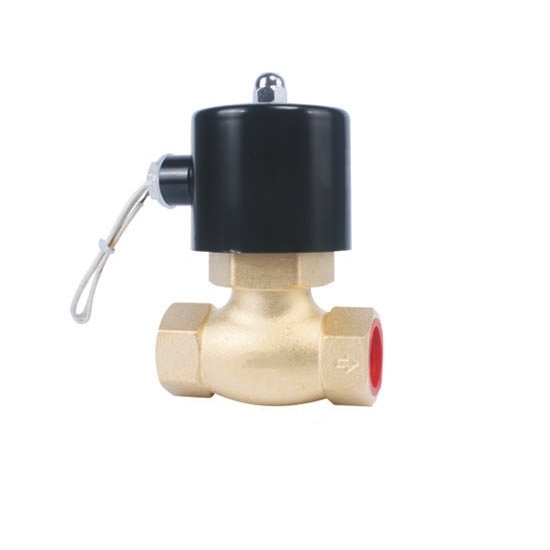
What is Steam Solenoid Valve?
The definition of Steam Solenoid Valve is an electromechanical valve usually used to control the flow of liquid or gas. There are various team Solenoid Valve types, but the main variants are pilot or direct-acting. The most widely used pilot valve uses system line pressure to open and close the main orifice in the valve body.
The direct-acting solenoid valve directly opens or closes the main valve orifice, which is the only flow path in the valve. They are used in systems that require low flow rates or in applications where the valve orifice pressure the difference is low.
How the Steam Solenoid Valve works
The working principle of the Steam Solenoid Valve is to control the flow of liquid or gas through a forward, fully closed, or fully open mode. They are usually used to replace manual valves or for remote control. The function of a solenoid valve involves opening or closing an orifice in the valve body, which can allow or prevent flow through the valve. The plunger opens or closes the orifice by raising or lowering within the sleeve by energizing the coil.
The Steam Solenoid Valve consists of a coil, plunger, and sleeve components. In normally closed valves, the plunger return spring keeps the plunger on the orifice and prevents flow. Once the solenoid coil is energized, the generated magnetic field lifts the plunger to achieve flow. When the solenoid is energized in the normally open valve, the plunger seals the orifice, preventing flow.